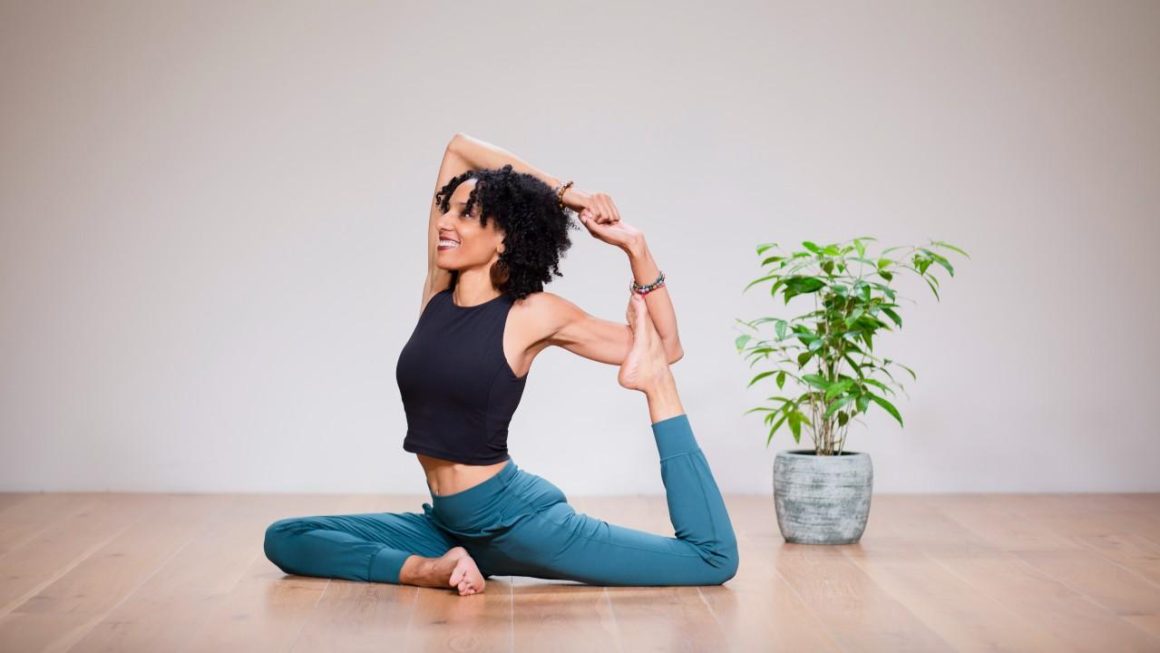
Choosing a yoga class is not always straightforward. Different styles vary in pace, physical intensity, use of props, teaching language, and emphasis on meditation. A yoga free trial gives you an opportunity to explore those differences before paying for a membership or committing to a regular schedule. During your yoga free trial, explore different practices to find a style that suits you.
The goal of a trial is not to find the most challenging class. It is to discover which approach, instructor, and learning environment support your personal needs. With a little planning, you can use the trial period to compare classes thoughtfully and make a more confident decision.
Why try yoga before committing?
A free trial lets you experience more than a class description can communicate. You can assess the teacher’s instructions, the pace of the session, the atmosphere of the studio, or the quality of an online platform. You can also find out whether the available timetable fits your routine.
Use the trial to consider questions such as:
- Does the class match your current fitness and experience level?
- Are the instructions clear enough to follow safely?
- Does the pace feel energising, calming, or unnecessarily rushed?
- Are modifications and rest options offered?
- How does your body feel during class and later that day?
- Can you attend at times that work consistently for you?
Trying more than one session is usually more useful than judging an entire style from a single class. Different teachers can present the same tradition in noticeably different ways.
Compare styles by experience, not just by name
As you sample classes, pay attention to how the practice feels and what it asks of you. Hatha classes often move at a measured pace and may allow time to learn foundational postures. Vinyasa generally links movement with breath in a flowing sequence and may feel more physically demanding.
Yin classes use longer-held, mostly passive postures, while restorative yoga uses supportive props and gentle positions to encourage relaxation. Ashtanga offers a more structured sequence and may appeal to people who enjoy routine and progression. Iyengar places particular emphasis on alignment and may make extensive use of props.
Kundalini classes can combine movement, breathwork, and sound. Heated or Bikram-style sessions take place in a heated room and may feel especially intense. These descriptions are useful starting points, but your own response matters most. A style that sounds suitable on paper may not be the best match once you experience its pace and demands.
What to notice during each trial class
Keep a short note after every session rather than relying on memory. Record the class style, teacher, duration, and how you felt immediately afterward and the next day. This can reveal whether a class leaves you refreshed, overstimulated, pleasantly challenged, or uncomfortable.
Also observe the teaching approach. Helpful instruction may include clear demonstrations, practical alignment cues, breathing guidance, and alternatives for different abilities. You should feel able to pause or modify a posture when needed. If you have an injury, ongoing pain, or a health concern, seek appropriate professional guidance and tell the instructor before class. After exploring a yoga free trial, consider heated Vinyasa classes nearby for a more invigorating practice.
Explore yoga meditation online
Some yoga free trials also include online meditation or sessions that combine gentle movement with guided mindfulness. These offerings can be useful if you want to develop a quieter home practice or add meditation to physical classes.
Try both live and recorded sessions when they are available. Live classes may provide interaction and real-time instruction, while recordings offer flexibility and allow you to repeat a session. Test different formats, including breath awareness, body scans, mantra-based practices, or visualisation, and note which ones are easiest for you to follow.
Create a simple environment for online practice: choose a reasonably quiet space, use headphones or reliable speakers, and reduce avoidable interruptions. Consider whether the video and audio remain clear, whether sessions are easy to locate, and whether descriptions accurately explain the level and purpose of each class.
Evaluate the studio or platform
The delivery of a class can be just as important as the yoga style. In a studio, consider the cleanliness, available equipment, class size, and amount of individual attention. Notice whether the environment feels welcoming and whether staff explain procedures clearly.
For an online service, review the organisation of the class library, search options, video quality, and range of session lengths. Clear labels for style, level, and focus make it easier to build a practical routine.
Before starting the trial, read the terms carefully. Check the length of the free period, the price after it ends, the payment schedule, and the cancellation process. Save any confirmation details so you can make a decision before automatic billing begins.
Decide what fits your routine
At the end of the trial, compare your notes rather than choosing solely on novelty or intensity. The right option is one you can attend regularly, understand comfortably, and enjoy enough to continue. It may be a dynamic class that supports strength and stamina, a slower style that helps you focus, or a combination of movement and online meditation.
A yoga free trial is most valuable when you treat it as a period of informed exploration. Sample several options, pay attention to your physical and mental response, and choose the teacher, format, and schedule that make consistent practice realistic.