Breathing is an accessible way to influence how you feel in moments of stress. When anxiety rises, the breath may become fast, shallow, or heavy, which can increase tension and make it harder to think clearly. Practising a slower, more comfortable breathing pattern can create a pause between the body’s stress response and your next action. Explore mindful yoga practices to complement breathing techniques and support lasting wellness, balance, and mindfulness.
These techniques can be used on their own, during meditation, or as part of a gentle yoga practice. The aim is not to force a deep breath or achieve perfect control. Instead, focus on breathing steadily and comfortably, with particular attention to a relaxed, unhurried exhale.
How slower breathing can support calm
Stress activates the body’s fight-or-flight response. Slowing the breath may help encourage the opposite direction: physical down-regulation and a greater sense of safety. A steady rhythm can ease some of the tension associated with shallow chest breathing and give the mind a simple, present-moment focus.
Breathing is not a substitute for treatment, but it can be a useful self-care skill. Learning a technique during calm periods makes it easier to remember when nervousness, overthinking, or anxiety appears.
Simple breathing techniques to try
Diaphragmatic breathing
Sit or lie in a comfortable position. Place one hand on your upper chest and the other on your abdomen. Breathe in gently through your nose and allow the abdomen to rise naturally. Then breathe out slowly, through your nose or mouth, without pushing the air out. Continue for several breaths, keeping your shoulders and jaw relaxed.
This exercise helps you notice whether you are breathing mainly into the chest. There is no need to make each breath especially large; a quiet, comfortable breath is often more useful than an exaggerated one.
Extended-exhale breathing
Inhale gently for a count of four, then exhale for a count of six. If that feels comfortable, you can gradually lengthen the exhale to eight counts. The numbers are a guide rather than a test. Reduce the count if you feel strained, breathless, or uncomfortable.
An extended exhale can be especially helpful when you feel keyed up. It gives your attention something steady to follow while encouraging a slower overall rhythm.
Counted breathing
Choose an easy pattern, such as inhaling for four counts and exhaling for four. Repeat it for one to three minutes. If holding the breath feels comfortable, some people use a four-count inhale, a brief four-count pause, and a longer exhale. However, breath-holding is not essential; leave it out if it creates tension or discomfort. Pair these breathing techniques with restful yoga positions to deepen relaxation after practice.
Breathing during panic or acute anxiety
During a panic episode, trying to take very large breaths can sometimes increase discomfort. Instead, aim for a gentle, measured breath. Let the inhale remain easy and make the exhale slightly longer, such as inhaling for four counts and exhaling for six. Keep your attention on the physical sensations of breathing rather than trying to force the anxiety to disappear immediately.
A simple phrase can provide an additional anchor: “Breathing in, I am here; breathing out, I am softening.” You might also notice your feet on the floor, the support of a chair, or a few objects in the room. These grounding cues can help shift attention away from spiralling thoughts.
If a breathing exercise causes dizziness, air hunger, or increasing panic, stop counting and return to normal breathing. Sit somewhere safe and allow your body to settle. Frequent panic attacks, severe anxiety, or breathing symptoms that are new or concerning deserve support from a qualified health professional.
Using breath in mindfulness and yoga
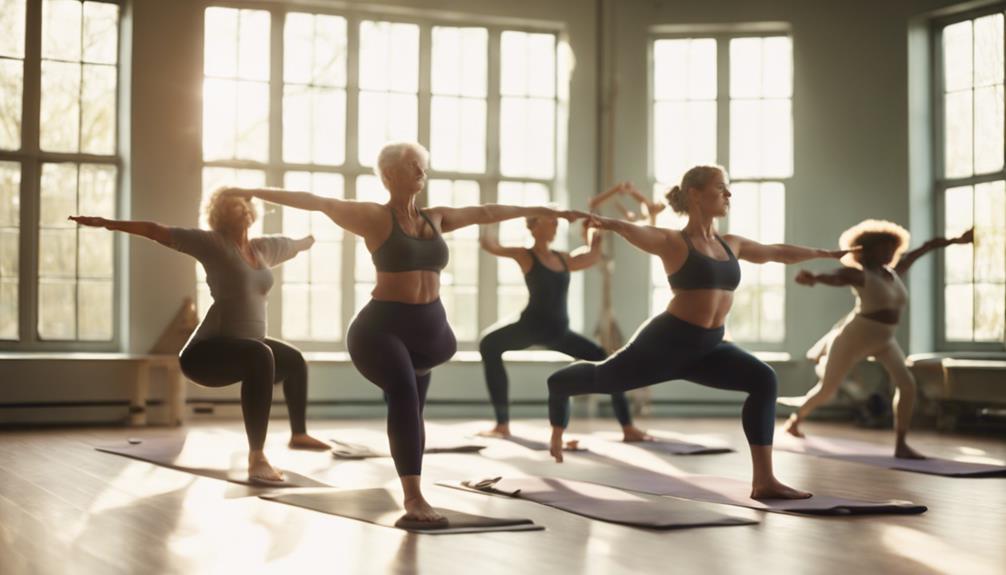
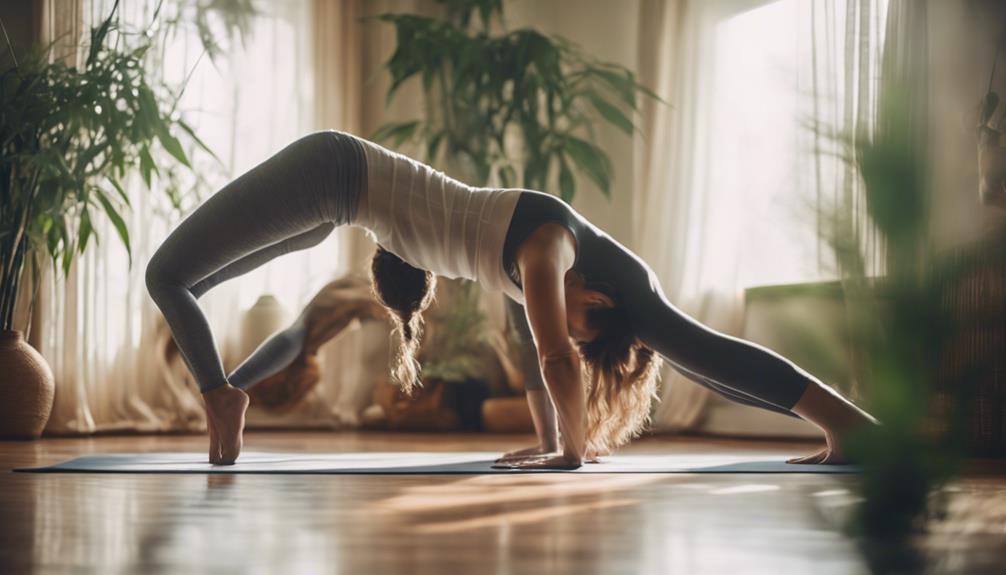
Breath awareness fits naturally into a mindful yoga routine. Begin with two or three minutes of comfortable breathing before movement. During gentle poses, let the inhale and exhale guide the pace rather than trying to stretch further. If a posture creates strain, return to an ordinary breath and reduce the intensity.
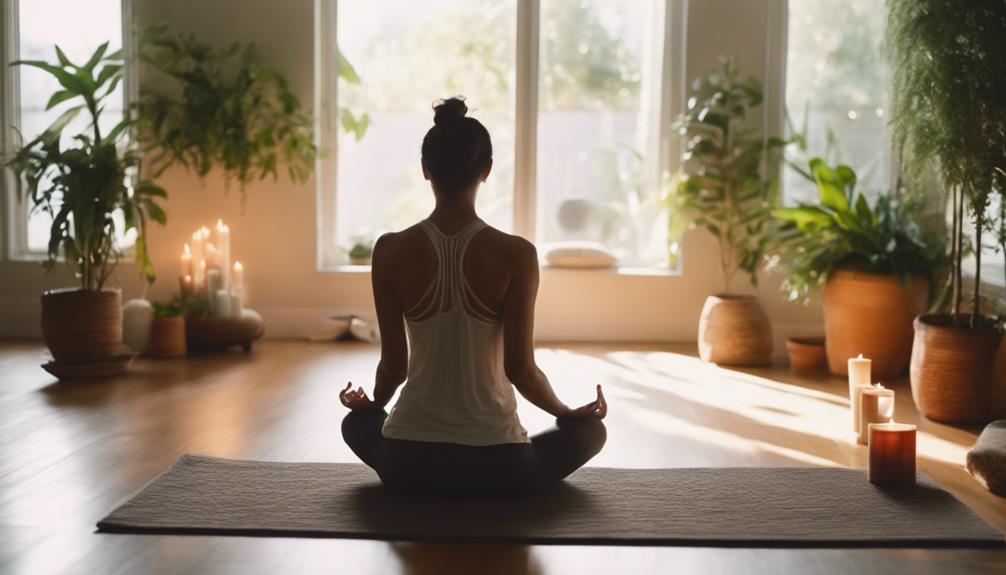
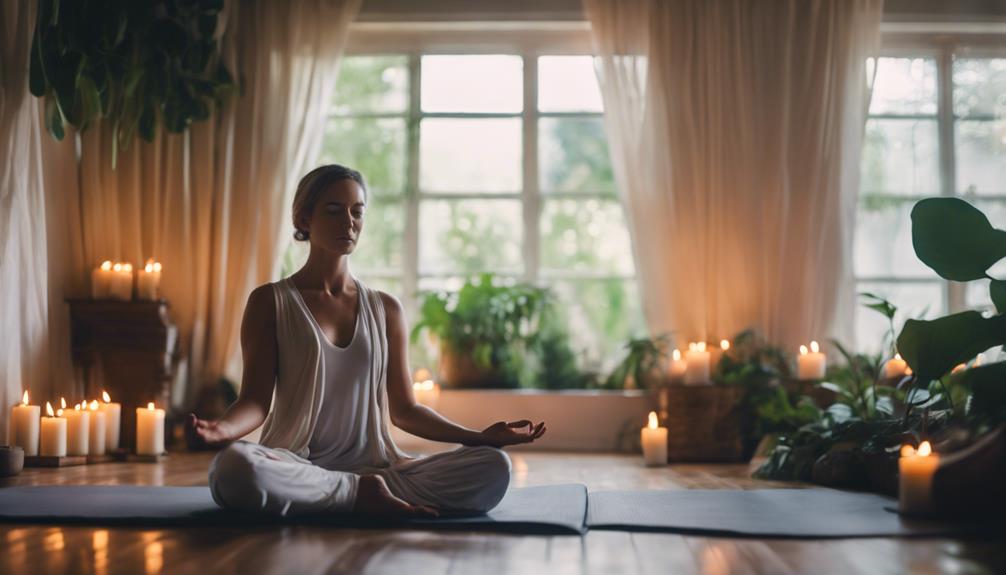
Restorative positions, seated meditation, and a quiet closing period can provide opportunities to practise a slower exhale. You can also use one familiar pattern at the start of a session, revisit it when tension appears, and finish by observing the breath without changing it.
Building a regular calming practice
Start with a short routine that feels realistic. For example:
- Spend one minute noticing your natural breath.
- Practise diaphragmatic breathing for two minutes.
- Use an extended exhale for another minute if it remains comfortable.
- Finish by noticing how your body and mind feel without judging the result.
Regular, gentle practice is more useful than occasional forceful sessions. Choose one or two techniques, practise them when you are relatively calm, and use them as an invitation to pause when stress begins to build. Over time, this can strengthen your ability to respond to nervousness and overstimulation with greater awareness and less reactivity.