Improving flexibility through yoga is less about forcing your body into advanced positions and more about practicing regularly, breathing steadily, and working within a comfortable range of motion. The following beginner-friendly poses can help you explore your hips, hamstrings, spine, shoulders, and back without requiring prior yoga experience.
Move slowly and treat each pose as an opportunity to notice how your body feels. A mild stretching sensation can be expected, but sharp pain, numbness, or pinching is a reason to stop and adjust.
How to Practise Safely
- Warm up with a few minutes of easy movement, such as walking in place or gentle shoulder rolls.
- Keep your breathing smooth rather than holding your breath.
- Use a folded blanket, cushion, block, or strap to make positions more comfortable.
- Stay within a manageable range; flexibility develops gradually.
- If you have an injury, significant pain, or a medical condition, seek appropriate professional guidance before starting.
Beginner Yoga Poses for Flexibility
Cat-Cow Stretch
Start on your hands and knees with your wrists beneath your shoulders and knees beneath your hips. As you inhale, gently lift your chest and tailbone while allowing your abdomen to lower. As you exhale, round your spine and let your head relax slightly. Continue slowly for several cycles, moving with your breath. This is a useful way to introduce movement to the spine before longer stretches.
Child’s Pose
From hands and knees, bring your hips toward your heels and lower your torso toward the floor. Extend your arms forward or rest them beside your legs. If your hips do not comfortably reach your heels, place a cushion beneath them or widen your knees. Let your forehead rest on a folded blanket if needed, and take several relaxed breaths.
Downward-Facing Dog
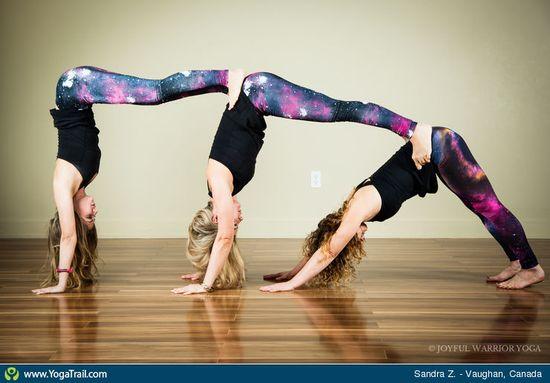
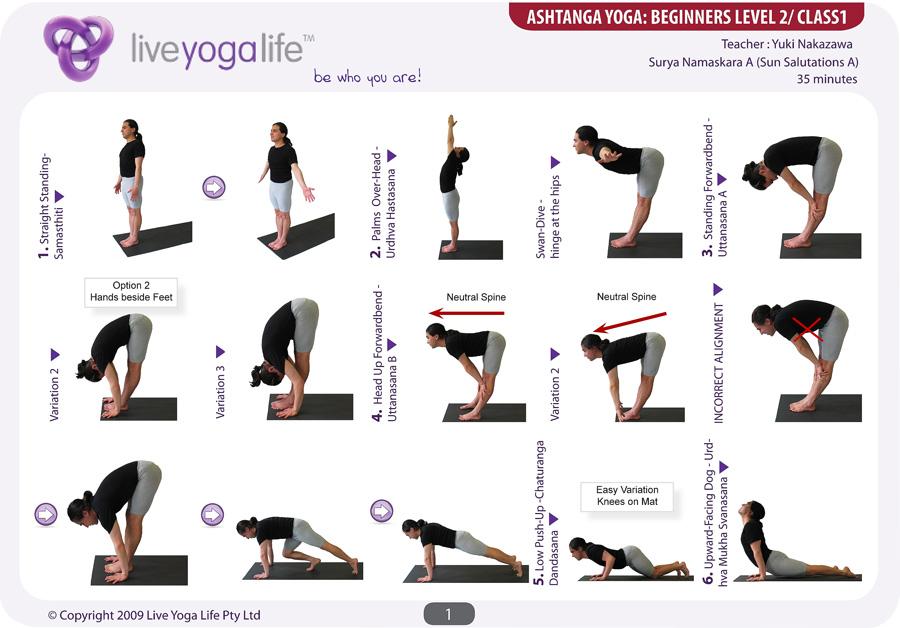
From hands and knees, tuck your toes and lift your hips up and back. Keep your knees bent if that allows you to lengthen your back more comfortably. Your heels do not need to touch the floor. Press through your hands, keep your neck relaxed, and avoid trying to create a perfectly straight line. This pose can gently involve the shoulders, back, calves, and backs of the thighs.
Standing Forward Fold
Stand with your feet about hip-width apart. Bend your knees and fold forward from your hips, allowing your upper body to hang toward the floor. Rest your hands on your thighs, shins, or a pair of blocks. Keep the knees as bent as necessary and let your head relax. To come out, bend your knees and rise slowly rather than pulling yourself upward.
Butterfly Pose
Sit on the floor and bring the soles of your feet together. Hold your feet or ankles and allow your knees to move outward. Sit on a folded blanket if your lower back rounds heavily. Rather than pressing your knees down, focus on sitting comfortably and letting the inner thighs gradually release. You may remain upright or lean forward slightly while keeping the movement gentle.
Low Lunge
Step one foot forward from hands and knees, placing the foot between your hands. Lower the back knee to the floor and keep your front knee generally aligned over the ankle. Place your hands on the floor or on blocks, and gently shift your hips forward until you feel a moderate stretch near the front of the back hip. Keep the pelvis steady and avoid sinking into discomfort. Repeat on the other side.
Reclined Figure-Four Stretch
Lie on your back with both knees bent and feet on the floor. Cross one ankle over the opposite thigh. Either stay here or draw the supporting leg toward you, holding behind the thigh. Keep your head and shoulders relaxed and stop before the stretch becomes intense. This position offers a supported way to explore the outer hip and gluteal area.
A Simple Flexibility Routine
For a short practice, begin with Cat-Cow, then move through Downward-Facing Dog and a gentle Standing Forward Fold. Continue with Butterfly Pose, Low Lunge on both sides, and Reclined Figure-Four. Finish in Child’s Pose or lie comfortably on your back for a few quiet breaths.
Hold each static pose for roughly 20 to 40 seconds if that feels comfortable, breathing naturally throughout. Beginners may prefer one round of each pose rather than a long session. Consistent, manageable practice is more useful than occasionally pushing through an exhausting routine.
Breathing and Progress
Try inhaling as you create space through the spine and exhaling as you soften into a pose. The breath should remain unforced. If it becomes strained, reduce the intensity or come out of the position.
Measure progress by more than how far you can stretch. You may notice steadier breathing, greater ease entering a pose, improved balance, or less stiffness during everyday movement. A brief practice log can help you record which poses feel comfortable and which require more support. Allow your range of motion to develop at its own pace, and make comfort, control, and regularity the foundation of your practice.