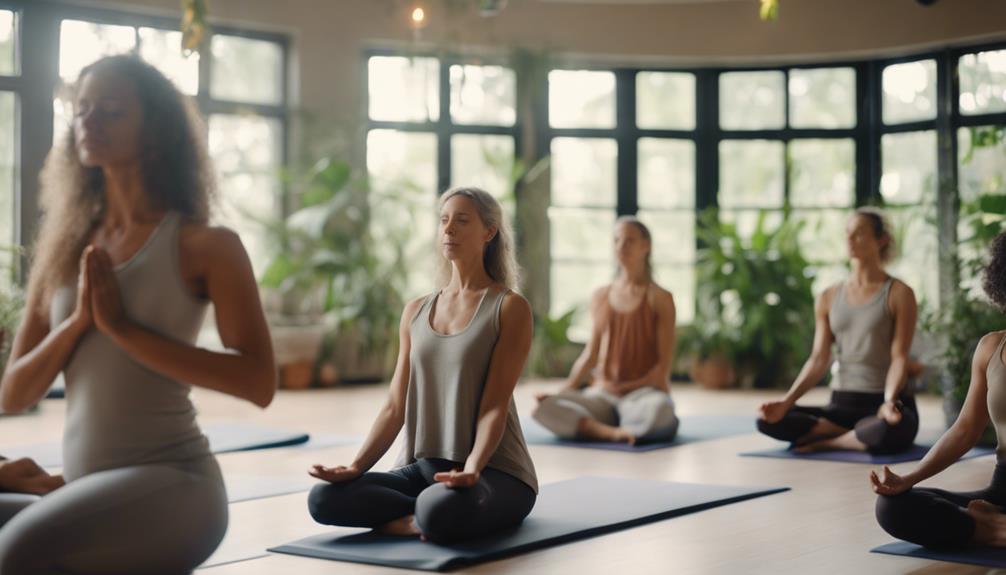
Yoga is more than a series of stretches. A regular practice combines physical postures, controlled breathing, and focused attention to support flexibility, strength, balance, and a calmer state of mind. Whether practiced at home, in a class, or alongside another form of exercise, yoga can be adapted to different abilities and fitness goals.
Physical benefits of regular yoga practice
Improved flexibility and mobility
Many yoga poses move the body through a broad range of motion and gently lengthen tight muscles. With consistent practice, this can help improve flexibility in areas such as the hips, shoulders, back, and legs. Better mobility may make everyday movements feel easier, particularly for people who spend long periods sitting or who experience general stiffness.
Flexibility tends to develop gradually. Moving slowly, breathing steadily, and avoiding force are important parts of a safe practice. A pose does not need to look advanced to be useful, and pushing beyond a comfortable range can increase the risk of strain.
Greater strength and stability
Yoga can build strength even though it does not always involve weights or fast movements. Poses such as plank, chair, warrior, and downward-facing dog require the body to support and control its own weight. Holding these positions engages muscles in the legs, arms, back, and core.
Developing strength through yoga can also improve postural awareness and stability. A stronger core and better control of body position may support more efficient movement during daily activities and complement other exercise, including running, walking, or resistance training.
Better balance and body awareness
Balancing poses require concentration as well as physical control. Practicing them can help you become more aware of how your feet, joints, muscles, and spine work together. This sense of body position is sometimes called proprioception.
Balance work can be modified with a wall, chair, or other stable support. Beginners can start with simple standing poses and short holds before progressing to more demanding positions.
Mental and emotional benefits
Stress management
Yoga offers a structured break from constant activity and distraction. Focusing on breathing and deliberate movement can encourage relaxation and help shift attention away from worries. Slow, restorative sessions may be especially useful after a demanding day, while a more active practice can provide a purposeful way to release physical tension.
Breathing exercises are an important part of many yoga traditions. Paying attention to the rhythm and quality of the breath can make it easier to notice when the body is tense and create a more settled feeling. Yoga is not a replacement for professional care when stress is persistent or overwhelming, but it may be a helpful addition to a broader approach to wellbeing.
Improved focus and mindfulness
Yoga encourages attention to the present moment. Rather than moving automatically, you are asked to notice your breathing, alignment, sensations, and thoughts. This practice of mindfulness can strengthen concentration and make it easier to recognise signs of fatigue, tension, or emotional strain.
Regular moments of focused attention may also help you approach challenges with greater awareness. The goal is not to eliminate every distracting thought, but to notice distractions and gently return to the breath or the movement.
Support for emotional wellbeing
A consistent yoga routine can create time for self-care and reflection. The combination of movement, breathing, and relaxation may support a more balanced mood and a greater sense of connection with the body. It can also encourage a less judgmental attitude toward physical ability, since progress is measured by how the practice feels and functions rather than by achieving a particular shape.
How to make yoga a regular habit
- Start with short sessions that feel manageable rather than aiming for an ambitious routine.
- Choose a consistent time of day and keep the necessary equipment easy to access.
- Alternate active sessions with gentler stretching, breathing, or relaxation practices.
- Use modifications and props when they make a pose more comfortable or stable.
- Move within a comfortable range and stop if you feel sharp pain, numbness, or unusual discomfort.
The benefits of yoga develop through consistency, patience, and attention to how your body responds. A regular practice can support physical qualities such as flexibility, strength, and balance while also creating space for relaxation and clearer focus. If you have an injury, medical condition, or specific physical limitation, consider asking a qualified health professional or experienced instructor how to adapt the practice safely.