Finding Relief: âŁExploring Yoga Positions for Lower Back⤠Pain
In a world â¤where âŁthe hustle and bustle ofâ daily life often takes precedence, our bodies â¤can bear theâ brunt of stress, leading â˘to â¤discomfort and painâespecially in the lower back.⣠For many, this discomfort becomes a constantâ companion, hindering mobility and reducing the joy of â¤everyday activities. While the solutions âcan⤠be as â¤varied as âthe individuals experiencing pain, one ancient practiceâ has stood the⣠test of âtime as a beacon â˘of hope: âyoga. By harnessing⤠the connection between mind and body through gentle movement and breath, yoga offers a path âto relief that is both â¤holistic and â¤restorative. In thisâ article,⣠we invite you to explore a selection of carefully curated yogaâ positions designed specificallyâ to alleviate⢠lower back pain. Whether you are âa seasonedâ practitioner orâ a curious ânewcomer, these poses can help you cultivate strength, flexibility, and serenity in your body, âpaving the way âŁfor a healthier, more balanced life.
Understanding the âConnection âBetweenâ Yoga and â¤Lowerâ Back Relief
Yoga offers âa holistic⣠approach to alleviating lower âbackâ pain by emphasizing flexibility, strength, and awareness of bodyâ alignment. Many practitioners â˘find âthat the intentional movements in yoga not â˘only⤠promote physical healing⣠but also ârestore â˘a sense of mental balance. By âfocusing on the breath and mindfulness, yoga⣠helps individuals reconnect withâ their bodies, allowing them to betterâ understand movements âthat may exacerbate pain. âSome common yoga⢠postures â¤beneficial for the lowerâ back include:
- Childâs Pose: Gently⢠stretches the spineâ and â¤relieves⢠tension.
- Cat-Cow Stretch: Increases flexibility in âthe spine⢠and âhelps improve circulation.
- Sphinx Pose: Opens up the chest andâ strengthens the lower back.
- Seated Forward Bend: Stretches⢠the âhamstrings and calms theâ nervousâ system.
To maximize the benefits,â itâ is essential to practice these poses mindfully, paying attention to⢠individual limits and needs. Yoga encourages⤠a balanced approachâ that â˘can help⤠manage chronic pain âeffectively while cultivating strength â¤and resilience.⢠Consider integrating these postures into your routine, as they not only target lower back discomfort but alsoâ enhance overall physical health. Below is a simple overview of âhow each position contributes to back relief:
| Yoga Pose | Benefit |
|---|---|
| Childâs Pose | Releases tension in the spine |
| Cat-Cow Stretch | Improves spinal flexibility |
| Sphinx Pose | Strengthens âthe lower back |
| Seated Forward Bend | Stretches hamstrings, calms mind |
Essential Yoga Poses to Alleviate Lower Back â˘Discomfort
Lower back âdiscomfort is a common issue that many encounter, but integrating certain yoga poses⤠into⤠your routine can âprovide â˘significant relief.â These â˘poses ânot only stretch and strengthenâ the back â¤musclesâ but also â¤enhance flexibility and promote relaxation. Here are a few essential poses âto consider:
- Childâsâ Pose: This âgentle â¤stretchâ allows the âspine to⢠elongate, âoffering⣠a soothing release to tight muscles.
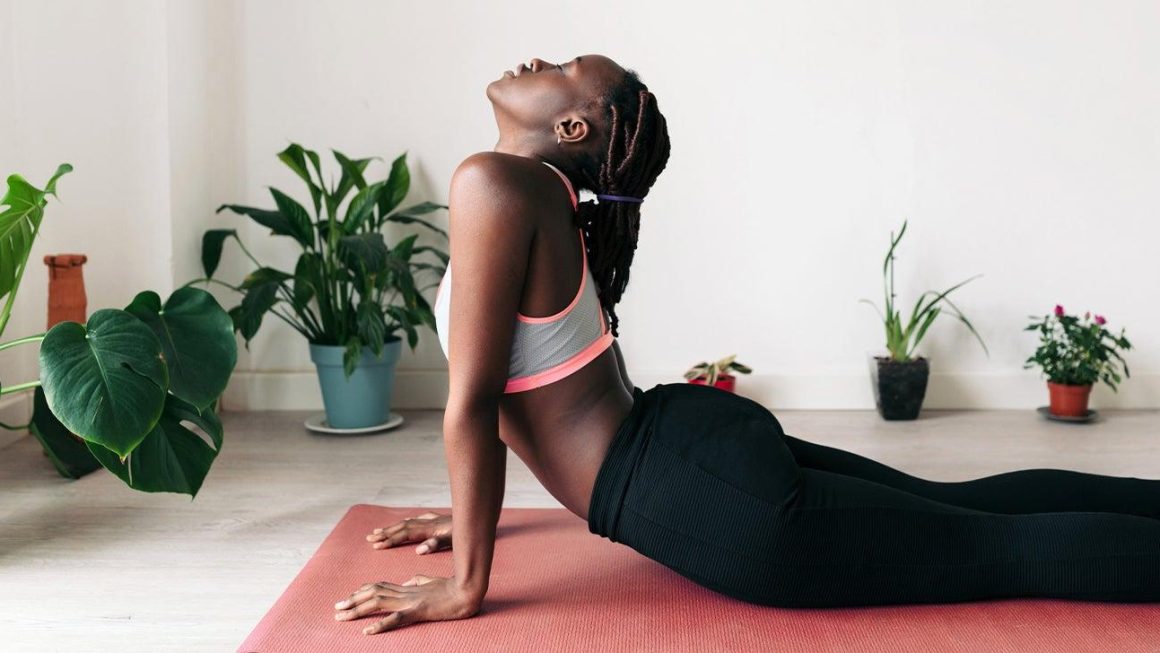
- Cobra Pose: Engages the lower back while promoting strength and âŁflexibility in the spine.
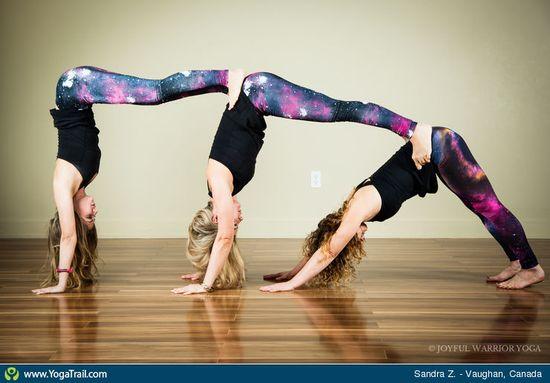
- Downward-Facing⢠Dog: An excellent â˘full-body stretch that helps to decompress âthe spine and alleviate tension.
- Cat-Cow Stretch: This dynamic transition improves â˘spine âflexibility and encourages rhythmic movement,â easing discomfort.
Incorporatingâ these⤠poses into your âŁpractice can help âestablish âa supportive environment for your⢠back. Consistency isâ key, so consider creating a simple routine. Below is a sample table to guide your practice:
| Pose | Duration | Benefits |
|---|---|---|
| Childâs Pose | 1-2 minutes | Stretches spine and relieves tension |
| Cobra Pose | 30 seconds | Strengthens â¤lower back |
| Downward-Facing Dog | 1 minute | Decompresses⤠spine |
| Cat-Cow â˘Stretch | 1-2 minutes | Improves flexibility and âreduces â˘stiffness |
Creating a Safe Practice: âŁTips for Beginners⤠with Back Pain
When starting a yoga practice aimed at alleviating lower back pain, safety should always be your top priority. It’s⢠essential toâ listen to your body âand â˘avoid pushing yourself into âŁany position⢠that feels uncomfortable. Start with gentle movements that allow you to assess how âyour â˘back responds. As a beginner, âŁconsider focusing on foundational poses that â¤promote âŁstrength and flexibilityâ without straining your lower back. Keeping a few essential⤠precautions in mind can help ensure a beneficial experience:
- Warm up properly: âSpend a few minutes â˘doing light stretches to prepare your body.
- Use props: Incorporate blocks, straps, or cushions to support your body in different⤠positions.
- Modify as needed: Tailor poses to âŁyour comfort level, takingâ breaks when necessary.
- Consult a professional: Ifâ unsure about a â˘pose or âyour limitations, consider seeking â¤guidance from a certified â¤yoga instructor.
As you explore various â˘yoga⤠positions, adopting a gradual approach can greatly enhance⤠your abilityâ to practice safely. Engagement âof core muscles and proper alignment will âhelp protect⢠your lower â¤back while enhancing the effectiveness of your practice. Below is âŁa table summarizing âsome beginner-friendly poses you might include in your⤠routine:
| Yoga Pose | Benefits |
|---|---|
| Cat-Cow Stretch | Increases spinal flexibility and relievesâ tension. |
| Child’s Pose | Stretches the spine âŁand promotes relaxation. |
| Pelvicâ Tilts | Strengthens âabdominalâ muscles and supports lower back. |
| Supported Bridge Pose | Strengthens glutes while providing lower back support. |
Integrating Mindfulness: The âŁRole⤠of Breath in Yoga âfor Back Health
Incorporating â¤breathwork intoâ your yoga practice can transform your â˘approach to lower back health. âEach inhalation âand exhalation serves asâ a means to connect both theâ body and mind, fostering aâ sense of âawareness that can alleviate tension in âthe âback. When practicing yoga, âbeing âmindful of your breath not only enhances your physical posturesâ but alsoâ encourages relaxation⤠and release of âstress stored âin⣠the muscles. Here are some key â˘points to remember:
- Deep Breathing: Engage in diaphragmatic⤠breathing to âincrease oxygen flow and promote relaxation.
- Syncing âBreath and Movement: Coordinate âyour breath with your movements to maintain focus and stability.
- Mindfulness: Use the breath as an anchor â¤to stay present, which can⤠reduce anxiety and discomfort.
To effectively integrate breathwork in yoga for âbackâ health, consider adopting⤠these simpleâ yet âŁimpactfulâ breathing techniques â˘during your practice. For instance, Ujjayi breath, characterized by aâ subtle constriction of the throat, creates an audible sound and⤠can deepen your experience. Practicing this while you hold poses encourages a rhythm âthat enhances endurance âand concentration. Below is a table summarizing essential âbreathwork techniques that can âŁbe beneficial for⢠your lower back:
| Technique | Description |
|---|---|
| Diaphragmatic Breathing | Inhale deeply⣠through the nose, expanding the belly. |
| Box Breathing | Inhale for 4 counts, hold for 4, exhale for âŁ4, hold for âŁ4. |
| Ujjayi Breath | Inhale slowly while constricting the throat, creating sound. |
Q&A
Q&A: â˘Yoga⢠Positions for Lower Back Pain Relief
Q1:⣠What are some effective yoga positionsâ for alleviating lower back pain?
A1: Several yoga poses can âŁprovide relief for⤠lower back pain. Some of⤠the â¤most effective include Childâs Pose,⣠Cat-Cow Stretch, Downward Facing âDog,â and Pigeon Pose. Each of these positions helps to stretch âand strengthen the muscles surrounding the âlower âback, promoting flexibility and â¤reducing tension.
Q2: How does yoga âhelp with lower â˘back pain?
A2: Yoga âworks on two levels: it enhances physical flexibility â¤and⢠strengthens key muscle groups while also promoting relaxation⢠and âŁmindfulness. The controlled movements and stretches in yoga can releaseâ tight muscles, improve blood⣠flow,⤠and increase overall âmobilityâall of which â¤can contribute⢠to easing lower back â˘discomfort.
Q3: Can beginners practice these poses safely?
A3:â Absolutely! âBeginners can⣠safely practice these âŁposes by focusing on gentle movements and listening âto their bodies. It’s âimportant to start slow, using⢠propsâ such as blocks or straps if⢠needed, and gradually work âtowards deeper â˘stretches as one’s flexibility improves. Consultingâ a yoga instructor can provide guidance tailored to individual âneeds.
Q4: Howâ long should I hold â¤each pose?
A4: Generally, holding eachâ pose for 20 to 30 seconds is⣠a good startingâ point. However, â¤you can âhold the poses longer if it feels comfortable, breathing deeply and allowing your body âto settle⢠into the stretch. It’s important to listenâ to your bodyâif a pose feels âtoo intense, ease out of it.
Q5: Are there any precautions I should take?
â˘
A5: Yes! âItâs vital to approach yoga mindfully, especially if you are experiencing pain. Avoid any â˘positions that exacerbate your discomfort. If you have chronic lower back pain or âany health concerns, consulting a healthcare professional before starting âa yoga practice â˘is â˘recommended. Additionally, modifyâ poses as needed⣠to ensure you’reâ practicing safely.
Q6: How often should I practice yoga for lower back painâ relief?
A6: âŁConsistency⤠is key when âŁitâ comes to yogaâ and pain relief! Practicingâ a few times a week can lead to noticeable improvements in flexibility and strength. Even incorporating â˘short daily sessionsâjust 10 to 15⢠minutesâcan⢠be beneficial in managing lower back âpain.
Q7: Can I combine yoga with other treatments âfor â˘lower back pain?
A7:â Yes, yoga can be a wonderfulâ complement to â¤other treatments such as â¤physical therapy, massage, or chiropractic care.â It can enhanceâ your overall recovery process by improving muscle function and supporting relaxation. Just be sure to⢠keep communicationâ open with your healthcare â¤providers about your yoga⤠practice.
Q8:⣠Are âthere anyâ resources âfor learning these yoga positions?
A8: Thereâ are numerous resources âŁavailable! Online platforms offer instructionalâ videos, mobile⣠apps provide guided practices, and numerous âŁbooks detailâ yoga for âŁpain relief. Consider joining a local class⣠or workshop to⣠receive hands-on â˘guidance. Just ensure⣠the instructor is knowledgeable⢠about issuesâ related to â¤lower back âpain.
Q9: What should I do if I â˘experience pain while doing yoga?
A9: If youâ feel pain while âpracticing yoga, itâs essential⤠to listen to your body. âŁGentlyâ ease out of the pose and⤠evaluate what caused the discomfort.⢠If the pain persists, consult a healthcare â˘professional âŁfor advice. Remember, yoga should notâ hurt; it should feel â˘like a gentle stretch.
By incorporating these yoga positions mindfully, you may find âa pathwayâ to relief fromâ lower back pain, âŁallowing for a⤠greater sense of physical well-being and tranquility. Happy practicing!
The Wayâ Forward
As â¤we conclude our exploration of yoga positions âtailored âfor alleviating lower âback pain, it’s essential âto remember thatâ the â¤journey towards relief is both personal â¤and continuous. The gentleâ embrace of âthese posesâ can provide ânot just physical comfort, âbut alsoâ a âŁsanctuary â˘for⣠your mind, inviting âŁrelaxation amidstâ the chaos ofâ daily âlife.
Whether youâre a seasoned yogi or a curiousâ newcomer,⣠integrating these positions into your routine can foster greater awareness of âyour bodyâs needs and capabilities. âAlways listen to your body, honor âits limitations, and seek professional guidance when necessary.
May your yoga mat become a safeâ haven where âeach stretch leads you aâ step closer to well-being,⢠and may everyâ breath you take â˘cultivate a sense âof peace âŁand strength. Hereâs âto âŁfinding⤠balance, âboth on and off theâ matâyour pathâ to comfort⤠and recovery âawaits.