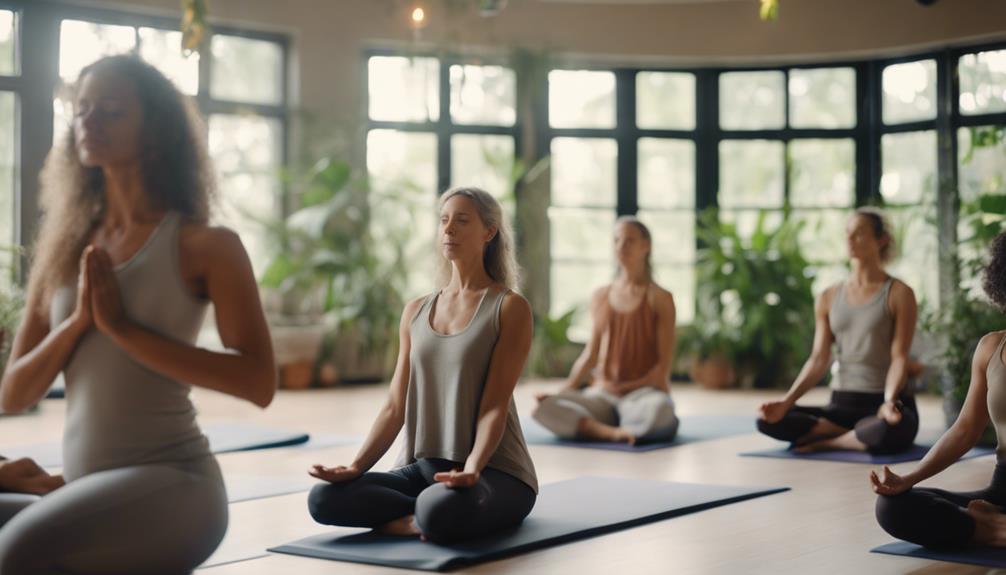
Stress can affect both the mind and the body. Work demands, relationship difficulties, financial concerns, and the constant pace of daily life may contribute to feeling tense, distracted, restless, or overwhelmed. Yoga may be a useful part of a broader stress-management routine because it combines physical movement, breathing, focused attention, and relaxation.
How stress affects the body and mind
Stress is the body’s natural response to a perceived demand or threat. In the short term, this response can help a person react quickly. When stress continues for a long time, however, the body may remain in a state of heightened alertness.
Ongoing stress can appear in different ways, including:
- Muscle tightness, headaches, or jaw tension
- Difficulty sleeping or persistent tiredness
- Digestive discomfort
- Irritability, anxiety, or low mood
- Difficulty concentrating or making decisions
These effects can interfere with relationships, work, rest, and general quality of life. Finding practical ways to calm the body and create mental space is therefore an important part of caring for overall wellbeing.
Why yoga may help with stress
Yoga does not remove the causes of stress, but regular practice may help you respond to them more calmly. Its benefits come from several elements working together rather than from physical postures alone.
Controlled breathing
Slow, deliberate breathing gives you something specific to focus on and may encourage the body’s relaxation response. Paying attention to a steady inhale and a longer, comfortable exhale can help reduce hurried breathing and create a greater sense of calm.
Breathing should remain comfortable. For stress relief, there is no need to force deep breaths, hold the breath for a long time, or continue if you feel dizzy or uncomfortable.
Mindful attention
Yoga often directs attention toward the sensations of movement, the rhythm of breathing, and what is happening in the present moment. This can interrupt repetitive worrying about the past or the future. Even a short period of focused attention may provide a useful pause during a demanding day.
Releasing physical tension
Stress is often carried physically in areas such as the shoulders, neck, back, hands, or jaw. Gentle stretching and controlled movement may help you notice these patterns and reduce some of the tightness associated with them. Relaxed movement can also support flexibility and body awareness.
Creating time for recovery
A yoga session can provide a deliberate break from work, screens, and other demands. Restorative poses, quiet breathing, and a short relaxation period at the end of practice may make it easier to shift from an active state into rest.
How to begin a stress-relieving yoga routine
A useful routine does not have to be long or demanding. Consistency is often more practical than trying to complete an ambitious session occasionally.
- Start small: Begin with a few minutes of gentle movement and breathing, then increase the time if it feels helpful.
- Choose a realistic time: Morning, a midday break, or the period before bed can all work. Select a time you can repeat without adding pressure.
- Keep the setting simple: Use a comfortable, relatively quiet space and remove avoidable distractions.
- Focus on comfort: Choose gentle poses, move slowly, and use supports such as a wall, cushion, or yoga block when needed.
- Finish with stillness: Spend a few moments sitting or lying comfortably while noticing your breathing.
There is no requirement to perform advanced poses. A short sequence of comfortable stretches combined with calm breathing may be more suitable for stress relief than a strenuous workout.
Practising safely
Yoga should feel manageable, not painful. Avoid forcing a joint or holding a position that causes sharp pain, numbness, or dizziness. People with injuries, significant health conditions, pregnancy-related concerns, or limited mobility may benefit from guidance from a qualified instructor or healthcare professional. Yoga can complement other forms of support, but it should not replace medical or mental-health care when stress is severe, persistent, or affecting daily functioning.
Making yoga part of a broader plan
Yoga may be one helpful tool among several. Adequate rest, regular movement, supportive relationships, time outdoors, practical problem-solving, and professional support can also contribute to healthier stress management. The most effective practice is one that feels safe, realistic, and sustainable for your circumstances.