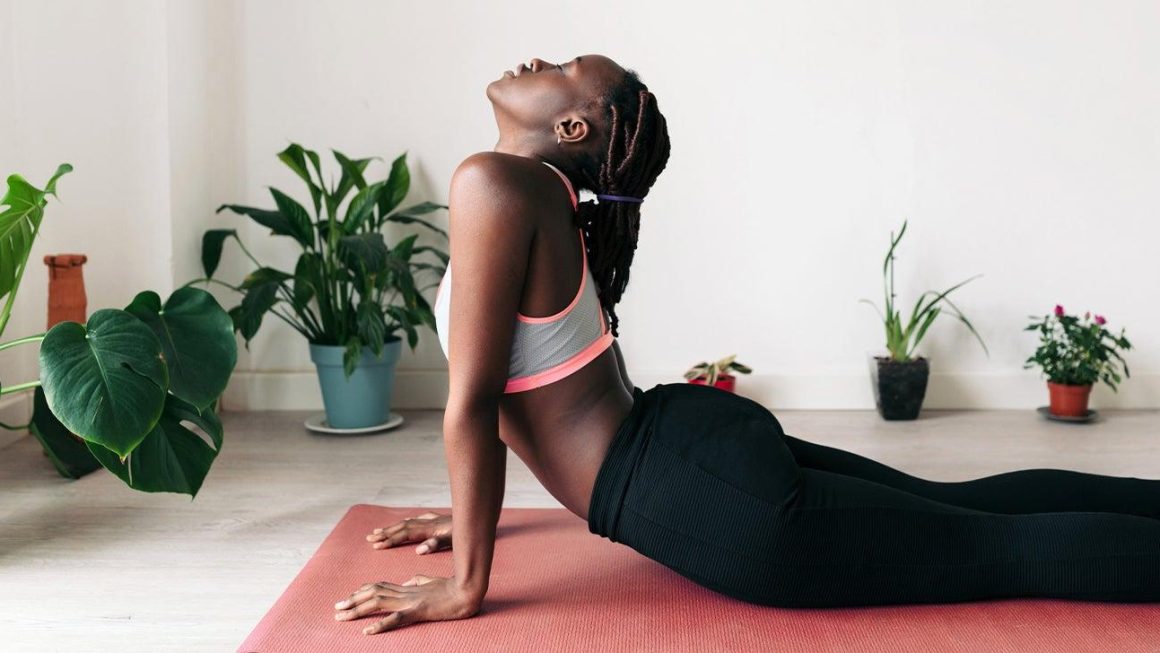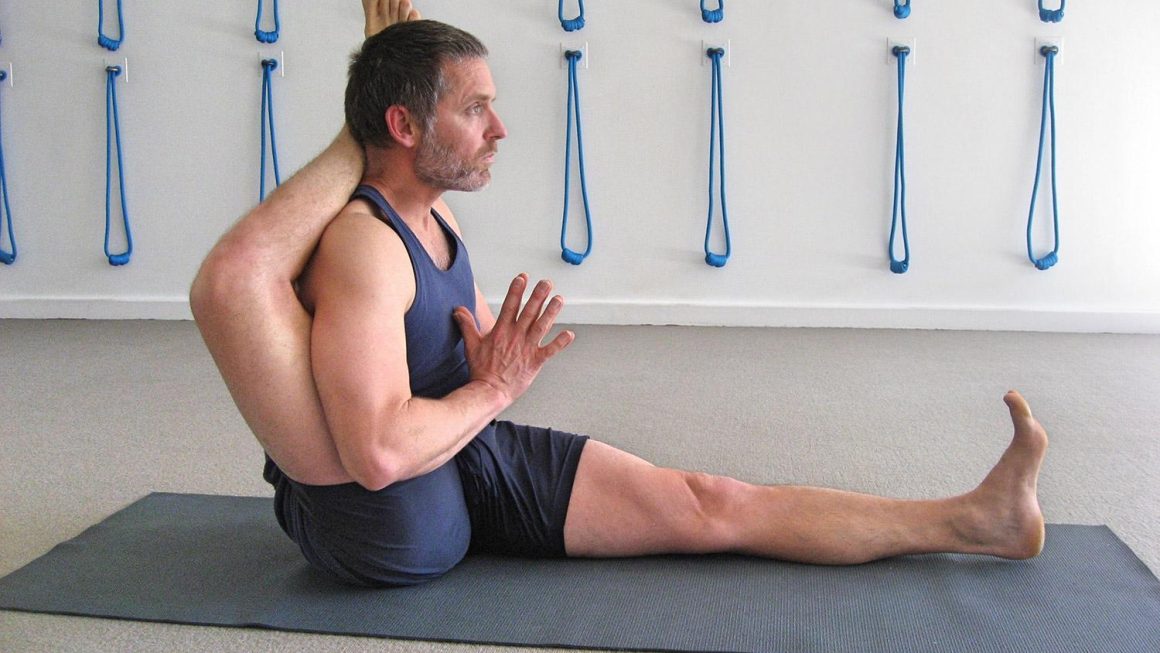
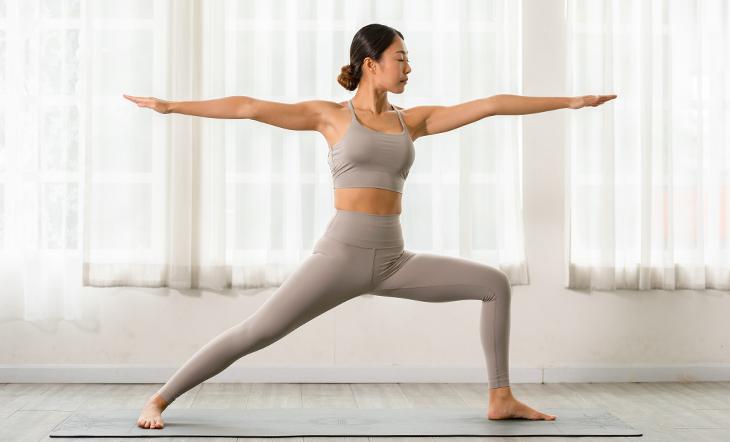
Yes, yoga can support better posture, especially when it is practiced consistently and combined with healthier movement habits. Its value is not simply that it encourages you to “sit up straight.” Yoga develops the strength, mobility, balance, and body awareness that can make comfortable alignment easier to maintain while standing, sitting, and moving.
Posture is also more than holding the spine in one rigid position. A healthy body needs to adjust constantly as you walk, work, exercise, and rest. Yoga can help you notice habitual patterns—such as rounded shoulders, a forward head position, or excessive tension in the lower back—and gradually replace them with more controlled, comfortable movement.
How yoga may help posture
Yoga combines physical positions with breathing and focused attention. This combination can support posture in several connected ways:
- Greater body awareness: Paying attention to the feet, pelvis, spine, shoulders, and head helps you recognise when you are losing alignment.
- Stronger supporting muscles: Many poses engage the core, back, hips, legs, and shoulders, which all contribute to stable movement.
- Improved mobility: Gentle stretching can address stiffness in areas such as the chest, shoulders, hips, hamstrings, and upper back.
- Reduced unnecessary tension: Slow breathing and mindful movement may help you identify and release muscles that are working harder than necessary.
The aim is not to force the body into an ideal-looking shape. Instead, yoga encourages steadier control and a better understanding of what feels balanced for you.
Yoga poses that support alignment
Mountain Pose
Mountain Pose is a simple standing position that teaches the foundations of alignment. Stand with your feet grounded, let your knees remain relaxed, and allow the spine to lengthen without stiffening. Notice whether your weight is evenly distributed and whether your shoulders are rising unnecessarily. This awareness can carry over into standing and walking during the day.
Cat-Cow
Moving slowly between spinal flexion and extension can help you explore how the back moves. Cat-Cow is useful for practising coordinated movement with the breath and for noticing areas that feel particularly stiff or restricted. Keep the motion gentle rather than trying to create the largest possible range.
Child’s Pose
Child’s Pose offers a restorative stretch for the back and may encourage relaxation in the shoulders and neck. Use a cushion or folded blanket if needed, and choose a position that allows easy breathing. It should feel comfortable rather than forced.
Bridge Pose
Bridge Pose engages the glutes and the muscles around the back of the hips while opening the front of the body. Keep the movement controlled and avoid pushing the lower back into an uncomfortable arch. A smaller lift is often more useful than trying to raise the hips as high as possible.
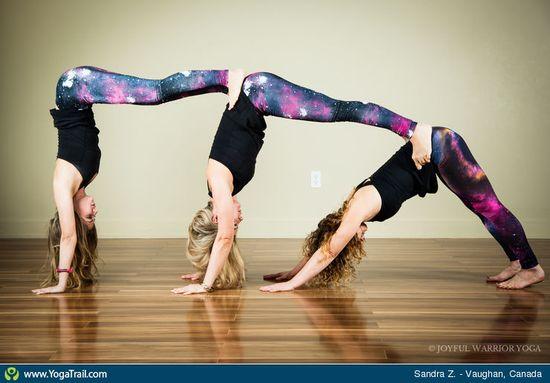
Downward-Facing Dog
This pose can involve the shoulders, back, hips, and backs of the legs. It does not require perfectly straight legs or heels reaching the floor. Bending the knees and prioritising a long, comfortable spine can make the pose more accessible and reduce strain.
A simple posture-focused practice
A short routine can be enough to begin building awareness. Move slowly and breathe comfortably:
- Spend a minute noticing your natural standing posture in Mountain Pose.
- Complete several gentle Cat-Cow movements.
- Hold Child’s Pose for a few relaxed breaths.
- Practise Bridge Pose for a few controlled repetitions or comfortable breaths.
- Finish in a relaxed seated or lying position and observe how your body feels.
Consistency matters more than intensity. A brief practice performed regularly may be easier to maintain than an occasional demanding session. During the day, apply the same awareness to everyday activities: place both feet on the floor while sitting, change position regularly, and avoid holding one posture for long periods.
Yoga is only one part of posture care
Yoga can be helpful, but it is not a complete solution for every posture concern. Workstation setup, general physical activity, strength training, sleep habits, and the way you lift or carry objects can also influence how your body feels. If sitting or standing causes discomfort, changing position and taking movement breaks may be as important as any individual pose.
Posture problems are not always caused by poor habits. Persistent pain, numbness, weakness, dizziness, or symptoms following an injury should be assessed by an appropriate healthcare professional. If a pose produces sharp pain or worsening symptoms, stop and seek guidance. Beginners with an injury or ongoing health condition may benefit from working with a qualified yoga teacher who can offer suitable modifications.
The practical answer
Yoga can improve the foundations of posture by developing body awareness, mobility, strength, and control. The results are more likely to come from regular, comfortable practice than from forcing the spine into a particular position. Use yoga as one tool within a broader approach to movement, and focus on feeling balanced and at ease rather than trying to look perfectly aligned.