A dedicated yoga area can make it easier to step away from daily distractions and give your practice a clear place in your routine. It does not need to be a full room or an expensive setup. With a little planning, a quiet corner can become a comfortable space for movement, breathing, and reflection.
Choose a practical location
Start by looking for an area where you can place your mat fully open and still have enough room to extend your arms and legs. A spare room is useful if you have one, but it is not essential. Part of a bedroom, living room, home office, or another uncluttered area can work just as well.
Choose a location that is easy to access. If setting up your practice requires moving several pieces of furniture every time, you may be less likely to use the space. A corner that can remain mostly clear is often more effective than a larger area that is difficult to prepare.
- Remove objects that could interrupt movement or create a tripping hazard.
- Leave enough clearance around the mat for standing, stretching, and transitions.
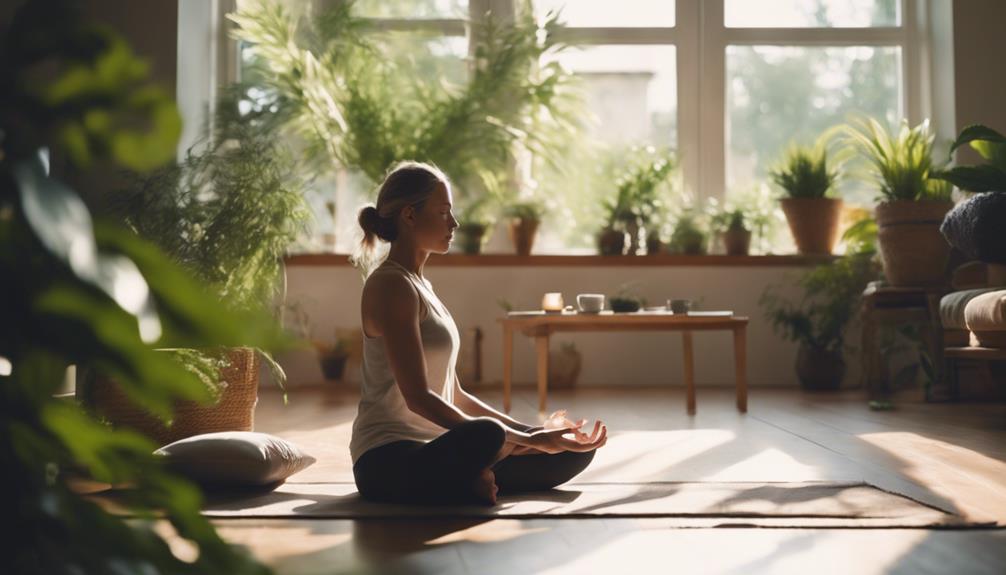
- Use natural light if it feels pleasant, while avoiding glare or excessive heat.
- Keep the room at a comfortable temperature with suitable ventilation.
Outdoor practice can also be appealing when the weather and surface are suitable. A level, clean area in a yard or on a patio may provide a stronger connection with the surrounding environment. Check the ground carefully before beginning and adjust your practice to the conditions.
Begin with the essentials
You can create a useful practice space without filling it with specialised equipment. The main requirement is a yoga mat that provides enough grip and cushioning for your needs. Choose one that feels stable during standing poses and comfortable when kneeling or lying down.
Wear clothing that allows you to bend, reach, and rotate without restriction. Breathable, flexible layers are practical because they can be adjusted as your body warms up or the room temperature changes.
Props are optional, but a few simple items can make your practice more adaptable:
- Blocks: Helpful for bringing the floor closer or supporting balance in certain poses.
- A strap: Useful when you need additional reach during stretches.
- A folded blanket: Can provide cushioning under the knees or support during seated and restorative poses.
- A cushion or bolster: May make longer seated or reclining positions more comfortable.
Keep equipment in a basket, shelf, or small cabinet near the mat. Easy access reduces preparation time and helps the area stay organised. Avoid buying items simply because they are popular; select only what supports the kind of practice you actually want to do.
Create a focused atmosphere
The visual and sensory character of the room can influence how easy it feels to settle into practice. Keep the surrounding area simple and remove unnecessary clutter. Soft, neutral, or naturally calming colours may help create a quieter impression, while personal artwork or an object with positive meaning can make the space feel welcoming.
Lighting is another straightforward way to shape the atmosphere. Use daylight when it is comfortable, or choose a gentle lamp instead of harsh overhead lighting. If you use candles or incense, place them securely away from the mat, clothing, curtains, and other flammable materials. Never leave an open flame unattended, and consider fragrance-free alternatives if scents are distracting or uncomfortable.
Quiet may be the best choice, but gentle background music or natural sounds can help some people maintain focus. Prepare a short playlist before you begin so that choosing what to listen to does not become another distraction. You can also keep a timer, journal, or water bottle nearby if those items support your routine.
Make the space work for your routine
A home yoga area should support consistent practice rather than look perfect. Decide how you will use it: perhaps for short morning sessions, evening stretches, breathing exercises, or longer weekend practices. Arrange the mat and props according to that purpose.
Before each session, check that the floor is clear and that the mat is lying flat. During practice, move within a comfortable range and use props when they help you maintain steadiness or ease. Stop or modify a movement if it causes pain, and choose a setup that lets you focus on your body and breath without feeling crowded.
The most effective home yoga space is one you feel comfortable returning to. Keep it simple, accessible, and personal, then adjust it over time as your needs change.