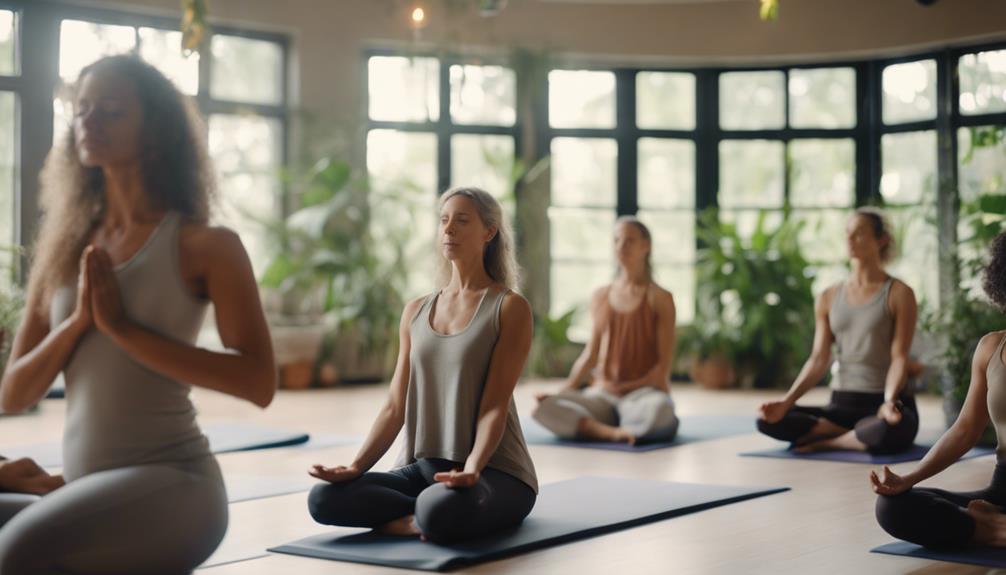
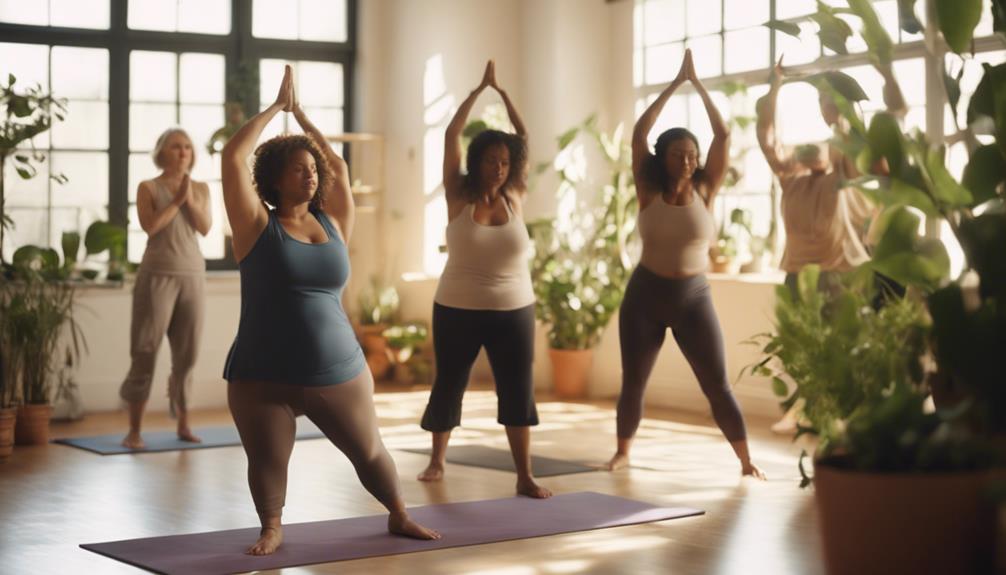
Modern routines often leave little room for recovery. Work, family responsibilities, and time spent sitting or looking at screens can contribute to mental strain, muscle tension, and poor posture. Yoga offers a practical way to pause, reconnect with your body, and support both physical and emotional well-being.
Yoga combines physical postures, controlled breathing, and mindful attention. It can be adapted to different abilities and energy levels, whether you prefer a gentle session focused on relaxation or a more active sequence that challenges your balance and strength. The most valuable benefits usually come from regular, comfortable practice rather than forcing difficult poses.
Why add yoga to your routine?
A consistent yoga practice can support several aspects of everyday well-being. Its value is not limited to flexibility: the combination of movement, breathing, and concentration can help you care for your body while creating a calmer transition between busy parts of the day.
- Stress management: Slowing the breath and focusing on the present moment can help settle a busy mind and release some of the tension that builds during the day.
- Mobility and flexibility: Gentle stretching can help maintain range of motion and reduce the feeling of stiffness that may come from inactivity or repetitive movement.
- Strength and stability: Many poses require you to support and control your body, engaging muscles in the legs, arms, back, and core.
- Posture awareness: Yoga encourages attention to spinal alignment, shoulder position, and the way you distribute weight, which may help counter habits such as slouching.
- Mindful self-care: Setting aside time for practice creates a deliberate opportunity to check in with your physical and mental state.
How yoga helps the mind and body relax
Breathing brings attention to the present
Breathing is a central part of many yoga sessions. Paying attention to a slow inhale and a steady exhale gives the mind a simple point of focus. This can make it easier to step away from unfinished tasks, anxious thoughts, or constant digital distractions for a while.
Breath-focused practice can also encourage a more measured pace during movement. Instead of rushing from one pose to the next, you learn to notice how your body feels and adjust accordingly. That awareness can make a session feel restorative rather than demanding.
Movement can ease everyday tension
Long periods at a desk, repeated movements, and limited activity can leave the neck, shoulders, hips, and back feeling tight. Yoga uses controlled stretches and changes of position to move these areas in different ways. A gentle sequence may help you become more aware of where you are holding tension and give your muscles a chance to relax.
Yoga is not a replacement for medical care, and discomfort should not be ignored. Move within a comfortable range, avoid forcing a pose, and consider guidance from a qualified instructor if you are new to the practice or have an existing concern.
Building flexibility, strength, and better posture
Flexibility generally develops gradually. Repeatedly practicing suitable stretches can help your body become more comfortable with a wider range of movement. Progress does not require achieving advanced poses; being able to move with less stiffness in ordinary activities can be a meaningful result.
Yoga can also develop strength through bodyweight positions. Holding a pose requires control, balance, and muscular endurance. Over time, a steady practice may make everyday movements feel more supported and improve your awareness of how your body works as a whole.
Posture is another area where mindful movement can help. Positions that lengthen the spine, open the chest, and strengthen supporting muscles encourage you to notice how you sit and stand. This awareness may make it easier to replace habitual slouching with a more balanced position, particularly when combined with regular breaks from sitting.
Making yoga a sustainable habit
Choose a pace that fits your life. A short session that you can repeat consistently may be more useful than an ambitious routine that quickly becomes difficult to maintain. You might practice in the morning, use a few gentle stretches as a break during the day, or finish the evening with breathing and relaxation.
- Start with simple movements and learn how each pose feels.
- Use your breath as a guide rather than competing with a pose or another person.
- Include both active strengthening and quieter stretches when possible.
- Allow time for stillness at the end of a session.
- Stop or modify a movement if it causes sharp pain, strain, or unusual discomfort.
With regular, mindful practice, yoga can become more than an exercise session. It can provide a reliable pause in a crowded day while supporting mobility, strength, posture, and a greater sense of connection between mind and body.