A short morning yoga practice can help you transition from rest to activity with greater awareness. Gentle movement loosens areas that may feel stiff after sleep, while breath-focused poses create a calm starting point for the day. You do not need an advanced practice or a long block of free time; a few carefully chosen poses can be enough to warm up your body and focus your attention.
Why Practise Yoga in the Morning?
Morning yoga combines stretching, controlled movement, balance, and breathing. Depending on the poses you choose, it can provide a gentle way to mobilise the spine, open the hips and shoulders, and prepare the legs and arms for the day ahead.
- Mobility: Slow stretches can ease ordinary morning tightness and encourage a comfortable range of motion.
- Energy: Standing poses and flowing sequences bring movement into the body without requiring a strenuous workout.
- Focus: Coordinating movement with the breath gives your attention a clear place to rest.
- Stress management: Deliberate breathing and unhurried transitions can make the start of the day feel less rushed.
- Consistency: Practising before other responsibilities take over may make it easier to establish a regular routine.
Six Morning Yoga Poses to Try
1. Child’s Pose
Begin on your hands and knees, then lower your hips toward your heels and rest your forehead on the mat or a folded towel. Keep your arms extended or place them alongside your body. This resting posture gently lengthens the back and hips and provides a quiet moment to notice your breathing.
2. Cat-Cow
From hands and knees, alternate between rounding your spine as you exhale and gently lifting your chest and tailbone as you inhale. Move slowly and stay within a comfortable range. Cat-Cow is a useful way to warm the spine before moving into stronger or more active poses.
3. Downward-Facing Dog
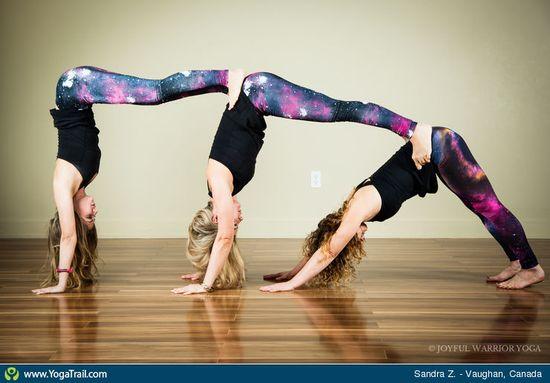
From hands and knees, tuck your toes and lift your hips up and back. Keep your knees bent if that allows you to lengthen your spine more comfortably. Press through your hands and let your head remain relaxed between your arms. You can pedal the feet gently to explore the backs of the legs.
4. Sun Salutation
A Sun Salutation links several movements into a flowing sequence. A beginner-friendly version may include standing tall, folding forward, stepping back to a supported plank, lowering the knees if needed, and returning through a lunge to standing. Move at a pace that lets you breathe steadily rather than trying to make the sequence fast.
5. Warrior II
Step one foot forward and turn the back foot slightly outward. Bend the front knee while extending your arms in opposite directions. Keep the front knee tracking in the same direction as the toes and maintain a stable, upright torso. Repeat on both sides to work on leg strength, hip mobility, and concentration.
6. Tree Pose
Stand with your feet grounded, shift your weight into one leg, and place the sole of the other foot against the inner calf or thigh. Avoid placing it directly on the knee. Bring your hands together or extend them overhead, using a wall for support if necessary. Tree Pose adds balance and a focused finish to an active sequence.
A Beginner-Friendly 15-Minute Routine
Use the following outline as a starting point. The timings are flexible, so shorten or extend them according to your experience and energy level.
- Breathing — 1 minute: Sit or stand comfortably and take slow, relaxed breaths.
- Child’s Pose — 2 minutes: Settle into the practice without forcing the stretch.
- Cat-Cow — 2 minutes: Link each spinal movement to an easy breath.
- Downward-Facing Dog — 1 minute: Bend the knees as much as needed and keep the spine comfortable.
- Sun Salutations — 4 minutes: Complete a few slow rounds, using a smaller range of motion when necessary.
- Warrior II — 2 minutes: Hold on each side, keeping the breath steady.
- Tree Pose — 2 minutes: Practise on both sides with support nearby.
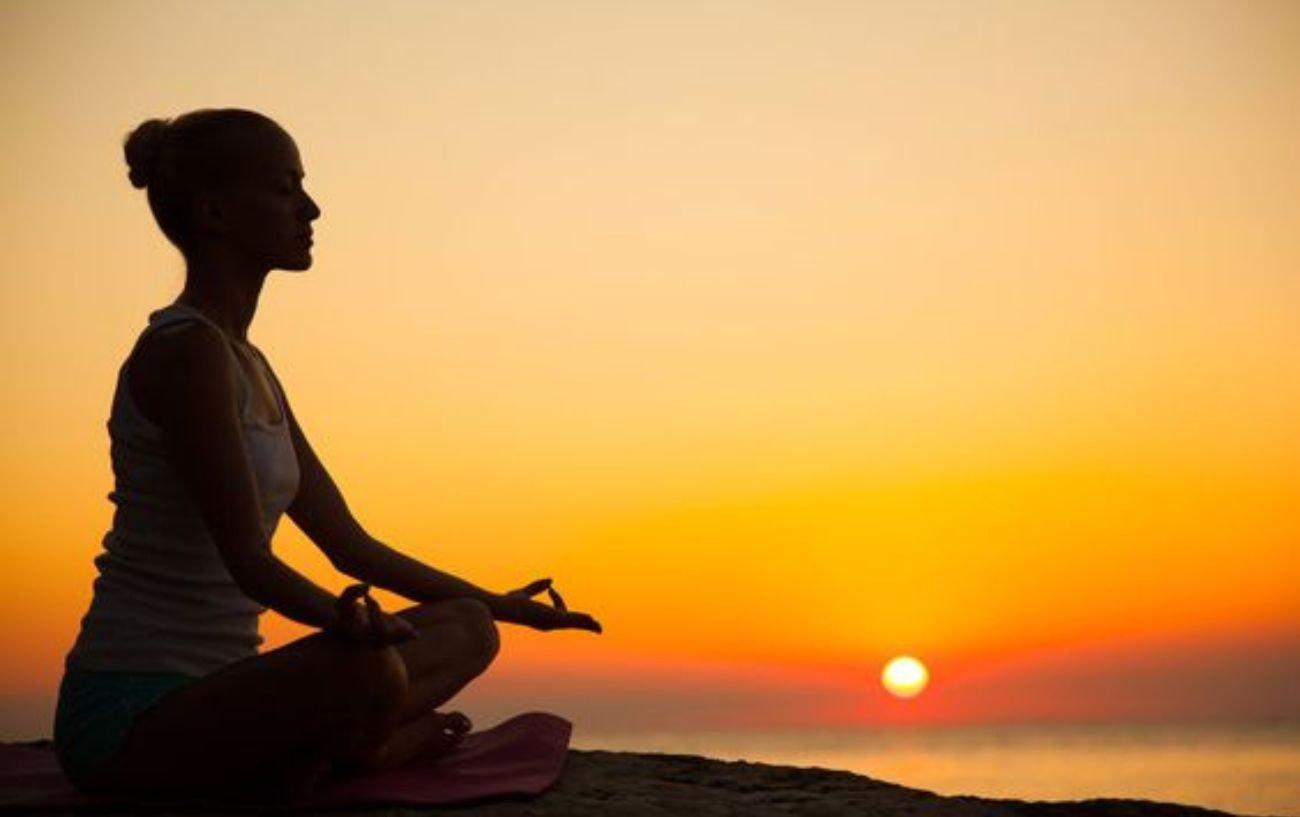
- Quiet sitting — 1 minute: Notice how your body feels and choose an intention for the day.
Tips for a Comfortable Practice
- Choose a clear, quiet space where you can move without distraction.
- Wear clothing that allows your hips, shoulders, and knees to move freely.
- Use a yoga mat or another stable surface for traction and support.
- Start gently, especially if your body feels stiff after waking.
- Use a wall, cushion, or folded blanket to modify poses when helpful.
- Keep breathing naturally; do not force a stretch or hold your breath.
Practise Within Your Limits
Yoga should feel purposeful rather than painful. Reduce the intensity or leave out a pose if it causes sharp pain, dizziness, or discomfort that does not improve when you adjust your position. If you have an injury, persistent pain, or a health condition that affects movement, consider asking a qualified healthcare professional or yoga instructor which modifications are appropriate.
The most useful morning routine is one you can repeat comfortably. Begin with five or ten minutes if fifteen minutes feels unrealistic, and build gradually as the habit becomes familiar.