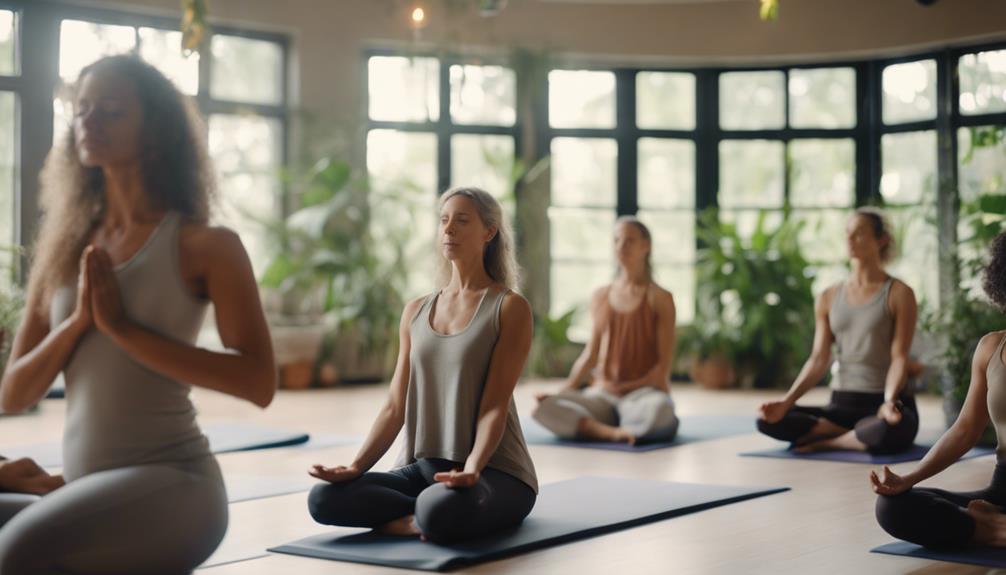
Going to your first yoga class can feel exciting, unfamiliar, or even a little intimidating. You may wonder what to wear, whether you will be able to follow the instructor, or how experienced everyone else will be. The good news is that a beginner class is designed to introduce you to the basics at a manageable pace.
Arrive early and introduce yourself
Try to arrive with enough time to get settled rather than rushing in just as class begins. This gives you a chance to find a comfortable place, arrange your belongings, and speak briefly with the instructor.
Let the instructor know that you are new to yoga. You should also mention any injuries, physical limitations, or specific concerns that may affect your practice. This information can help the instructor suggest modifications and provide guidance that suits your needs.
There is no need to feel embarrassed about asking questions. The instructor’s role is to help you understand the practice and feel more comfortable as you learn. A short conversation before class can make it easier to relax and ask for assistance during the session.
Wear clothing that lets you move
Choose comfortable, stretchy clothing that allows you to bend, reach, and change positions without restriction. Avoid anything so tight that it limits movement or so loose that it becomes distracting while you practise.
Breathable fabrics can make the class more comfortable, particularly if the room becomes warm or the practice is physically active. Wearing layers is also useful because the temperature may feel different while you are moving compared with when you are resting.
Most yoga is practised barefoot. If you prefer additional grip, non-slip yoga socks may be an option. You generally do not need specialised clothing or footwear to attend your first class.
Bring water and any essentials
Bring a water bottle so you can drink when needed. Taking small sips during or after practice can help you stay comfortable, especially during a more energetic session. A bottle with a secure lid is practical and helps prevent spills near your mat.
If the studio provides mats or other equipment, you may not need to bring anything beyond water and comfortable clothing. If you are unsure what is available, check with the studio before attending. Otherwise, bring the items you already know you will need and avoid overcomplicating your first visit.
Expect basic poses and guided breathing
Your instructor will usually demonstrate and explain foundational poses. These may include mountain pose, child’s pose, and downward-facing dog, along with simple transitions between positions. You are not expected to perform every pose perfectly on your first attempt.
Pay attention to the instructor’s alignment cues, but remember that bodies differ. A pose may look different from one person to another, and the instructor may offer an easier variation or adjustment. Use the option that feels appropriate for your body rather than trying to match the most flexible person in the room.
Breathing is another important part of an introductory class. You may be guided through slow, deep breathing or asked to coordinate your breath with movement. Keeping your attention on your breathing can help you remain focused and notice how your body feels.
Listen to your body
Yoga should not be a competition. It is fine to pause, take a rest, or return to a simpler position if you feel tired or uncertain. Move slowly enough to stay aware of your balance, comfort, and breathing.
Stretching can feel challenging, but sharp or sudden pain is a signal to stop and adjust. If you are unsure whether a movement is suitable, ask the instructor for a modification. You do not need to prove anything during your first class.
Leave with curiosity, not pressure
Your first class is an introduction, not a test. Some movements may feel natural while others may take time to understand. With a patient approach, you can gradually become more familiar with the poses, breathing techniques, and pace of the practice.
Arrive prepared, communicate openly with the instructor, and give yourself permission to learn at your own speed. The most useful first step is simply to stay present and pay attention to what your body needs.