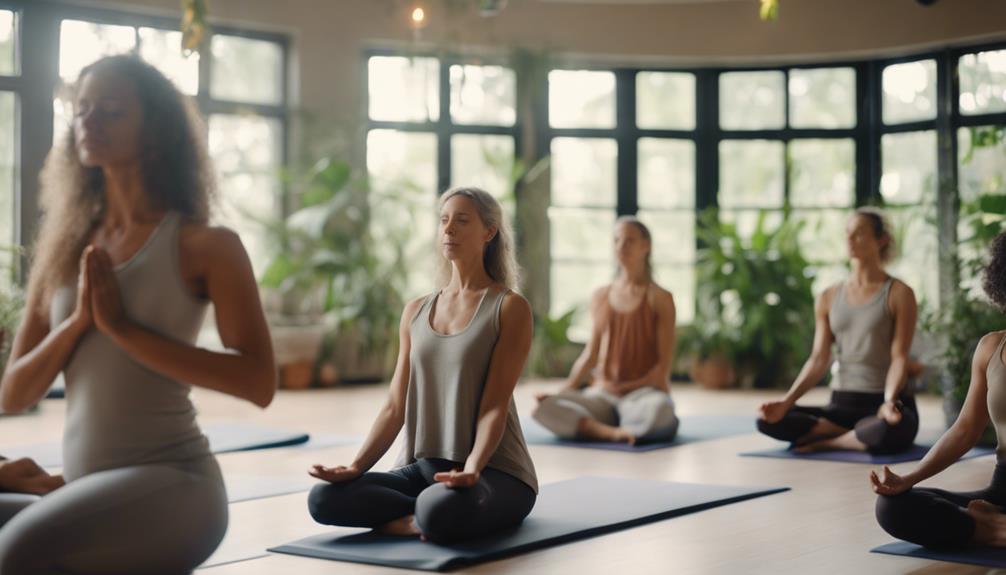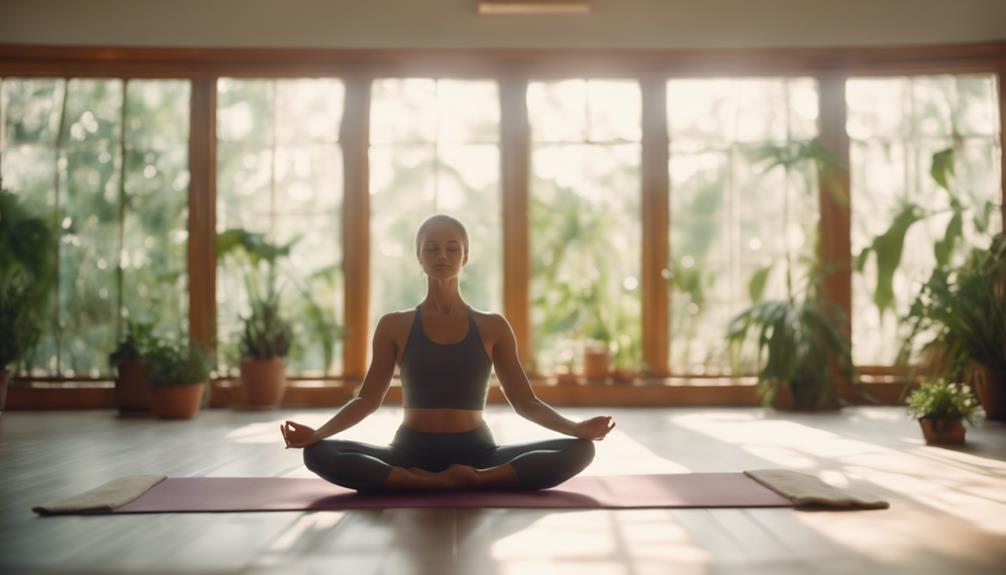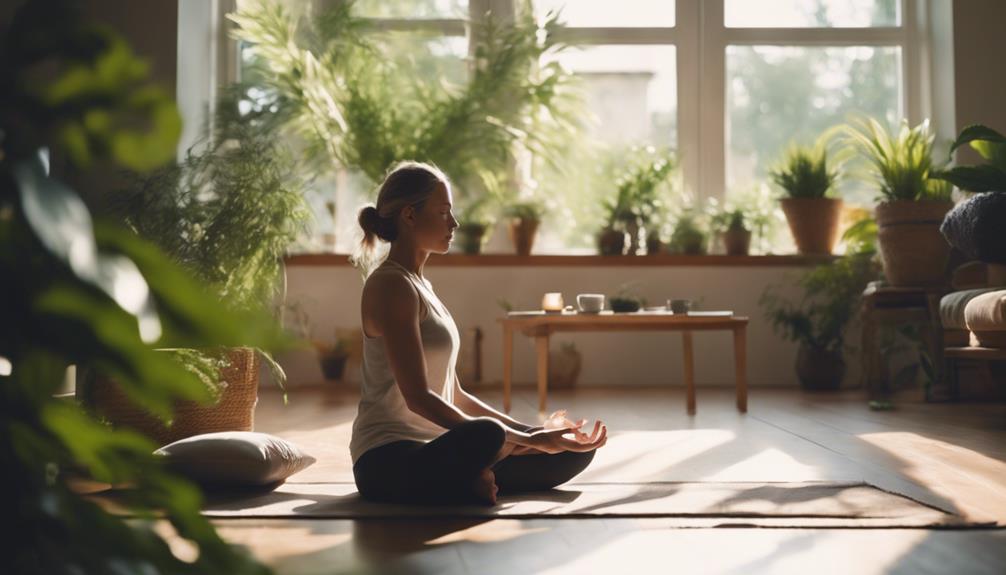
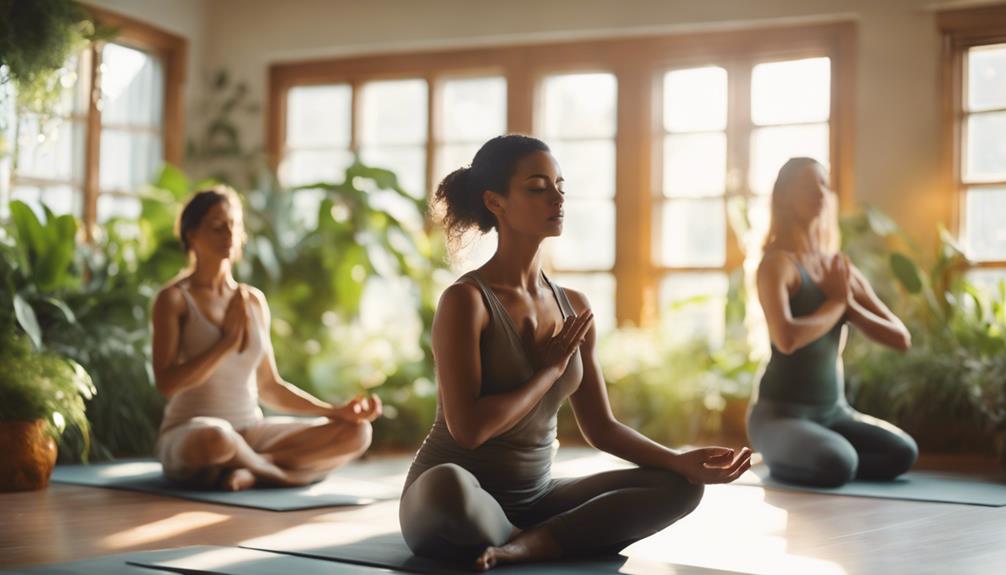
The best yoga outfit is one that lets you move, stretch, and breathe without distraction. You do not need specialised clothing to begin, but your choice of fabric, fit, and layers can make the class more comfortable. It also helps to consider the type of yoga you will practise and the temperature of the studio.
Choose breathable, flexible clothing
Yoga involves bending, twisting, reaching, and sometimes holding challenging positions. Choose clothes made from soft, breathable, stretchy fabric that moves with your body. Cotton and moisture-wicking materials can both be useful, depending on your preferences and the intensity of the class.
Good yoga clothing should feel comfortable throughout the session rather than requiring constant adjustment. Avoid anything that restricts your movement, digs into your skin, or becomes heavy and uncomfortable when you sweat.
Look for a secure but comfortable fit
Clothing that is too tight may limit your range of motion, while very loose garments can shift during forward bends, inversions, or transitions between poses. A close-fitting or neatly fitted outfit usually makes it easier to move confidently and see your alignment.
For tops, a fitted tank top or T-shirt can help prevent the fabric from riding up or falling over your face when you bend forward. For bottoms, leggings, capris, or well-fitting shorts are practical options. If you choose shorts, select a length and fit that allow you to move comfortably and provide the coverage you prefer.
Match your outfit to the class
Different styles of yoga can call for slightly different clothing choices. Consider the pace, temperature, and movements involved before you get dressed.
- Gentle or restorative yoga: Soft, comfortable clothing and light layers work well when the class includes slower stretches, relaxation, and longer periods of stillness.
- Vinyasa or power yoga: Form-fitting, flexible activewear can help you move freely during a faster-paced practice. A moisture-wicking top may feel more comfortable as your body warms up.
- Hot yoga: Lightweight, breathable clothing is generally the most practical choice in a heated room. Shorts, leggings, a tank top, or a supportive sports bra can help you stay comfortable as you sweat.
- Classes using equipment or unusual movement: If the session involves equipment or activities such as aerial or paddleboard yoga, avoid very loose clothing that could catch, tangle, or interfere with movement.
Use layers to manage temperature
A yoga studio may feel cool at the beginning of class and warmer once you start moving. Wearing layers gives you the flexibility to adjust as needed. A lightweight sweatshirt, long-sleeved top, or cover-up can be useful before class and during final relaxation, while a breathable base layer can keep you comfortable during active poses.
Choose layers that are easy to remove and store. If you sweat during practice, a moisture-wicking base layer can help keep you feeling drier. Layers can also provide extra coverage if that helps you feel more at ease while moving.
What to wear on your feet
Yoga is commonly practised barefoot, which allows your feet to make direct contact with the mat. If you prefer to wear socks, choose a pair with grips on the soles to help reduce slipping. Shoes are usually removed for the practice, so slip-on footwear can make changing easier when you arrive and leave.
Small details that improve comfort
Before class, check that waistbands, straps, and seams feel comfortable in both standing and seated positions. Avoid clothing with features that may press into you while lying on the mat. It is also useful to secure long hair and remove accessories that could distract you or become uncomfortable during poses.
Ultimately, there is no single correct yoga outfit. Prioritise comfort, breathability, freedom of movement, and the level of support or coverage you prefer. When your clothing stays in place and feels good, you can give more attention to your breathing and practice.