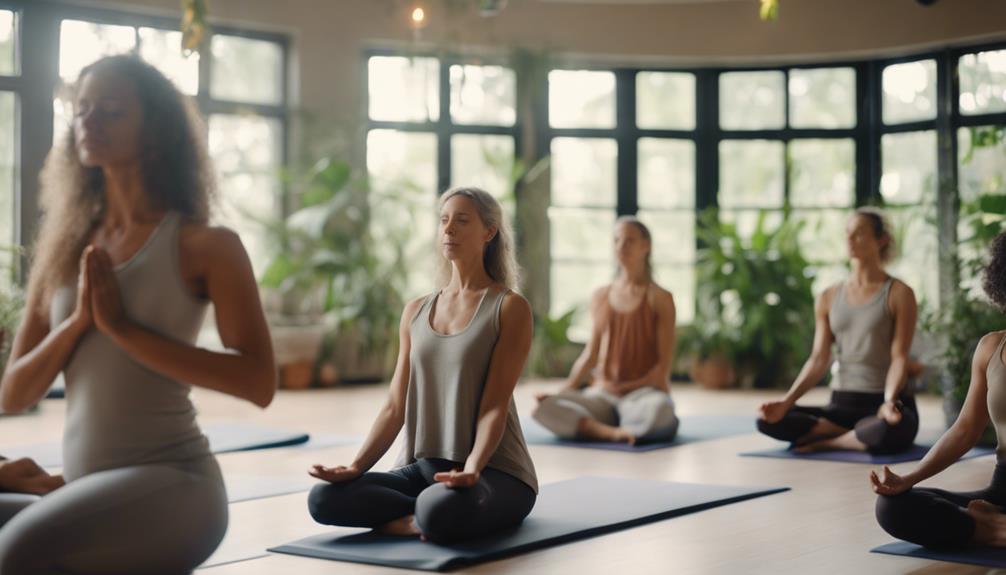
Yoga can contribute to physical fitness by combining controlled movement, sustained poses, stretching, breathing, and focused attention. Although it is often associated with relaxation, many forms of yoga provide a meaningful physical challenge. Depending on the style and the way it is practiced, yoga may help develop flexibility, muscular strength, balance, body awareness, and general movement control.
Yoga is not a single type of workout. Some sessions are gentle and restorative, while others move continuously between demanding poses. This variety makes it adaptable, but it also means that the physical benefits depend on the style, pace, duration, and level of difficulty.
How yoga supports physical fitness
Improved flexibility and mobility
Many yoga poses lengthen and stretch muscles while moving joints through controlled ranges of motion. Practicing regularly may help reduce feelings of stiffness and make everyday movements more comfortable. Improved mobility can also support activities such as walking, running, lifting, dancing, and sports.
Flexibility should be developed gradually. A deeper stretch is not automatically a better one, and forcing a pose can place unnecessary stress on muscles or joints. Consistent, controlled practice is generally more useful than trying to achieve an advanced position quickly.
Strength through bodyweight resistance
Yoga can build strength because many poses require you to support and control your bodyweight. Planks, standing poses, balancing positions, and transitions can challenge the arms, legs, shoulders, back, abdomen, and other stabilizing muscles. Holding a position steadily may be difficult even when the movement itself appears simple.
The strength developed through yoga can be useful for posture, movement control, and daily activities. However, the amount and type of strength gained will vary. A demanding yoga practice may challenge muscular endurance, while a complete strength-training program may be more suitable for someone whose main goal is maximum strength or significant muscle development.
Better balance and coordination
Balancing poses require concentration, controlled breathing, and awareness of body position. Over time, this practice can help improve coordination and the ability to make small adjustments while standing or moving. These skills can carry over to other physical activities that require stability and control.
Balance work can be adjusted for different abilities. Beginners can practice near a wall or use support while learning how to distribute their weight. Stability is more important than holding a pose for a long time or performing it without assistance.
Movement, endurance, and cardiovascular challenge
Some yoga styles use flowing sequences that keep the body moving and elevate the heart rate. Faster practices may challenge endurance and provide more of an aerobic effect than slower forms of yoga. The intensity depends on the sequence, the length of the session, the amount of rest, and the individual’s fitness level.
Gentle yoga can still be valuable, particularly as a way to move regularly, recover from harder exercise, or maintain mobility. It should not automatically be treated as a replacement for every other form of cardiovascular training, especially when improving aerobic capacity is the primary goal.
Body awareness and release of tension
Yoga places attention on breathing, alignment, and physical sensations. This can make it easier to notice tension, poor posture, or movement habits that might otherwise go unnoticed. Breathing and slower movement may also encourage relaxation, which can be helpful when stress contributes to muscle tightness or makes exercise feel difficult.
Yoga styles and their fitness focus
- Hatha yoga: Often emphasizes foundational poses, controlled movement, and breathing, making it a practical starting point for beginners.
- Vinyasa yoga: Links poses in flowing sequences and may provide a more active challenge for endurance, coordination, and strength.
- Power yoga: Usually uses a vigorous approach that can place greater demands on muscular endurance and overall conditioning.
- Hot or Bikram-style yoga: Takes place in a heated room and may feel especially demanding. Heat can make movement feel easier while also increasing the need to manage effort and hydration carefully.
- Yin yoga: Uses slower, longer-held poses and is more focused on gentle stretching, stillness, and flexibility than on cardiovascular conditioning.
Making yoga part of a balanced routine
Choose a style that matches your goals, experience, and current fitness level. A beginner may benefit from instruction that explains alignment and modifications, while someone seeking a stronger workout may prefer a more active class. Regular practice is more useful than occasional sessions that are too difficult.
For balanced fitness, yoga can be combined with other activities, such as walking, cycling, swimming, resistance training, or sport. Start gradually, warm up when appropriate, and stop if a movement causes sharp or unusual pain. People with injuries, health conditions, or specific physical limitations may want professional guidance before beginning a demanding practice.
Overall, yoga can help improve several important parts of physical fitness, particularly flexibility, balance, body control, and muscular endurance. Its greatest value may come from using it consistently and choosing a form that complements the rest of your activity routine.