Yin yoga is a quiet, slow-paced practice built around supported, mostly passive poses. Instead of moving quickly from one posture to the next, you settle into a shape and remain there for several minutes while observing the sensations in your body and the rhythm of your breath.
This approach makes Yin yoga a useful complement to more active forms of exercise and yoga. It also offers dedicated time to slow down, notice tension, and practise stillness. The goal is not to force a deeper stretch. A well-chosen Yin pose should create a manageable sensation that you can stay with calmly.
What makes a pose “Yin”?
Yin poses are generally held for longer than postures in a flowing or strength-focused yoga class. Muscles are encouraged to soften, while the body is supported in a steady position. Depending on the pose, you may feel sensations around the hips, spine, thighs, shoulders, or chest.
Everyone’s structure and range of motion are different, so there is no single correct shape. Use props, adjust your position, or come out of the pose whenever the sensation becomes sharp, painful, or overwhelming. Yin yoga should be approached with patience rather than intensity.
Benefits of practising Yin yoga
A regular Yin practice can create space for physical relaxation and mindful attention. Long, unhurried holds may support flexibility and comfortable joint movement, while the quiet pace can make it easier to focus on breathing and notice habitual tension.
Many people also use Yin yoga as a way to unwind at the end of the day. A short session before bedtime may provide a calming transition from activity to rest, although the effect can vary from person to person. Yin yoga is not a substitute for medical care, and persistent pain or sleep problems should be discussed with an appropriate professional.
Five accessible Yin poses
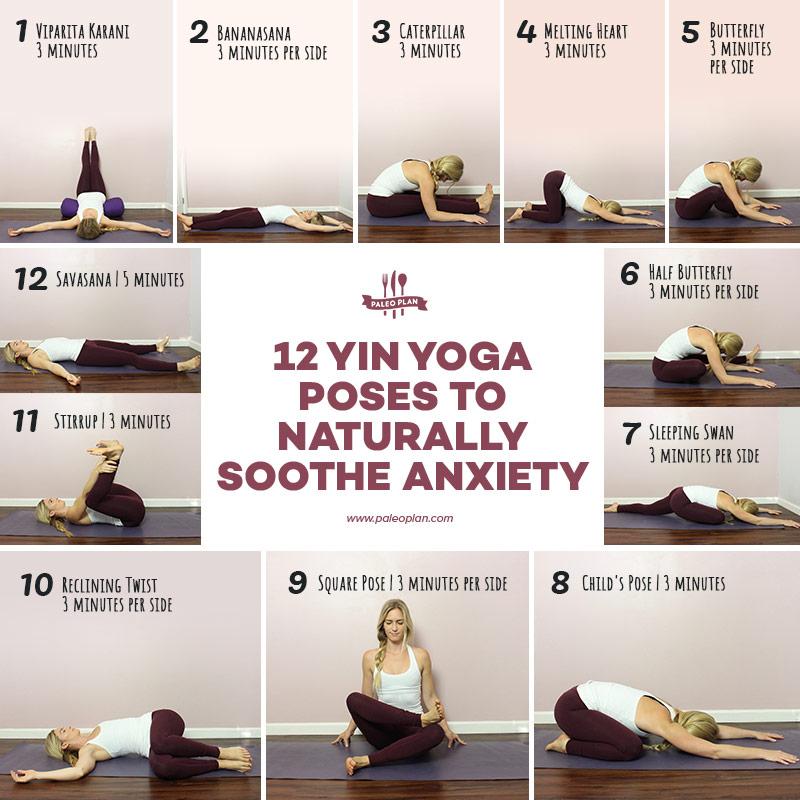
Child’s Pose
Begin on your knees and lower your torso toward your thighs. You can keep your knees together or separate them slightly, then rest your forehead on the floor, a cushion, or a bolster. Let your arms relax wherever they feel comfortable. This pose can provide a gentle resting position for the back, shoulders, and neck.
Butterfly Pose
Sit with the soles of your feet together and allow your knees to fall outward. Move your feet farther away if the stretch feels too strong, and support your knees with cushions if needed. You may remain upright or fold forward without forcing the movement. The pose is commonly used to explore sensations around the inner thighs and hips.
Sphinx Pose
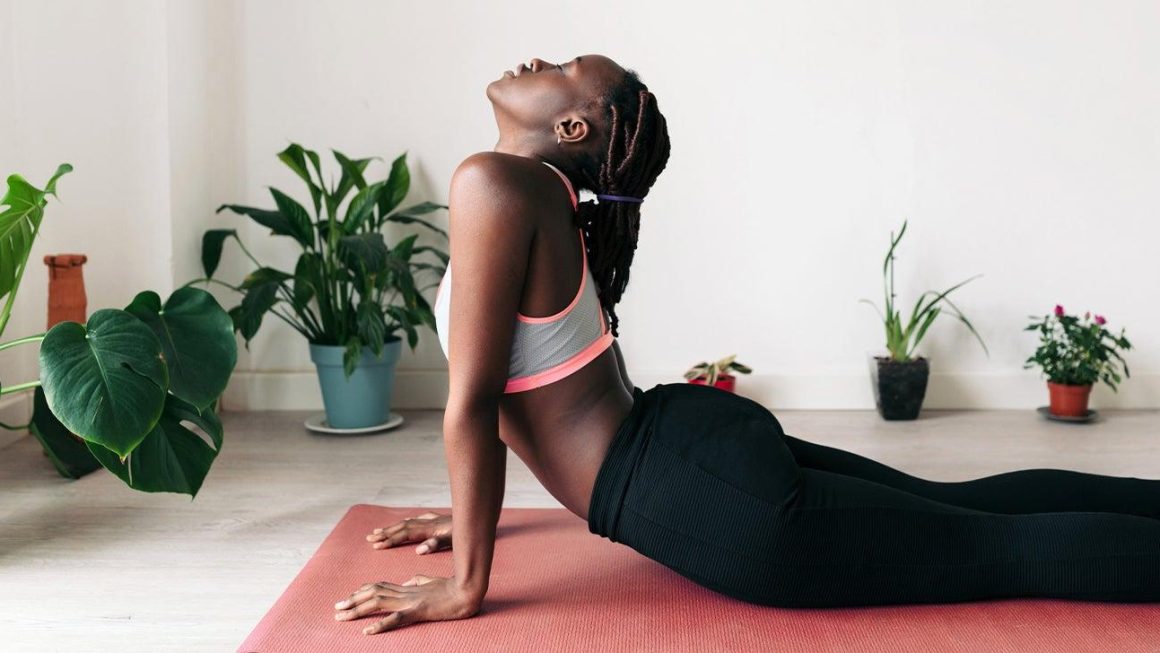
Lie on your stomach and place your forearms on the floor, with your elbows roughly beneath or slightly in front of your shoulders. Keep your legs relaxed and adjust the position of your arms to find a comfortable amount of extension through the spine. If you feel pinching in the lower back, lower your chest or leave the pose.
Dragon Pose
From a hands-and-knees position, step one foot forward into a lunge and place your hands on the floor or on blocks. Allow the back knee to rest on a folded blanket. Keep the front knee comfortable and reduce the depth of the lunge if necessary. Dragon Pose can create noticeable sensations around the hips and front of the back leg, so move into it gradually.
Supported Bridge Pose
Lie on your back with your knees bent and feet on the floor. Lift your hips enough to place a yoga block or firm support beneath the pelvis, then let your weight settle onto the support. Keep the height low enough to remain comfortable, and remove the prop slowly when leaving the pose. Stop if you experience back or neck discomfort.
How to build a Yin yoga session
Choose a quiet space and gather a mat, blanket, cushion, bolster, or blocks. Begin with a few relaxed breaths, then select two or three poses rather than trying to do everything at once. Hold each position for a duration that feels appropriate for your experience; shorter holds are often a sensible starting point.
- Move into each pose slowly and pause before settling deeper.
- Look for a mild to moderate sensation, not sharpness, numbness, or strain.
- Use props to support your body instead of pushing toward the floor.
- Breathe naturally and keep returning your attention to the present moment.
- After each pose, take a brief neutral rest to notice how your body feels.
- Leave the posture gradually, especially after a longer hold.
A simple closing rest
Finish by lying comfortably on your back or resting in another supported position for several minutes. Allow your breathing to return to its natural rhythm and notice any changes in warmth, tension, or energy. With consistent, unforced practice, Yin poses can become a practical way to combine gentle mobility work with relaxation and mindful rest.