Morning yoga does not need to be long, strenuous, or complicated. A few mindful movements can help you transition from sleep into the day by bringing attention to your breathing, loosening areas that feel stiff, and creating a calm starting point. Whether you have five minutes or half an hour, a simple practice can be adapted to your energy level and schedule. For a gentle start, explore beginner-friendly yoga routines that build confidence through simple morning movements.
This guide explains how to begin safely, suggests a gentle sequence for beginners, and offers practical ways to make morning yoga a habit.
Why practise yoga in the morning?
After sleep, it is normal for the body to feel less mobile, particularly around the neck, shoulders, spine, hips, and hamstrings. Slow stretches and controlled movement can help you become more aware of these areas without demanding an intense workout immediately after waking.
Morning practice can also provide a pause before the day becomes busy. Focusing on the breath and moving at an unhurried pace may help you feel more alert and mentally settled. The most useful routine is not necessarily the most advanced one; it is the routine you can return to regularly.
A gentle morning yoga routine
Use a mat or another comfortable, stable surface. Move slowly, especially during the first few minutes, and stop or modify any movement that causes pain.
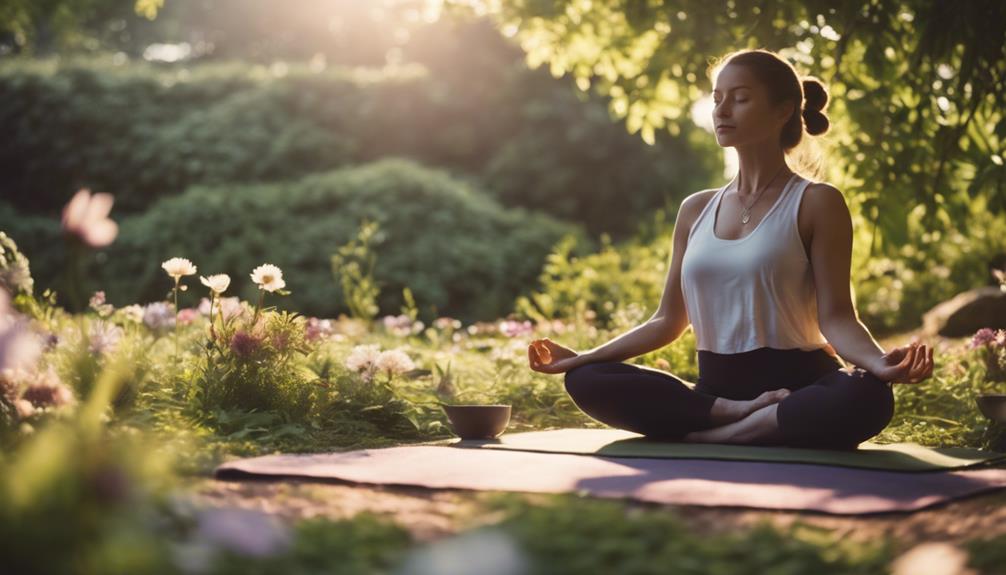
1. Seated breathing
Sit comfortably on the floor, a cushion, or the edge of a chair. Let your shoulders soften and take several steady breaths. There is no need to force a deep inhale or hold your breath. Simply notice the movement of your ribs and abdomen as you prepare to move.
2. Neck and shoulder movements
Lower your chin gently toward your chest, then return your head to a neutral position. Repeat on each side only within a comfortable range. Follow with slow shoulder circles, moving up, back, and down. Keep the movements relaxed rather than trying to stretch as far as possible.
3. Cat–Cow
Come onto your hands and knees, with your hands below your shoulders and your knees beneath your hips. As you inhale, gently lengthen the front of your body and lift your chest. As you exhale, round your spine comfortably and allow your head to follow the movement. Continue for several slow cycles, keeping the motion smooth.
4. Child’s Pose or a supported rest
Move your hips toward your heels and extend your arms forward, or rest your forearms on a cushion if reaching the floor is uncomfortable. You can also remain on hands and knees and take a few breaths there. This is a resting position, not a test of flexibility.
5. Low lunge variations
Step one foot forward between your hands and lower the back knee to the floor. Place your hands on blocks, books, or the floor, depending on what feels steady. Keep the front knee comfortable and avoid forcing the hips forward. Switch sides after several breaths. This movement can be useful after periods of sitting because it gently explores the front of the hip. Morning yoga can inspire a consistent home yoga practice through simple routines and mindful instruction.
6. Mountain Pose and a relaxed forward fold
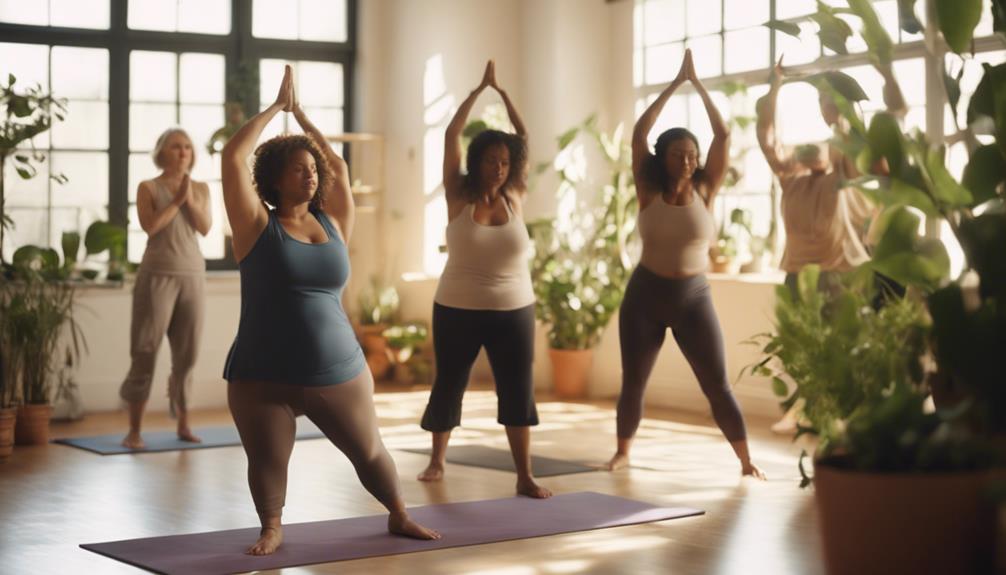
Stand with your feet comfortably apart and allow your arms to rest by your sides. Feel the contact between your feet and the floor while taking a few breaths. Then bend your knees and fold forward only as far as feels comfortable. Let your head and arms relax, and return to standing slowly by bending the knees and stacking the spine without rushing.
Choose the right length for your morning
A morning yoga practice can be adjusted to fit the time available:
- Three to five minutes: breathe, circle the shoulders, practise Cat–Cow, and finish standing tall.
- Ten minutes: include the complete sequence above, spending a few breaths in each position.
- Fifteen to twenty minutes: repeat the spine and hip movements at an easy pace, adding a longer seated rest at the end.
On busy mornings, a short session still counts. Keeping the routine brief can make it easier to begin, particularly when motivation is low or your body feels stiff.
Using guided morning yoga videos
A guided video can remove the need to remember the order of poses. Look for a session described as gentle, beginner-friendly, easy, or suitable for waking up. The supplied article specifically mentions Yoga with Adriene morning videos as an approachable option for people who prefer clear verbal guidance and encouragement. Choose a session that matches the time and energy you actually have rather than selecting a demanding practice you may avoid.
Keep the volume low enough to hear your breathing and instructions clearly. You can pause the video, skip a movement, or use a cushion or block whenever a pose needs adjustment.
Safety and consistency
Morning muscles and joints may feel less ready for deep stretching, so favour gradual movement over intensity. Bend your knees in forward folds, reduce the range of twists, and use support for seated positions when needed. Never push through sharp, sudden, or persistent pain.
If you have an injury, chronic pain, or a health condition, speak with a qualified healthcare professional before beginning a new exercise routine. During practice, let comfort and steady breathing guide you instead of trying to reproduce an ideal shape.
To make the habit easier, leave your mat where it is easy to see, decide on a realistic practice length, and begin before getting distracted by other tasks. Morning yoga is most sustainable when it feels manageable. Start with a few minutes, repeat the movements regularly, and expand the practice only when it genuinely suits your body and schedule.