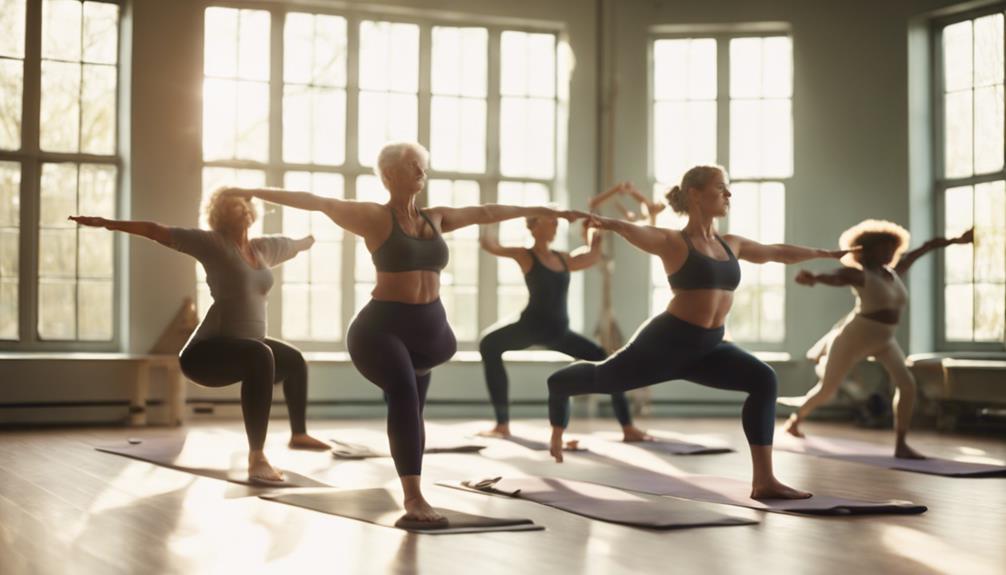
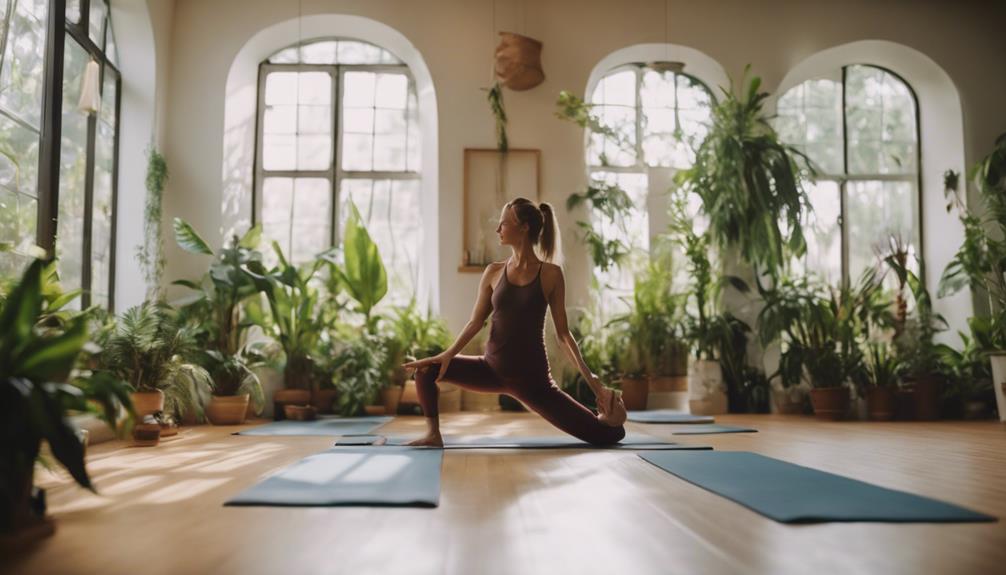
Breathing is automatic, yet stress and trauma can influence how a person breathes. Some people notice shallow chest breathing, frequent breath-holding, tension around the ribs, or an uneven rhythm. Gentle breath practices may help increase awareness, create a greater sense of choice, and support emotional regulation when used carefully. Explore mindful yoga practices to complement breathing techniques, support trauma release, and cultivate lasting wellness.
Breathing techniques are not a cure for trauma, and they do not need to produce a dramatic emotional release to be useful. Their purpose is to help establish enough steadiness to notice what is happening in the body without becoming overwhelmed. A gradual, choice-based approach is especially important for anyone with a history of trauma, panic, dissociation, or severe anxiety.
Why trauma can change the breath
Trauma can affect the autonomic nervous system, which helps regulate functions such as breathing, heart rate, and alertness. When the body remains prepared for danger, the breath may become quick, tight, shallow, or held. At other times, a person may feel disconnected from bodily sensations altogether.
Noticing these patterns without judgment can be a useful starting point. Instead of forcing the breath to become deep or calm, begin by asking: Is the breath comfortable? Where can movement be felt? Would a smaller breath or an open-eyed practice feel safer right now?
Gentle breathing techniques to try
Diaphragmatic or lower-rib breathing
Sit or lie in a supported position, with your eyes open or softly focused if that feels more comfortable. Allow the breath to move naturally, then notice whether the lower ribs or abdomen expand slightly during the inhale. Let the exhale leave without pushing it out. The goal is not to take the biggest breath possible, but to encourage an easy, unforced pattern.
Try this for one to three minutes. If focusing on the abdomen feels uncomfortable, place attention on the movement of the ribs, the air at the nostrils, or the contact between the body and the floor.
A slightly longer exhale
When it feels comfortable, inhale gently for a count of three and exhale for a count of four. The numbers are only guides; reduce them or abandon counting if it creates pressure. A modestly longer out-breath may support a feeling of settling, but it should never feel like a test of endurance.
Equal-count breathing
Box breathing uses an inhale, a pause, an exhale, and another pause for equal counts. For example, each part might last two counts. Because breath-holding can feel activating for some people, begin without the pauses or use very brief ones. Keep the practice short and stop if you feel light-headed, tense, or disconnected.
Ujjayi-style breathing
Ujjayi breathing is a yoga technique involving a gentle narrowing at the back of the throat, creating a soft, ocean-like sound. Used lightly, the sound can provide an anchor during mindful movement. It should not feel strained, loud, dry, or restrictive. If throat-focused breathing feels uncomfortable, return to a natural breath. For deeper trauma release, explore controlled yogic breathing to develop steadier, more intentional breath patterns.
Steady rhythmic breathing
Some people prefer a smooth rhythm of approximately six breaths per minute, often called resonant breathing. This pace is not suitable for everyone, so begin with a rhythm that feels natural rather than trying to match a specific number. The breath should remain quiet, comfortable, and free from effort.
Pairing breath with mindful movement
Breath practices can be integrated into a short, supportive yoga routine:
- Begin seated or lying down with one minute of simply noticing the breath.
- Add gentle shoulder, rib, or spinal movements that do not cause pain.
- Coordinate easy movement with a natural inhale and exhale, without forcing the timing.
- Finish in a supported resting position or seated posture while observing sensations.
Keep the practice predictable and brief. Props, open eyes, a nearby wall, and the option to change position can all help maintain a sense of control. A person should always be free to skip an exercise, return to ordinary breathing, or stop completely.
Signs to pause and seek support
Breathing practice should be paused if it brings intense panic, dizziness, numbness, overwhelming memories, nausea, pain, or a strong sense of detachment. Return attention to the room: name a few visible objects, feel your feet on the floor, or take a break and move gently.
People living with complex trauma, severe anxiety, panic disorder, or dissociation may benefit from working with a qualified mental-health professional or a trauma-informed yoga teacher. A supportive practitioner should explain the exercise, invite consent, avoid pressure, and respect boundaries. Breathwork should complement appropriate care, not replace it.
Building a sustainable practice
Start with two to five minutes at a consistent time, perhaps several times a week. Record a few observations afterward: Did the practice feel grounding, neutral, or activating? Which position and technique offered the most choice? Let those responses guide future sessions.
The most useful breathing practice is one that feels manageable enough to repeat. With patience, gentle attention to the breath can support body awareness, steadiness, and a greater sense of agency without demanding that difficult emotions disappear.