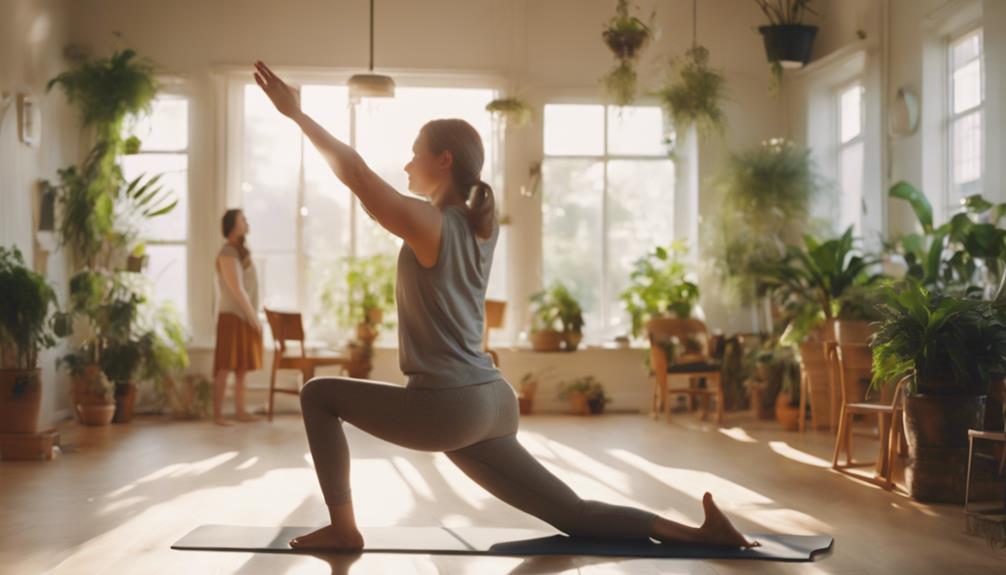
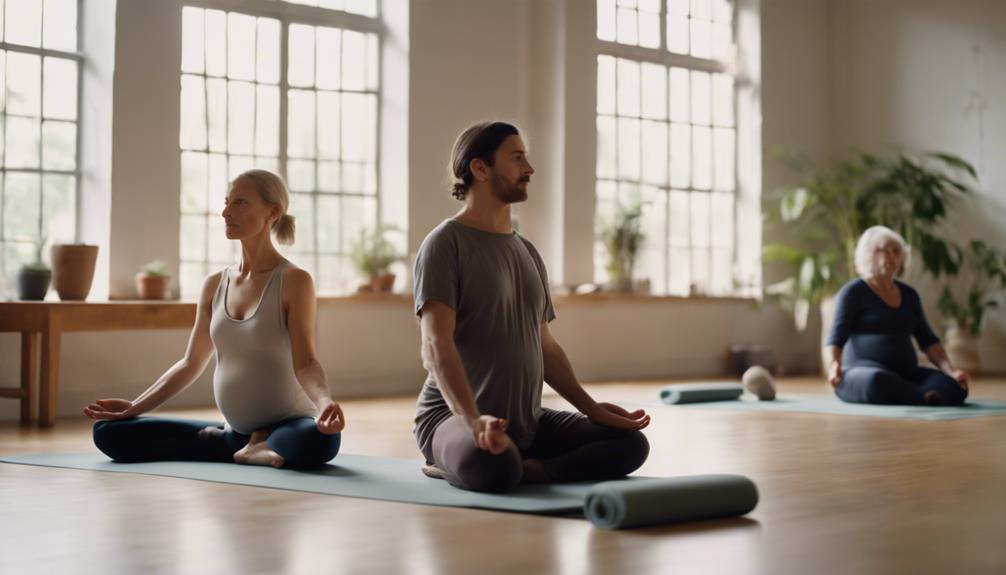
Depression can affect energy, sleep, motivation, concentration, and the ability to enjoy everyday activities. Yoga may offer a gentle way to support mental health by combining movement, breathing, relaxation, and mindful attention. It is not a cure or a replacement for professional treatment, but it can be a useful part of a broader plan for managing depressive symptoms. Exploring wellness and mindfulness can complement yoga practices that support emotional balance and recovery from depression.
A helpful yoga routine does not need to be intense or lengthy. For someone experiencing low energy or reduced motivation, a few minutes of slow, comfortable movement may be a more realistic starting point than a demanding class. The aim is to create a repeatable practice that supports steadiness rather than adding pressure.
How yoga may affect mood
Yoga brings together several elements that can influence how the body and mind respond to stress. Gentle physical activity may ease muscular tension, while slower breathing can encourage a calmer physiological state. Mindfulness also gives you an opportunity to notice thoughts, emotions, and body sensations without immediately judging or reacting to them.
These effects may help some people feel less agitated, more grounded, or better able to cope with difficult moments. Regular practice may also support sleep and create a predictable pause in the day. Benefits are usually gradual, and individual responses vary. Yoga should be viewed as supportive self-care rather than a guaranteed treatment for depression.
What the evidence suggests
Research into yoga for depression and anxiety has reported improvements in mood, anxiety symptoms, and quality of life in some participants. However, studies differ in their methods, the styles of yoga used, and the people involved, so the findings should be interpreted realistically. The strongest practical conclusion is that yoga may be helpful as an adjunct to established care, including psychotherapy or medication when those treatments are recommended.
If you are already working with a therapist, doctor, or psychiatrist, you can discuss how yoga might fit into your care plan. Tracking changes in sleep, energy, mood, and anxiety over several weeks may help you identify whether the practice is useful for you.
Gentle yoga positions for depression
No single posture is proven to relieve depression, and you should never force a position. Choose comfortable variations, use cushions or a wall for support, and stop if you feel pain, dizziness, or distress. The following poses can be adapted for a quiet home practice: Yoga’s breathing practices may ease depressive symptoms while teaching clients healthier, more deliberate patterns of breath.
- Child’s pose: Kneel and fold forward over a cushion, or rest your upper body on a chair or stacked pillows. Keep the pose restorative rather than forcing the hips toward the heels.
- Supported bridge pose: Lie on your back with knees bent and feet on the floor. Lift the hips gently, or place a firm cushion beneath the pelvis for a supported variation. Leave the spine neutral and breathe comfortably.
- Legs up the wall: Lie beside a wall and rest your legs against it, or keep the knees bent with your lower legs on a chair. This is a restful option when standing practice feels difficult.
- Supported forward fold: Sit or stand and lean forward onto a chair, bolster, or pillows. Keep the movement easy and avoid pulling on the neck or hamstrings.
- Gentle seated twist: Sit comfortably and rotate slightly from the upper body while keeping the breath smooth. The movement should feel spacious, not restrictive.
During each pose, try slow, natural breathing. You might inhale gently through the nose and make the exhale slightly longer, provided this feels comfortable. If focusing on the breath increases anxiety, return attention to the support beneath your body or to sounds in the room.
Creating a manageable routine
Depression can make ambitious goals feel overwhelming, so begin with a small commitment. For example, practice for 10 to 20 minutes three times a week, or complete one posture and a few minutes of breathing on difficult days. Consistency matters more than intensity.
A simple session could include:
- One or two minutes of comfortable breathing and settling.
- Several minutes of gentle movement, such as shoulder rolls, supported standing stretches, or slow transitions.
- Two or three restorative postures held without strain.
- A short period of lying down, seated mindfulness, or guided relaxation.
Afterward, make a brief note of how you feel physically and emotionally. Do not expect every session to produce an immediate lift in mood. The value may be in developing a dependable habit and learning which practices feel supportive over time.
When to seek professional support
Contact a qualified mental health professional if depressive symptoms are persistent, severe, worsening, or interfering with daily life. Yoga should not replace an evaluation, psychotherapy, medication, or other care that may be appropriate. If you are experiencing suicidal thoughts or feel unable to stay safe, seek urgent help from local emergency services or a crisis service in your area.
A qualified instructor may be able to offer a gentle, trauma-sensitive approach and modify postures for injuries, illness, pregnancy, or limited mobility. With realistic expectations and appropriate support, yoga can be one compassionate, practical addition to a depression-care and mindfulness routine.