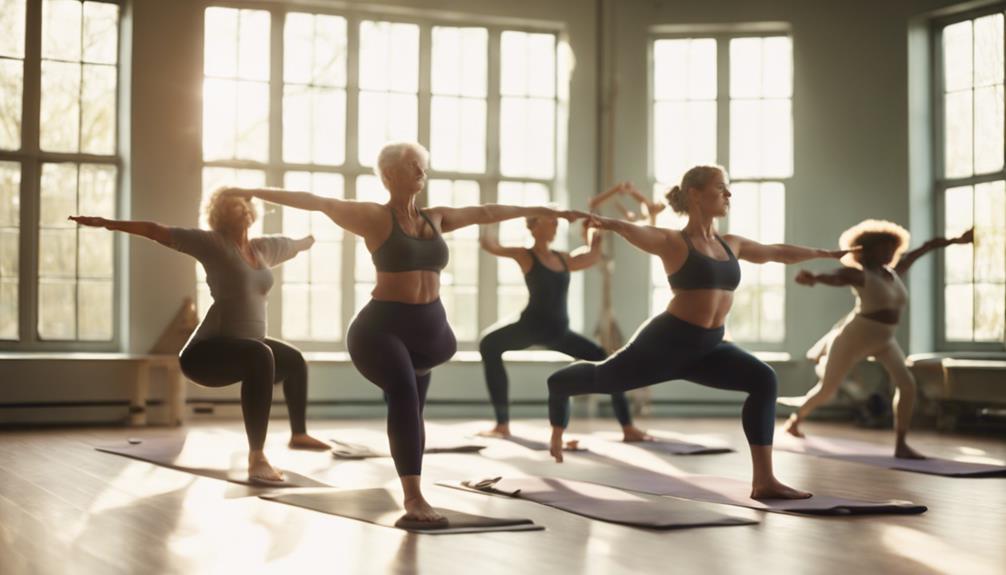
Yoga can offer a practical way to reconnect with your body when stress or anxious thoughts feel overwhelming. Slow movement, steady breathing, and attention to physical sensations create a break from constant mental activity. You do not need to be flexible or experienced to begin; a few supported poses practiced gently may be enough to help you feel more settled. Explore mindful wellness practices to complement stress-relieving poses and cultivate greater calm throughout your daily routine.
The poses below are intended for relaxation and grounding. Move slowly, keep your breathing comfortable, and treat the practice as an opportunity to listen to your body rather than perform perfectly.
How yoga may help with stress and anxiety
Stress often shows up physically as tight shoulders, shallow breathing, a tense jaw, restlessness, or difficulty relaxing. Yoga combines conscious breathing with deliberate movement, which can help shift attention away from spiralling thoughts and toward the present moment. Restorative poses also give the body a chance to pause and release unnecessary effort.
Yoga is not a replacement for mental health care, particularly when anxiety is severe, persistent, or interfering with daily life. It can, however, be a useful complementary practice alongside appropriate professional support.
Grounding yoga poses
Mountain Pose (Tadasana)
Stand with your feet about hip-width apart, or bring them closer if that feels stable. Let your arms rest by your sides. Notice the contact between your feet and the floor, soften your shoulders, and take several slow breaths. Rather than forcing a rigid posture, imagine your head lifting gently while your feet remain grounded.
Mountain Pose is a simple way to practise steadiness and body awareness. It can be useful when you feel scattered or disconnected from the present.
Tree Pose (Vrksasana)
From standing, shift your weight onto one foot. Place the sole of the other foot against the inner calf or thigh, avoiding the knee. You can also keep the toes on the floor for extra support. Rest your hands at your chest or use a wall for balance. Focus on one unmoving point and breathe naturally, then change sides.
Balance is optional. The main purpose is to give your attention one clear, manageable task.
Standing Forward Fold
Stand with your knees softly bent and fold forward from the hips. Let your head and arms relax toward the floor, a chair, or a stack of cushions. Keep the knees bent enough to avoid pulling on the backs of your legs. Stay for a few comfortable breaths before slowly rising.
If folding makes you dizzy or uncomfortable, skip this pose and choose a supported seated position instead.
Restorative poses for relaxation
Child’s Pose (Balasana)
Kneel and sit back toward your heels, then fold your torso forward. Rest your forehead on the floor, a cushion, or a bolster. Your arms can extend forward or rest alongside your body. Widen your knees if that makes breathing easier, and remain for several slow breaths. Explore yoga’s mood benefits to understand how calming poses can support emotional balance beyond stress relief.
Use a cushion under your chest if the floor feels too far away. You should be able to breathe comfortably without forcing the body into a deeper fold.
Legs Up the Wall (Viparita Karani)
Sit beside a wall and gently turn onto your back as you bring your legs up to rest against it. Keep your hips a comfortable distance from the wall; they do not need to touch it. Let your arms rest wherever they feel relaxed and stay for a few minutes.
This supported position requires little effort and can be included at the end of a practice or during a quiet evening. Come out slowly by bending your knees and rolling onto your side before sitting up.
Reclining Bound Angle Pose
Lie on your back and bring the soles of your feet together, allowing your knees to open. Place cushions or folded blankets beneath the thighs if your hips feel strained. Rest your hands on your abdomen or by your sides and breathe without trying to deepen the stretch.
If this position does not feel restful, keep the knees bent with the feet on the floor instead.
Corpse Pose (Savasana)
Lie on your back with your legs comfortably apart and your arms resting by your sides. Support your knees with a cushion if your lower back feels tense. Close your eyes only if that feels safe; otherwise, keep a soft gaze. Notice the movement of your breath and allow your muscles to become less active for two to five minutes.
A simple 10-minute routine
- Begin with one minute of comfortable, natural breathing.
- Practise Mountain Pose for several breaths, followed by Tree Pose on each side.
- Move into Child’s Pose or a supported Standing Forward Fold.
- Rest in Legs Up the Wall or Reclining Bound Angle Pose for three to five minutes.
- Finish with Savasana and notice how your body feels before returning to your day.
Consistency matters more than duration. A short practice that feels manageable is easier to maintain than an intense session that leaves you more tired or tense. You can also use one pose, such as Mountain Pose or Child’s Pose, during a busy day as a brief grounding exercise.
Practise safely
Yoga should not cause sharp pain, breathlessness, dizziness, or a significant increase in panic. Come out of a pose whenever necessary and use a wall, chair, cushions, or blankets for support. If lying down or closing your eyes feels uncomfortable, keep your eyes open and choose a seated practice.
For frequent panic, severe anxiety, trauma-related symptoms, or concerns about your wellbeing, seek guidance from a qualified mental health professional. A teacher experienced in trauma-sensitive or restorative yoga may also help you adapt the practice to your needs.