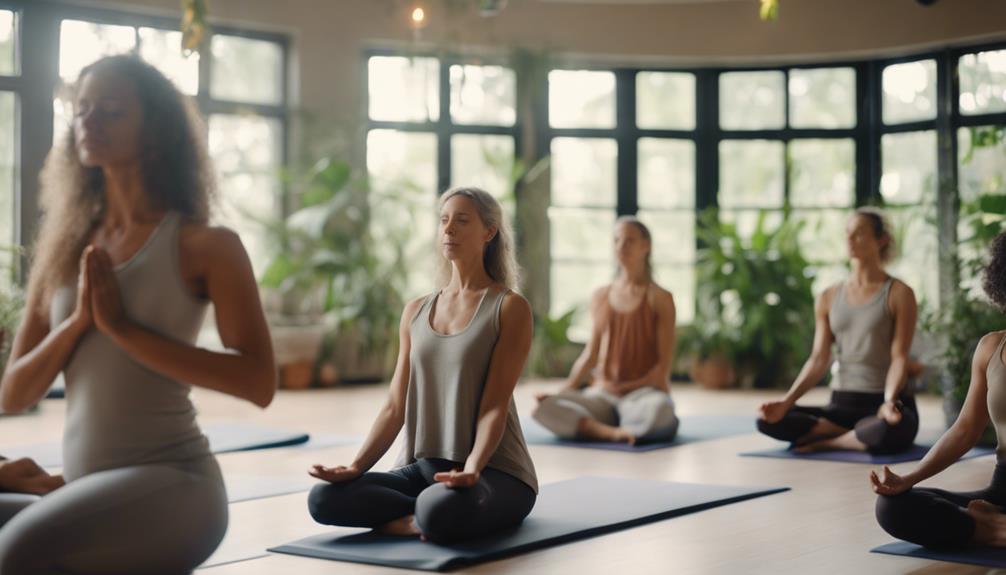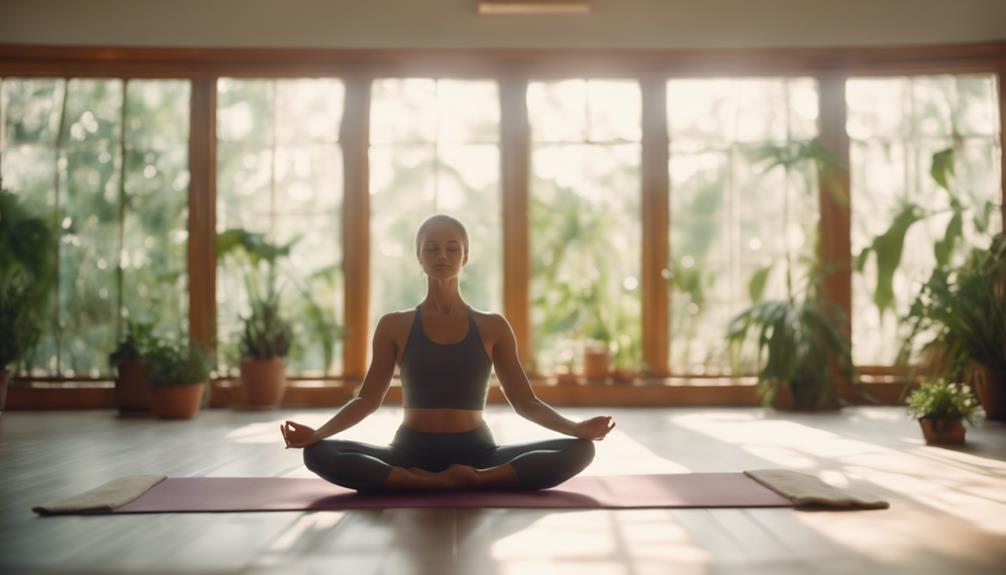
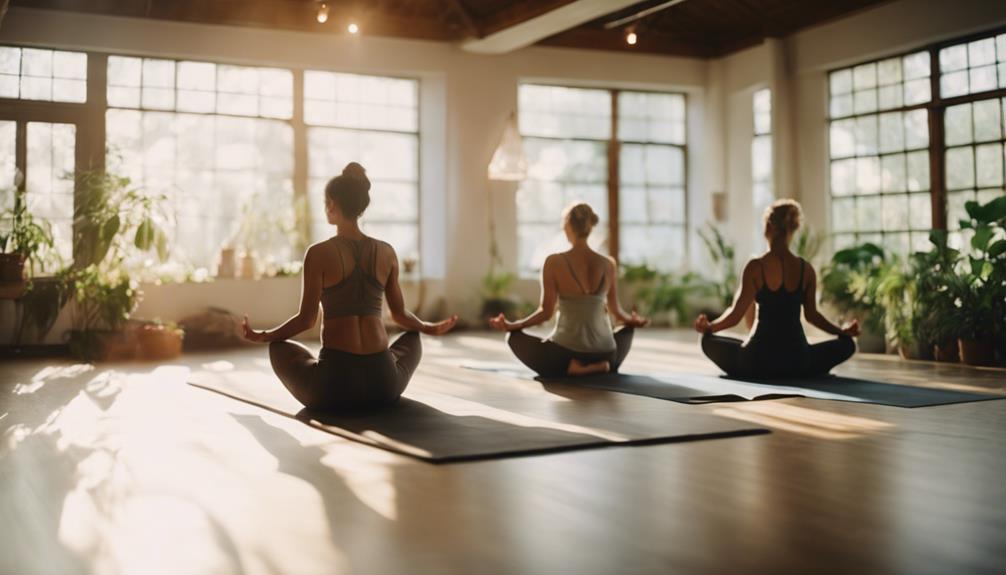
Yoga does not have to mean committing to a long class or completely rearranging your schedule. A short, consistent practice can create space for movement, focused breathing, and a calmer transition between parts of the day. The most effective routine is one that fits your life well enough to repeat.
Choose a time you can realistically protect
Start by looking at your existing schedule rather than trying to force yoga into an idealised routine. Consider when you usually have the most energy and when you are least likely to be interrupted.
- Morning: A brief sequence can help you begin the day with deliberate movement and attention.
- Midday: A few minutes of stretching and steady breathing can provide a useful pause during a busy day.
- Evening: Gentle poses and slower breathing may help you shift out of work or daily responsibilities.
Your preferred style may also influence the best time. You might enjoy a more active flow when you feel alert and a quieter, restorative practice later in the day. Try different options for a week at a time and notice which schedule feels easiest to maintain.
Begin with a manageable amount
If yoga is new to you, begin with 10 to 15 minutes rather than setting an ambitious target. A short practice is easier to fit into a busy day and gives you time to become familiar with basic poses, breathing, and transitions without making the habit feel overwhelming.
A simple session might include a few minutes of comfortable breathing, gentle movements for the spine and hips, several familiar standing or seated poses, and a quiet finish. The goal at first is not to complete a demanding sequence. It is to establish a repeatable moment of practice.
Once a short routine feels natural, you can extend it when you have the time and energy. On especially busy days, keeping the practice brief still allows you to maintain continuity.
Create a space that supports the habit
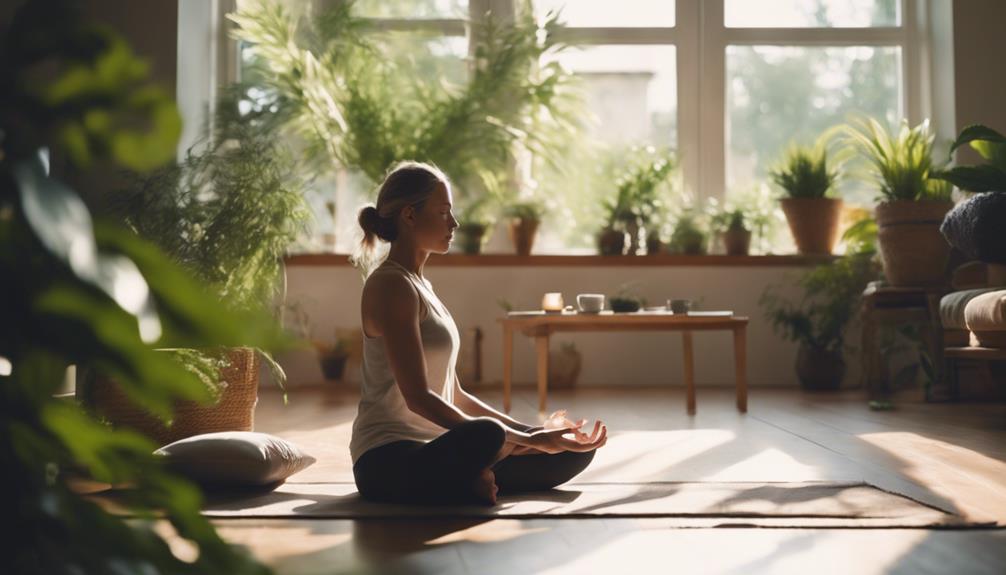
A dedicated practice area can reduce the number of decisions between you and the mat. It does not need to be a separate room. A clear section of a bedroom, living room, or another quiet area may be enough, provided you have room to move safely.
Keep the space free of unnecessary clutter and prepare the equipment you regularly use, such as a mat or supportive blocks. You can make the area more inviting with simple personal touches, but comfort and accessibility matter more than decoration. If your practice space is easy to reach, you are more likely to use it.
Build reminders into your routine
Link yoga to something you already do each day. For example, practise after getting dressed, before your lunch break ends, or after completing your evening routine. This approach gives yoga a natural place in your schedule instead of relying entirely on motivation.
Calendar reminders, a visible mat, or a short checklist can also help. Decide in advance what counts as a successful practice. On one day, that may be a full session; on another, it may be several stretches and a few minutes of breathing. Clear, flexible expectations make it easier to keep going.
Adjust the practice to your needs
Yoga can be adapted to your energy, available space, and experience. Choose slower movements when you feel tired and a more active sequence when you want to move. You can practise standing, seated, or with support, depending on what feels appropriate.
Move with attention rather than forcing a pose. If a movement causes pain, stop and choose a gentler alternative. Beginners may benefit from learning foundational poses with qualified instruction, particularly if they have an injury or a health concern that could affect movement.
Focus on consistency, not perfection
A daily yoga routine is built through regular returns, not flawless sessions. Some practices will be energetic, while others may be little more than a pause to breathe and stretch. Both can reinforce the habit.
Review your routine after a couple of weeks. If the time, length, or location is not working, change it rather than abandoning the practice. A realistic schedule, a welcoming space, and small repeatable sessions can make yoga a lasting part of your day.