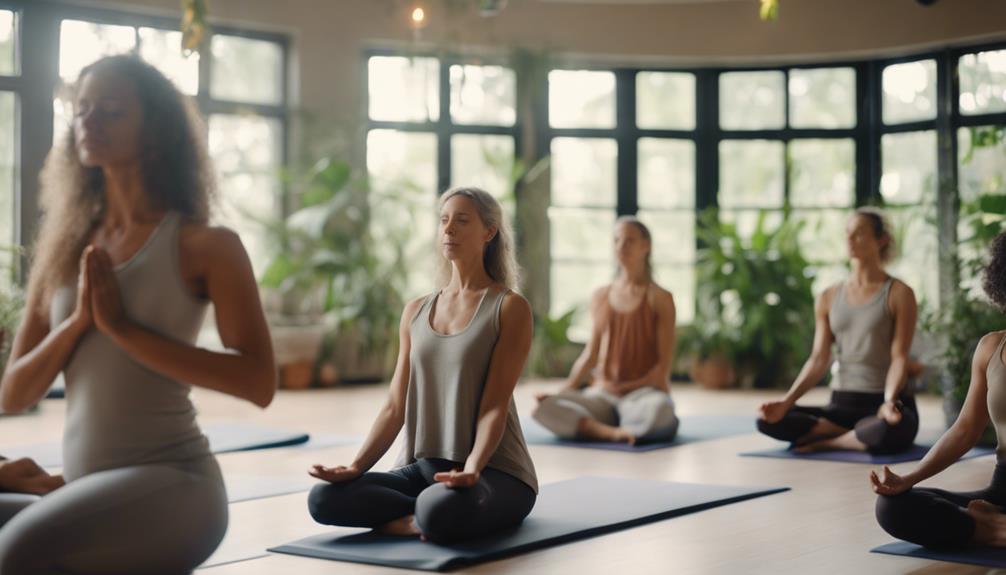
Choosing a yoga style can feel confusing when classes differ so much in pace, intensity, and focus. Some practices are physically demanding, while others place greater emphasis on relaxation, flexibility, breathing, or stillness. The best choice depends less on which style is considered “best” and more on what suits your body, goals, preferences, and daily routine.
Start with your goals
Before booking a class, consider what you want yoga to add to your life. You may be looking for a gentle introduction to movement, a more challenging workout, help with flexibility, or time to slow down and reduce stress. Identifying your main purpose will narrow the options.
- For a beginner-friendly foundation: Hatha and Iyengar classes often move at a measured pace and may give more attention to alignment, breathing, and learning individual poses.
- For strength, stamina, and an active workout: Vinyasa or Power yoga may be a better fit. These practices typically link poses in a flowing sequence and can feel more physically demanding.
- For relaxation and flexibility: Yin and Restorative yoga offer a slower experience. Poses are generally held for longer periods, with Restorative classes using support from props to make positions more comfortable.
These descriptions are useful starting points rather than strict rules. The experience can vary between teachers and classes, even when they share the same name.
Consider your current fitness level
Your starting point matters. If you are new to yoga, have not exercised regularly, or prefer to learn gradually, a beginner, Hatha, or slower-paced class may make it easier to understand the movements and develop confidence. A class that allows time for instruction can also help you decide whether you enjoy yoga before committing to a more intense practice.
If you already have experience with exercise and want a faster-moving challenge, Vinyasa or Power yoga may be appealing. However, an active class is not automatically the right choice simply because you are fit. Yoga involves unfamiliar movements for many people, so it is sensible to increase intensity progressively and pay attention to how your body responds.
Take physical needs and limitations seriously
Any injuries, persistent pain, or other physical limitations should influence your choice. A gentler class may be more appropriate than one involving rapid transitions or demanding poses. Let the teacher know about relevant concerns before class begins, and do not force a position that causes pain.
Yoga can be adapted, but not every class will offer the same level of individual guidance. If you are recovering from an injury or have a health condition, seek advice from an appropriate healthcare professional about what kinds of movement are suitable for you. Choose a teacher and class environment where modifications are welcomed rather than treating discomfort as something to ignore.
Match the practice to your personality
The atmosphere of a class can be just as important as its physical content. Some people enjoy clear structure and detailed technical instruction. Others prefer a creative sequence, music, or a more fluid approach. If your priority is mental quiet, a slower practice may be more satisfying than a demanding class, even if you originally intended to use yoga as exercise.
Notice how you feel during and after a class. Do you leave energised, calm, focused, or overly fatigued? A useful yoga style should challenge you at an appropriate level without making you dread the next session.
Make the practical choice easy
A style is more likely to become part of your routine if the class fits your schedule and location. Consider:
- How much time you can realistically set aside
- Whether the class location is convenient
- Available class times and your weekly commitments
- Whether you prefer a studio, home practice, or online instruction
- Whether the cost and equipment requirements are manageable
A theoretically perfect class is of limited value if it is difficult to attend consistently. Choose an option that works with your actual life rather than an idealised schedule.
Try more than one style
You do not have to make a permanent decision after one class. Try introductory sessions in several styles and compare how each one feels. Pay attention to the pace, teaching style, level of physical effort, and atmosphere. If a class does not suit you, that does not mean yoga as a whole is unsuitable.
You may also prefer different styles at different times. An active practice might suit an energetic day, while Yin or Restorative yoga may be more appealing when you need to slow down. Start with the style that best matches your present needs, then allow your practice to change as those needs change.