Yoga is often introduced as a series of physical postures, but its purpose extends beyond movement. By combining poses, conscious breathing, meditation, and relaxation, yoga offers a way to develop greater awareness of the relationship between the body and mind. For many people, that awareness can support a calmer, more balanced approach to everyday life.
What Yoga Offers
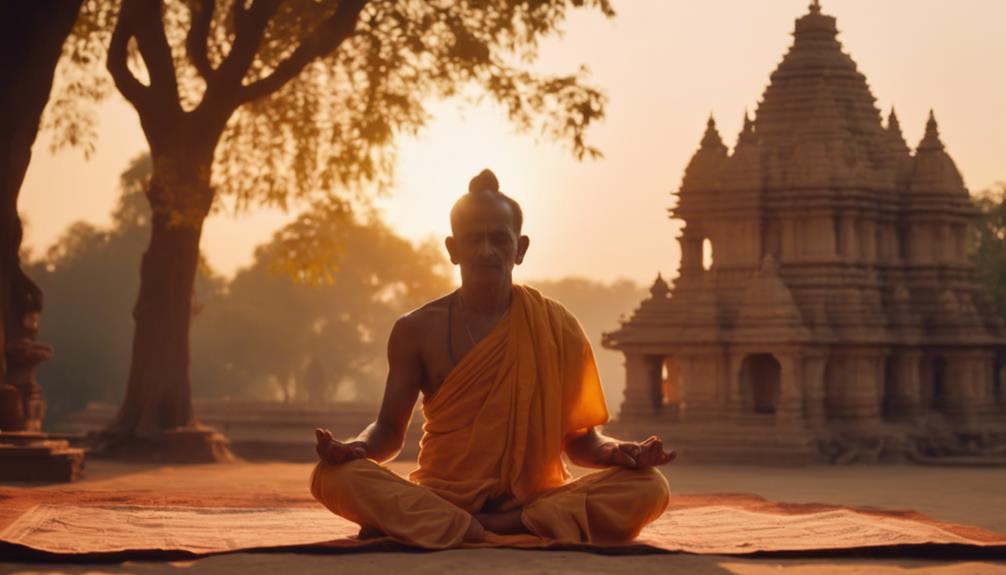
Yoga has its roots in ancient India and has developed into many different styles and approaches. Although practices vary, they commonly encourage attention, steady breathing, and mindful movement rather than simply focusing on physical performance.
A regular yoga practice may support several areas of well-being:
- Flexibility and mobility: Poses move the body through different ranges of motion and can help practitioners become more familiar with how their bodies feel.
- Strength and balance: Many postures require controlled effort, stability, and awareness of alignment.
- Posture and body awareness: Paying attention to positioning can make it easier to notice habits such as unnecessary tension or slouching.
- Relaxation: Slow breathing and restorative practices can create space to pause and release some physical and mental tension.
- Mindfulness: Staying with the breath and present movement can make it easier to observe thoughts without immediately reacting to them.
These benefits are not separate from one another. As practitioners become more attentive to their bodies, they may also notice how stress affects their breathing, posture, and emotions. That recognition can become a useful first step toward responding with greater patience and self-compassion.
Choosing a Style of Yoga
There is no single way to practise yoga. Different styles suit different preferences, energy levels, and experience. Exploring a few approaches can help you find a practice that feels supportive rather than overwhelming.
Hatha yoga
Hatha yoga commonly places emphasis on physical postures, breathing, and controlled transitions. Its measured pace can provide a useful introduction for beginners who want to learn basic poses and develop comfort on the mat.
Vinyasa yoga
Vinyasa links breath with movement in a continuous sequence. The flowing format can feel more active and may appeal to people who enjoy changing from one posture to the next while maintaining concentration.
Yin yoga
Yin yoga generally uses longer-held, quieter postures. This slower approach invites stillness and reflection, making it suitable for people who want to place more emphasis on patience, release, and inward attention.
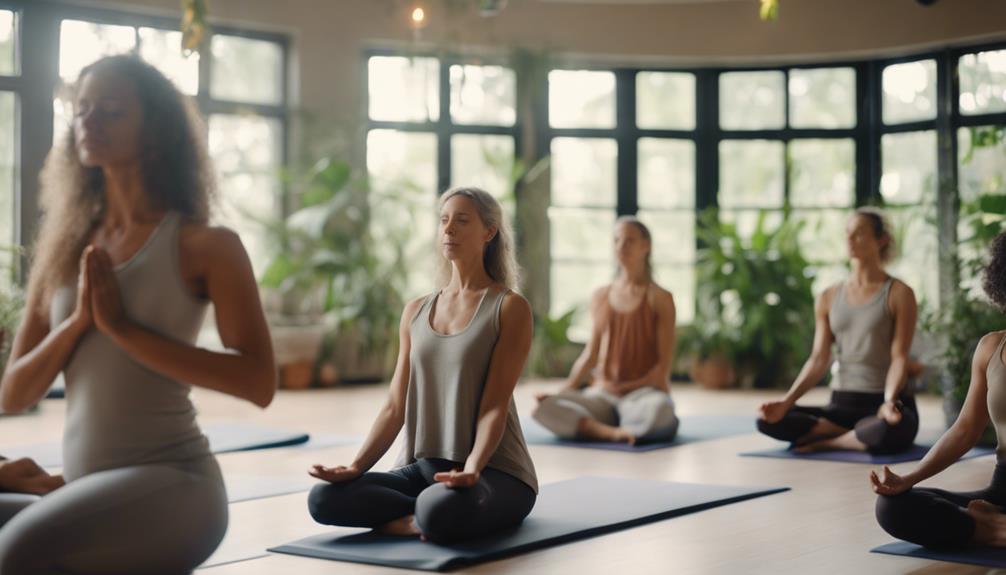
Labels can vary between teachers and classes, so the description of a session matters more than the name alone. A beginner-friendly class, whether in a studio or another suitable setting, can help you learn how to adapt poses and use props when needed.
Breath, Movement, and Meditation
One of yoga’s central ideas is that breath and movement can work together. Pranayama refers to breathing practices that encourage deliberate attention to the breath. Rather than allowing breathing to remain automatic, practitioners observe its rhythm and, in some exercises, gently guide it.
When breathing is coordinated with asanas, or physical postures, the practice can become a moving meditation. Attention shifts away from distractions and toward immediate sensations: the feet meeting the floor, the movement of the spine, the effort required to hold a pose, and the pace of each breath. This focus can help create a sense of steadiness during practice and may encourage a more composed response to daily pressures.
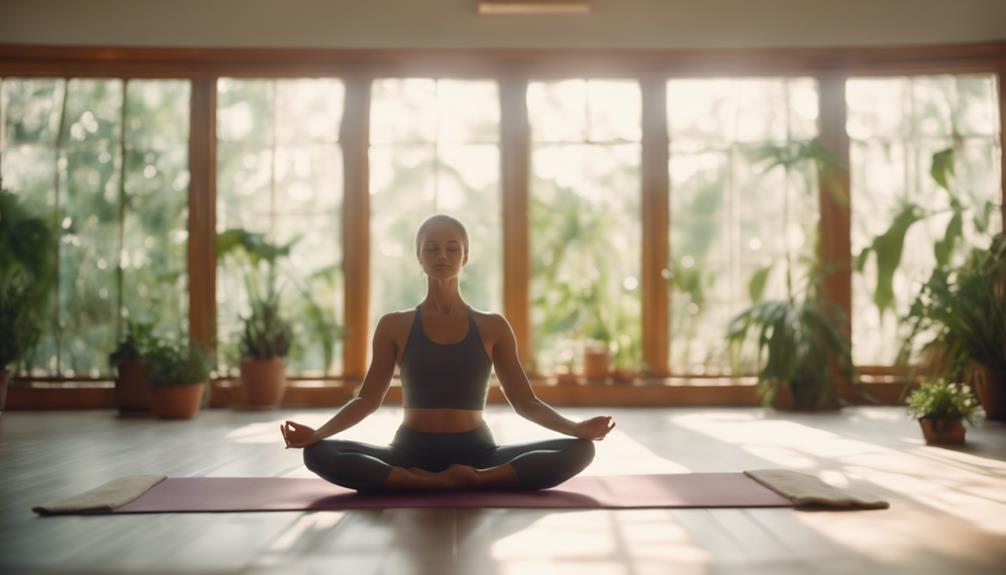
Meditation and relaxation are also valuable when kept separate from physical movement. Sitting quietly for a few minutes, noticing the breath, or completing a short relaxation at the end of a session can reinforce the transition from activity to calm.
Beginning a Sustainable Practice
Yoga does not require perfect flexibility or advanced poses. A useful starting point is a short, consistent practice that respects your current abilities.
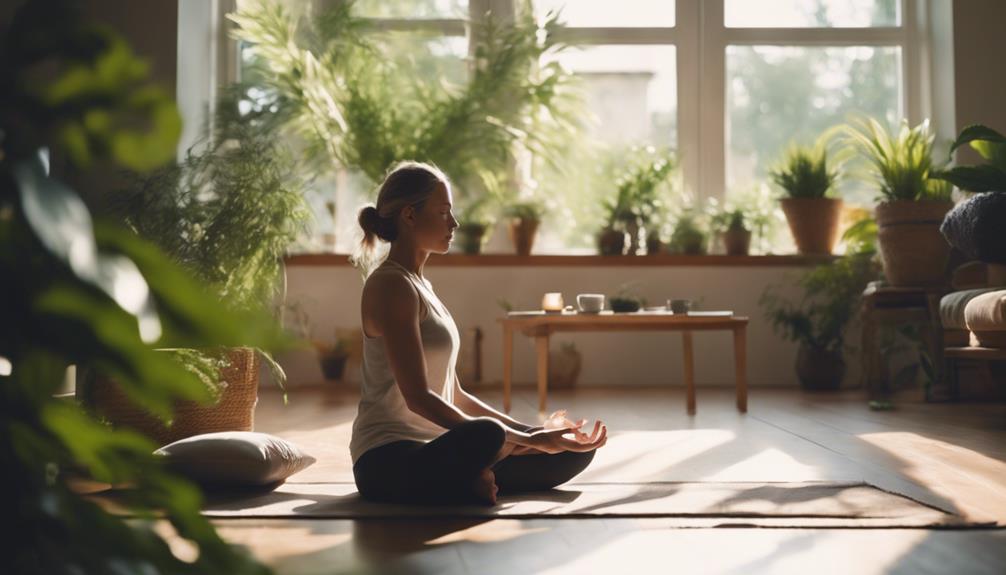
- Choose a comfortable space and wear clothing that allows easy movement.
- Use a stable surface or yoga mat and keep water nearby if needed.
- Begin with simple movements, gentle breathing, and enough time to settle in.
- Move slowly and avoid forcing a pose to match someone else’s range of motion.
- Pay attention to sharp pain, dizziness, or unusual discomfort, and stop or modify the movement when necessary.
- Try different teachers or styles until you find an approach that feels appropriate for you.
The deeper value of yoga lies less in how a pose looks and more in how attentively it is experienced. With regular, compassionate practice, yoga can become a way to strengthen the body, quiet mental noise, and develop a more accepting relationship with yourself. That journey toward inner peace is personal, gradual, and available at any level of experience.