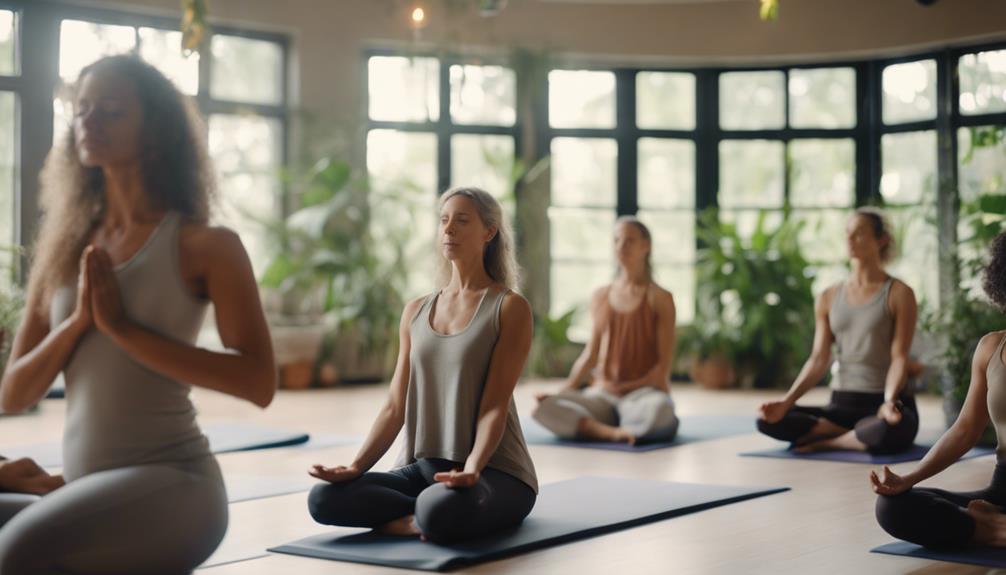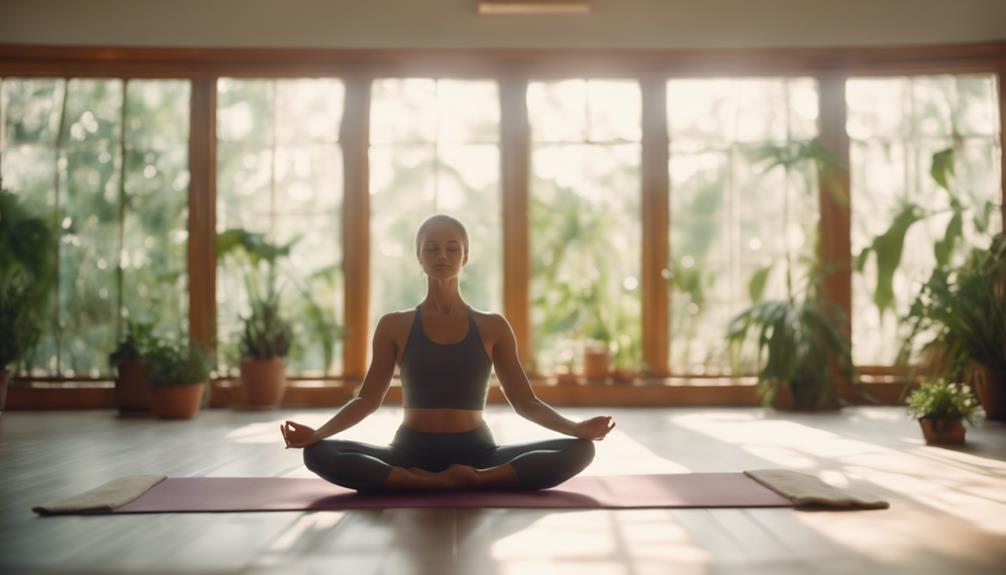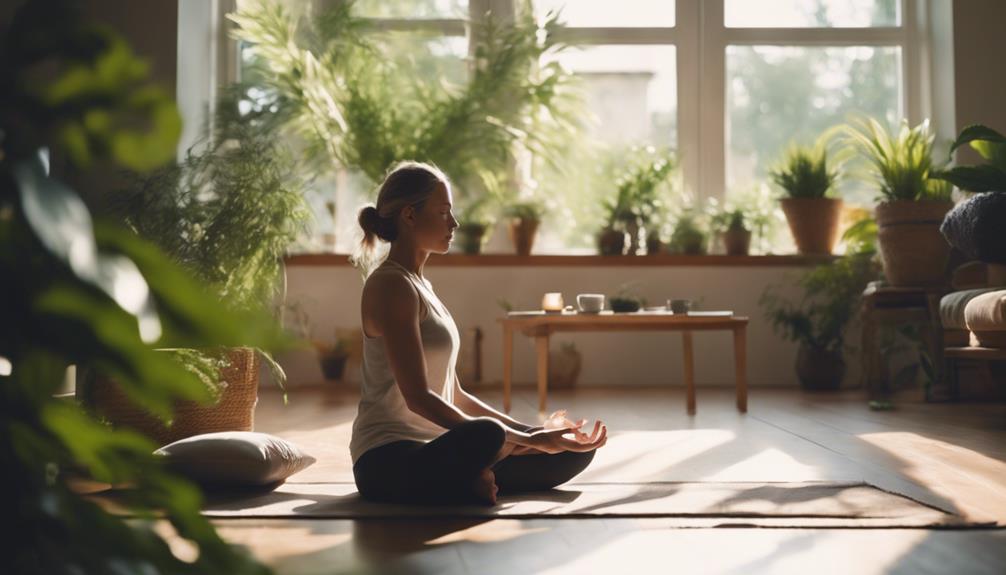
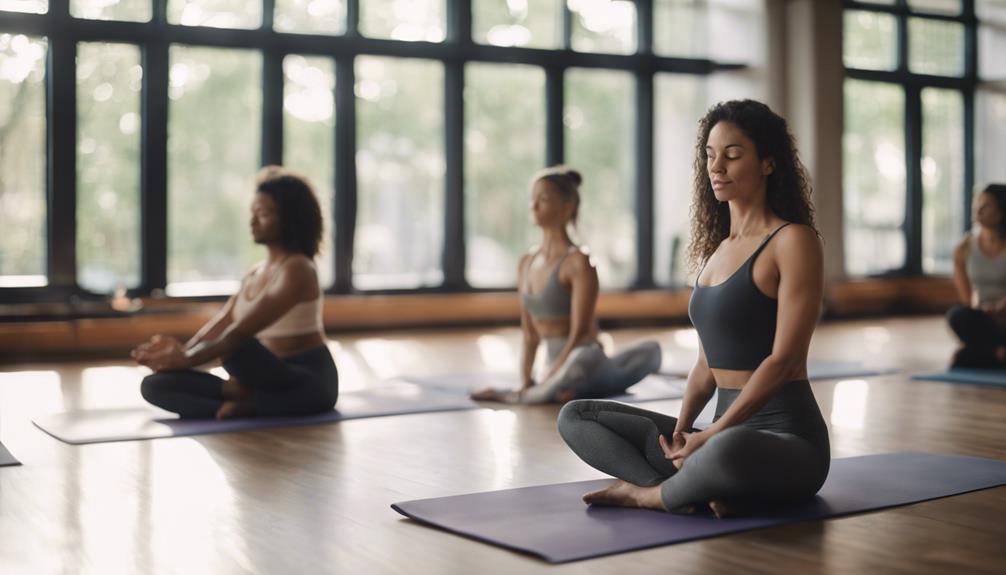
Starting yoga does not require advanced flexibility, expensive equipment, or previous experience. A beginner-friendly practice can help you become more aware of your body, build strength and balance, and create time for calmer breathing and focused movement. The key is to begin gradually, choose a style that suits your needs, and treat yoga as an ongoing practice rather than a test of performance.
Choose a yoga style that fits your goals
Yoga includes many different approaches, and classes can vary considerably in pace and intensity. Choosing a suitable starting point makes it easier to enjoy the practice and develop confidence.
- Hatha yoga: Often a steady, slower-paced introduction to basic postures, breathing, and alignment. It can be a good option if you want time to learn each movement.
- Vinyasa yoga: Links postures in a flowing sequence, usually coordinated with the breath. It may suit beginners who prefer more continuous movement, provided the class is clearly labelled for their level.
- Yin yoga: Uses supported, relatively still postures held for longer periods. It can appeal to people interested in gentle stretching, relaxation, and mindfulness.
These categories are useful starting points, but individual classes and teachers may approach them differently. Try more than one style if possible, and notice how your body and mind respond. A class that feels appropriate should challenge you without making you feel pressured to force a position.
Prepare a simple, comfortable practice space
A yoga mat provides a defined, cushioned surface and can help your hands and feet stay more secure during movement. When choosing one, consider its thickness, texture, and material. A thicker mat may feel more comfortable for sensitive joints, while a thinner one can provide a closer connection with the floor. A surface with reliable grip is helpful for balance and transitions.
You do not need a complete yoga wardrobe. Choose clothing that is comfortable, breathable, and stretchy enough to let you move freely. Avoid anything so loose that it gets in the way or so restrictive that it limits your range of motion. Yoga-specific clothing is optional; ordinary exercise clothing can work well.
Props such as blocks, straps, and bolsters are not essential for beginning, but they can make some postures more accessible. They may provide support, bring the floor closer, or help you maintain a comfortable position while learning.
Start with beginner-focused instruction
Beginner online classes and tutorials can be a convenient way to learn at home. Look for instruction that explicitly covers foundational postures, breathing, alignment, and modifications. A shorter session may be easier to fit into your routine than a long class, especially while you are learning how the movements feel.
Follow the teacher’s guidance, but do not assume that you must copy every shape exactly. Bodies differ, and a useful instruction should allow for adjustments. Pause a video when you need more time, repeat a lesson, or choose a simpler variation. If you attend an in-person class, tell the teacher that you are new to yoga before it begins.
Build your practice gradually
Consistency matters more than doing difficult postures. Begin with sessions that leave you feeling capable of returning to the mat. As the movements become familiar, you can gradually explore longer practices or a wider range of postures.
- Warm up gently before deeper stretches or more demanding movements.
- Breathe steadily rather than holding your breath.
- Move slowly enough to notice your balance, alignment, and comfort.
- Rest whenever you need to, including during the class.
- Use a modification instead of forcing a posture.
Practice safely and listen to your body
Yoga should not require you to push through sharp, sudden, or worsening pain. Mild effort or the sensation of a stretch can be different from pain that signals you should stop. Come out of a posture carefully, rest, and adjust the movement. If you have an injury, ongoing pain, or a health condition that may affect exercise, seek appropriate professional guidance before starting and explain any limitations to your instructor.
Most importantly, let go of the idea that yoga is about achieving a perfect shape. Your first sessions are for learning how to move, breathe, and pay attention. With patience and regular practice, you can discover which styles, teachers, and routines best support your own goals.