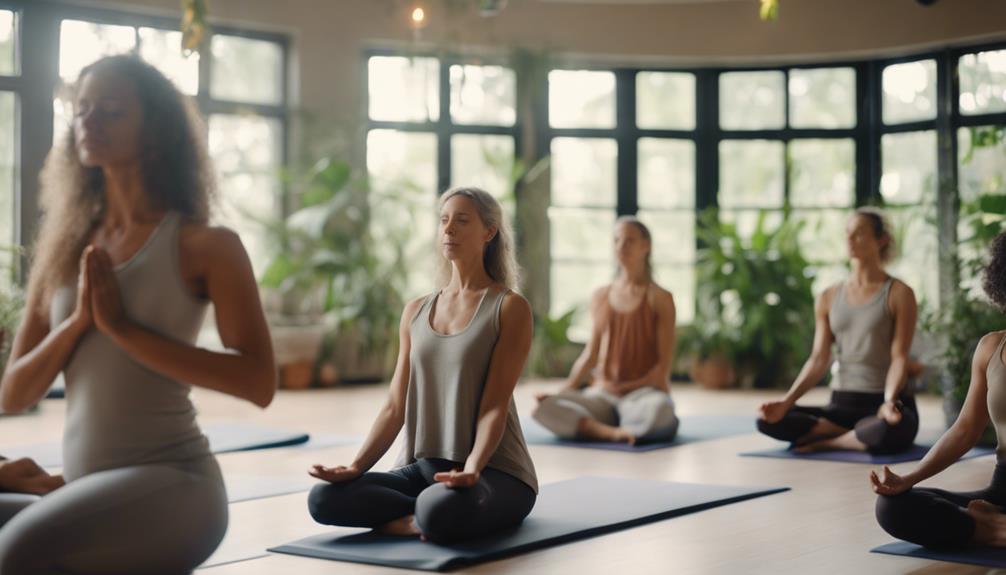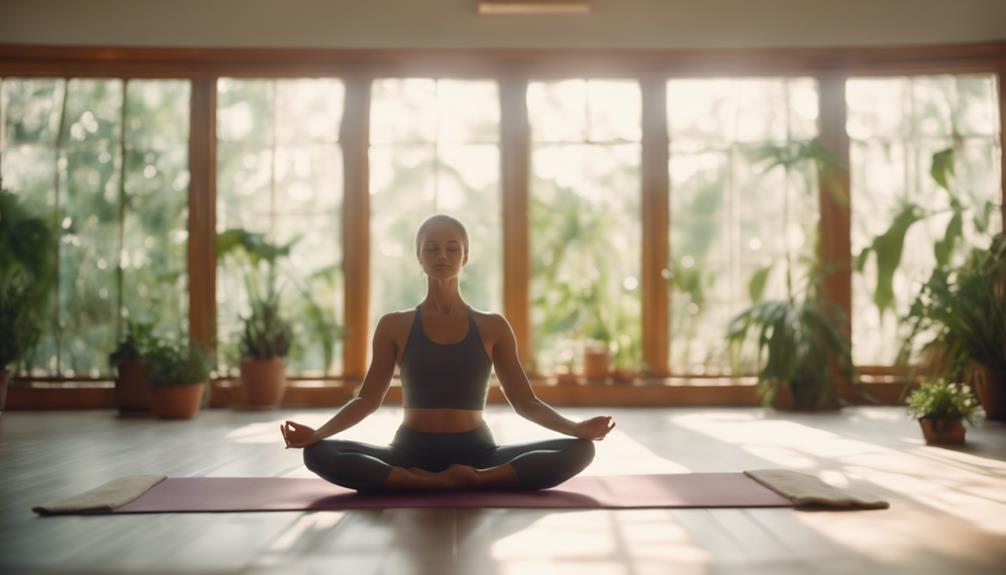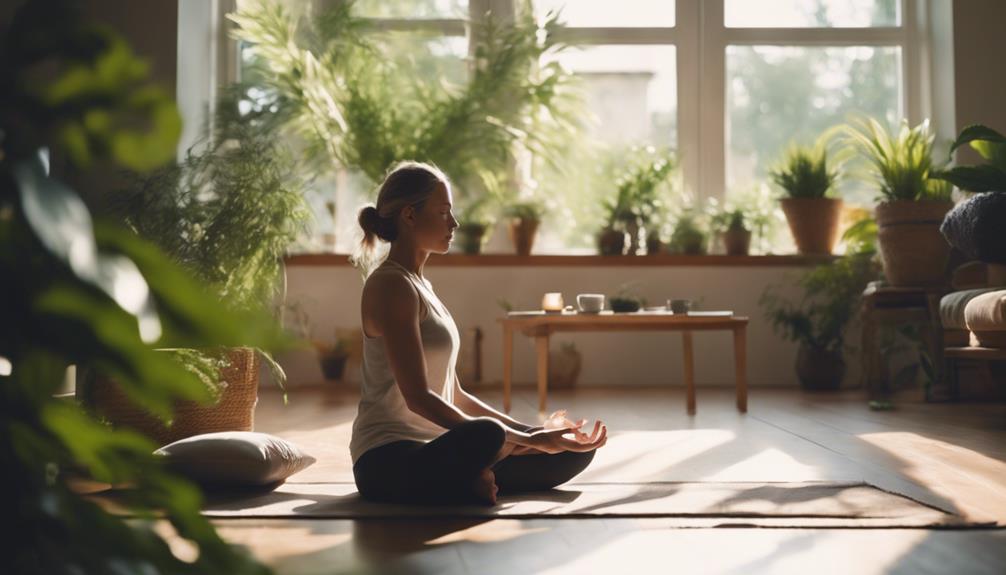
Breath is more than a background function in yoga and meditation. It is a practical point of connection between the body, attention, and emotional state. By noticing how we inhale and exhale, we can become more aware of tension, restlessness, and distraction. With practice, the breath can help create a steadier foundation for movement and stillness.
Why the breath matters
Breathing happens automatically, but it can also be guided consciously. The moment we bring attention to the breath, we begin shifting awareness away from mental noise and toward present experience. The sensations of inhaling, exhaling, and pausing provide a simple object for concentration.
Mindful breathing does not require forcing the breath to become unusually deep or slow. It begins with observation: noticing the rhythm, where the breath is felt, and whether the body is relaxed or guarded. This kind of attention can make the practice more grounded and may reveal habits such as shallow breathing, clenched muscles, or unnecessary effort.
Breath and movement in yoga
In yoga, breath often guides the transition between postures. Practitioners may coordinate an inhale with one part of a movement and an exhale with another. This coordination creates a more deliberate pace and encourages attention to remain connected to physical experience rather than drifting into distraction.
Breathing with awareness can also improve the quality of a posture. Instead of treating a pose as a shape to achieve, the practitioner can use the breath to notice balance, strain, stability, and ease. If the breath becomes strained or uncomfortable, it may be a sign to reduce intensity, adjust alignment, or rest.
The purpose is not to win a contest against the body. A steady breath supports a more responsive practice in which movement, sensation, and attention work together.
Using the breath in meditation
The breath is one of the most accessible meditation anchors because it is always available and changes from moment to moment. A basic practice might involve sitting comfortably and noticing each inhale and exhale without trying to control them. When thoughts arise, attention can be gently returned to the next breath.
This process is not about eliminating thought. The mind will naturally wander. The practice lies in recognising that it has wandered and returning without unnecessary criticism. Over time, this repeated return can develop greater familiarity with the mind’s patterns and create a clearer sense of what is happening in the present moment.
Some people find that a slower, comfortable breathing rhythm helps them settle before meditation. Others prefer to leave the breath entirely natural. Both approaches can be useful; the most important principles are comfort, patience, and steady attention.
Breathing, relaxation, and stress
Stress can affect breathing, often making it quicker, tighter, or less comfortable. Deliberately pausing to notice the breath can interrupt that automatic cycle and provide a moment to respond rather than react. A calm exhalation, relaxed shoulders, and an unforced rhythm may help the body and mind move toward a quieter state.
Breath awareness can also bring attention back to the immediate situation. Instead of following a chain of worries or replaying past events, you can focus on a physical experience that is happening now. This does not solve every source of stress, but it can create space for clearer observation and more considered action.
Pranayama and the idea of energy
Traditional yoga includes practices known as pranayama, or methods of working with the breath. These practices may involve regulating the length, rhythm, or pattern of breathing. Within yoga philosophy, breath is closely associated with prana, often described as vital energy. From this perspective, breath practices support harmony between body, mind, and inner awareness.
Different breathing exercises are traditionally used for different aims, such as settling attention, building focus, or creating a sense of vitality. They should be approached gradually and with respect for individual comfort. Breath retention, forceful breathing, or rapid techniques are not necessary for a meaningful beginning.
A simple mindful-breath practice
- Sit or lie in a position that allows you to breathe comfortably.
- Notice the natural movement of the breath without immediately changing it.
- Feel where the inhale and exhale are most apparent, such as the nostrils, chest, or abdomen.
- When attention wanders, acknowledge it and return to the next breath.
- Continue for a few minutes, keeping the face, jaw, and shoulders as relaxed as possible.
Breathing should remain comfortable. If a technique causes dizziness, pain, anxiety, or a feeling of strain, stop and return to natural breathing. The value of breath in yoga and meditation comes from developing awareness and balance—not from forcing a particular result.
Whether used during movement, seated meditation, or an ordinary moment of stress, the breath offers a dependable way to reconnect with the body and the present moment. With consistent, gentle practice, it can become a quiet support for concentration, relaxation, and a deeper understanding of one’s own experience.