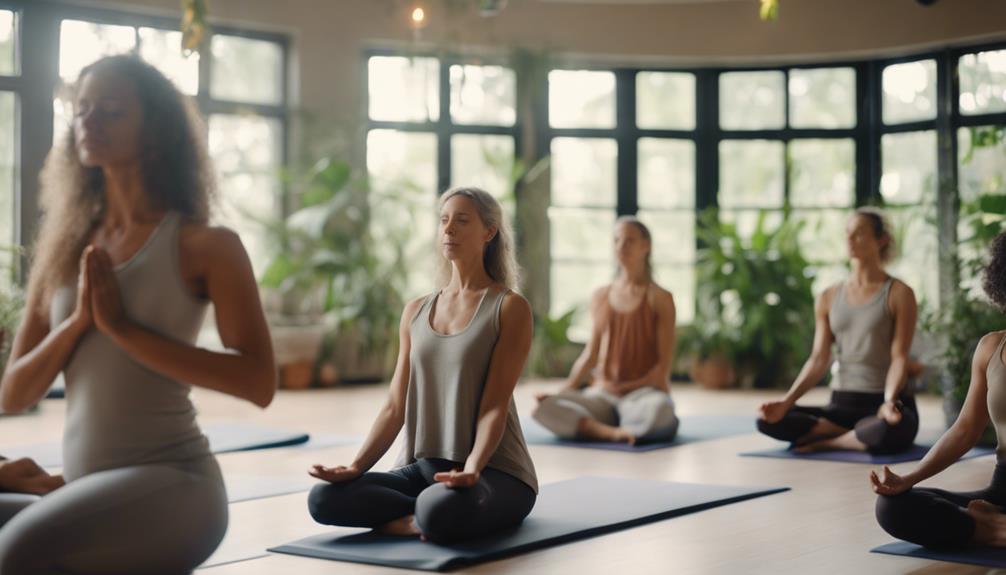
Yoga can offer a practical way to slow down, release physical tension, and create space for a calmer state of mind. You do not need an advanced routine or a long session to begin. A few minutes of steady breathing, gentle movement, and mindful attention can help you shift away from the pressures of the day.
The aim is not to force your body into difficult poses. Instead, approach yoga as an opportunity to notice how you feel and respond with patience. Choose a quiet, comfortable space, wear clothes that allow you to move easily, and keep your practice within a range that feels safe.
Begin with slow, comfortable breathing
Breathing is a simple way to settle your attention before you start moving. Sit in a comfortable position or lie down, close your eyes if that feels appropriate, and notice the natural rhythm of your breath.
Gradually allow each inhale and exhale to become slower and deeper without straining. Pay attention to the feeling of air entering and leaving your body. As you breathe out, imagine letting your shoulders, jaw, and stomach soften. If your thoughts wander, acknowledge them and gently return your attention to the breath.
You can also try a structured breathing exercise, such as counting the length of each inhale and exhale or using an established technique such as alternate-nostril breathing. Keep the practice comfortable; stop or return to normal breathing if you feel dizzy, short of breath, or uncomfortable.
Use gentle poses to release tension
Once your breathing has settled, begin with slow movements rather than demanding postures. Gentle yoga is especially useful when stress has left you feeling tense, tired, or mentally overwhelmed.
Child’s pose
Kneel and sit your hips back toward your heels. Fold forward, resting your forehead on the mat or on a cushion, and extend your arms in front of you or alongside your body. Breathe slowly and allow your back and shoulders to relax. If this position is uncomfortable for your knees, hips, or lower back, make it smaller or choose another resting posture.
Cat-cow movement
Come onto your hands and knees, with your hands beneath your shoulders and your knees beneath your hips. As you inhale, gently lift your chest and tailbone. As you exhale, round your spine and let your head follow the movement without forcing your neck. Repeat at an easy pace, coordinating the movement with your breathing.
These poses can help you focus on physical sensations while easing into your practice. Move slowly, avoid bouncing, and never push through sharp pain. Yoga should feel attentive rather than competitive.
Add mindfulness to your practice
Mindfulness means paying attention to the present moment without judging what you notice. During each pose, observe your breathing, the contact between your body and the floor, and areas where you may be holding tension.
Try not to evaluate whether you are doing the pose perfectly. If your mind moves to unfinished tasks or future worries, bring it back to one clear point of focus: the next breath, the sensation in your hands, or the movement of your spine. This repeated return to the present is the central practice.
Finish with a short meditation or rest
After moving, sit or lie down quietly for several minutes. Let your breathing return to its natural rhythm and notice how your body feels. You might silently count a few breaths, repeat a calming word, or simply observe your thoughts without following them.
Even a brief closing pause can make the session feel complete. With regular practice, combining breathwork, gentle poses, and mindful attention can become a dependable way to create a calmer transition into or out of a busy day.
Make the routine easy to maintain
- Start with five to ten minutes and increase the time only if it feels helpful.
- Choose a consistent time, such as after waking up or before bed.
- Use cushions or folded blankets to support comfortable positions.
- Keep your breathing smooth and avoid treating relaxation as something to force.
- Stop if a movement causes pain, and seek qualified guidance if you have an injury or health concern.
The most useful stress-relief practice is one you can approach regularly and without pressure. Let your breathing set the pace, keep the movements gentle, and use each session as a chance to reconnect with the present moment.