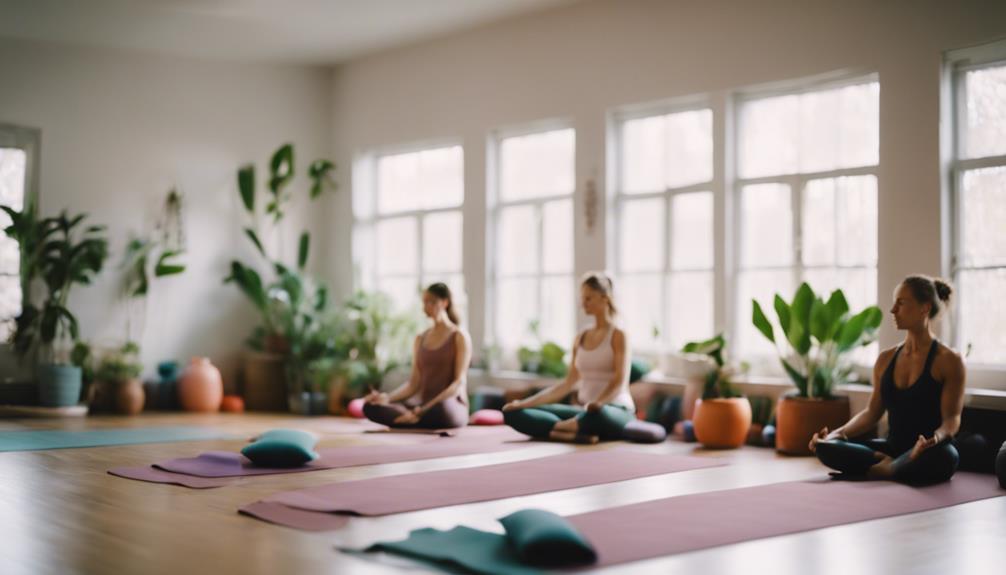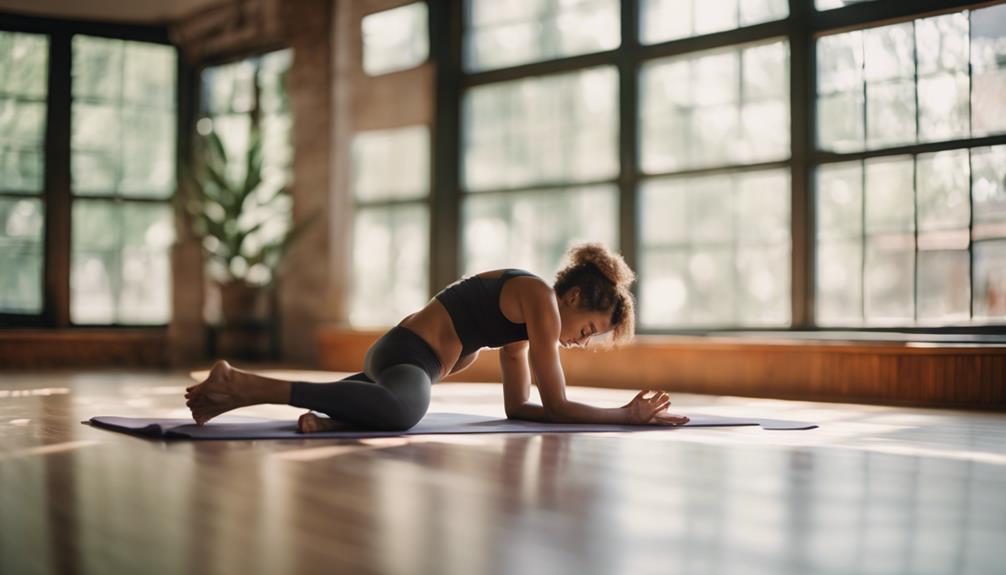
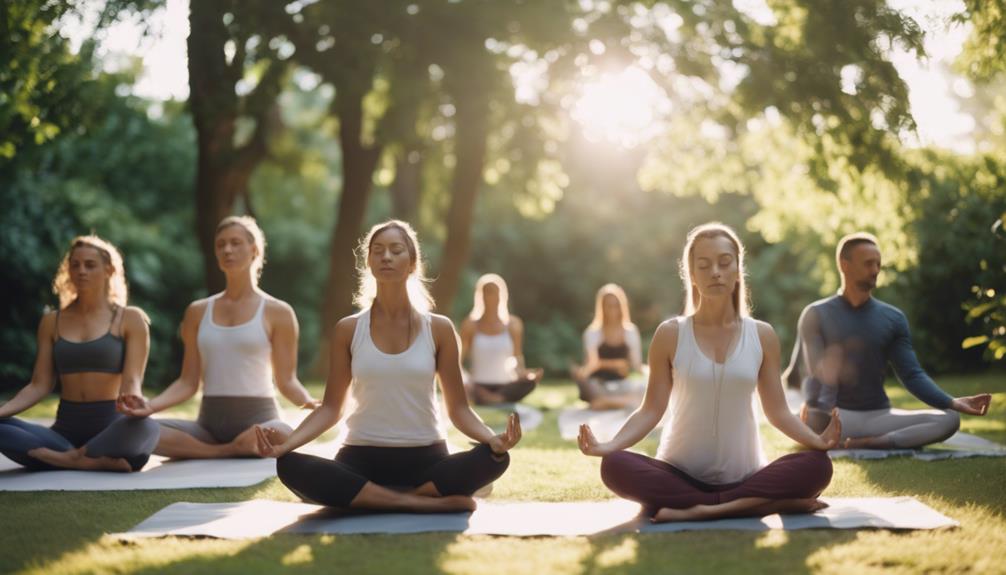
Yoga exercises combine physical postures, controlled breathing, and focused attention. A useful practice does not need to be long or complicated: a few carefully chosen movements can help you loosen stiff areas, develop body awareness, build functional strength, or settle your mind after a demanding day. Explore how yoga exercises can support lasting health benefits through consistent, mindful practice.
Yoga can be adapted for different ages, abilities, and fitness goals. The most important principles are to move gradually, breathe steadily, and choose variations that feel stable rather than forcing your body into a particular shape.
Why include yoga in your routine?
Regular yoga practice can support flexibility, balance, posture, mobility, and core control. Standing and weight-bearing poses challenge the legs and trunk, while slower stretches can relieve the feeling of tightness that develops from sitting or repetitive movement. Breath-focused practice and final relaxation may also help create a calmer transition between activity and rest.
Yoga is not only a stretching routine. Depending on the sequence, it can be gentle and restorative, physically demanding, or somewhere between the two. A balanced approach includes strength-building postures, mobility work, recovery, and enough rest to keep the practice sustainable.
Beginner yoga poses
Start with poses that make it easy to concentrate on alignment and breathing. The following movements form a practical foundation:
- Mountain Pose: Stand with your feet comfortable and your weight evenly distributed. Lengthen through the crown of your head while keeping your shoulders relaxed. This simple position teaches upright posture and awareness of balance.
- Cat-Cow: From hands and knees, alternate between gently rounding and extending the spine. Move slowly and coordinate each change with your breath to encourage spinal mobility.
- Child’s Pose: Sit your hips back toward your heels and lower your torso as far as comfortable. Use a cushion or keep the knees wider if that makes the position easier. This is a useful resting posture.
- Downward-Facing Dog: Press through your hands and lift your hips, keeping the knees bent if necessary. Aim for a long spine rather than forcing the heels toward the floor.
- Warrior II: Take a wide stance, turn one foot outward, and bend the front knee while extending the arms. Keep the front knee tracking in the same direction as the toes and maintain an even, controlled breath.
- Bridge Pose: Lie on your back with your knees bent and feet supported. Press gently through the feet to lift the hips. This movement engages the back of the legs and encourages awareness of pelvic control.
How to build a simple yoga sequence
A short routine is often easier to maintain than an ambitious plan. Begin with a minute or two of comfortable breathing, then warm up the spine and joints before moving into stronger postures.
A 15-minute structure
- Warm-up: Use Mountain Pose, shoulder movements, Cat-Cow, and gentle seated or standing side bends.
- Standing work: Practice Downward-Facing Dog, a supported lunge, and Warrior II on both sides.
- Mobility and strength: Add Bridge Pose or a gentle plank variation if it feels appropriate.
- Cool-down: Choose Child’s Pose, a comfortable seated stretch, or a gentle reclining twist.
- Relaxation: Lie comfortably for several quiet breaths, allowing the body to settle before finishing.
Move from one posture to the next without rushing. You can hold a pose for a few breaths or use slow repetitions when transitioning between movements. If you have only five minutes, choose two mobility exercises, one standing pose, and a brief rest rather than skipping practice altogether. For discomfort after yoga exercises, try these lower-back yoga stretches to gently release tension around the hips.
Choosing poses for common goals
For stiffness from sitting
Cat-Cow, gentle lunges, standing side bends, and supported Bridge Pose can bring movement to areas that often feel restricted after long periods at a desk. Keep the range of motion comfortable and avoid trying to force a stretch.
For strength and stability
Warrior poses, plank variations, Chair Pose, and Bridge Pose can challenge the legs, hips, shoulders, and core. Use shorter holds or a wall for support while learning the positions.
For balance and body awareness
Mountain Pose, Tree Pose, and slow transitions can help you practise steady foot placement and concentration. Stand near a wall or sturdy surface when working on balance.
For relaxation
Child’s Pose, supported forward folds, gentle reclining poses, and quiet breathing are suitable choices for a slower session. Comfort matters more than depth, especially near bedtime or after strenuous activity.
Practise safely and progress gradually
Yoga should feel challenging at times, but sharp pain, numbness, dizziness, or strain is a reason to stop and reassess. Modify a pose by reducing its depth, bending the knees, widening your stance, or using a block, strap, cushion, or wall. Do not treat flexibility as a measure of success; controlled movement and consistent breathing are better guides.
If you are recovering from an injury, managing a health condition, pregnant, or uncertain whether a movement is suitable, seek guidance from an appropriately qualified healthcare professional or yoga instructor. With patience and regular practice, a small collection of well-chosen yoga exercises can develop into a lasting routine for movement, strength, and relaxation.