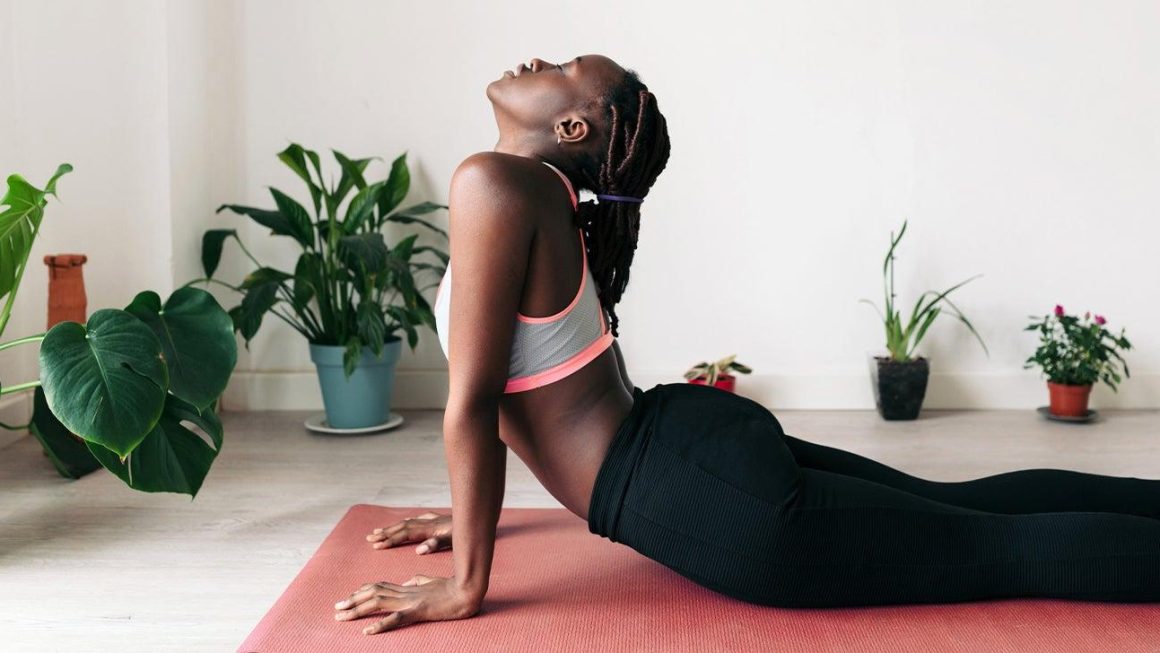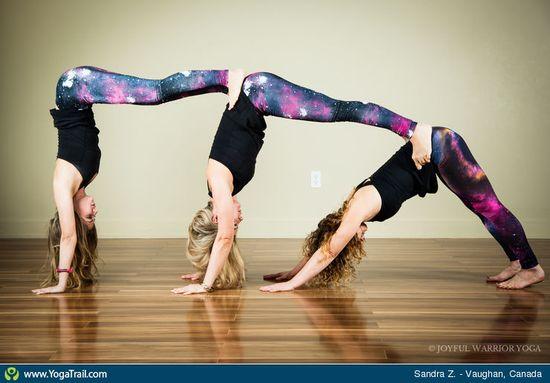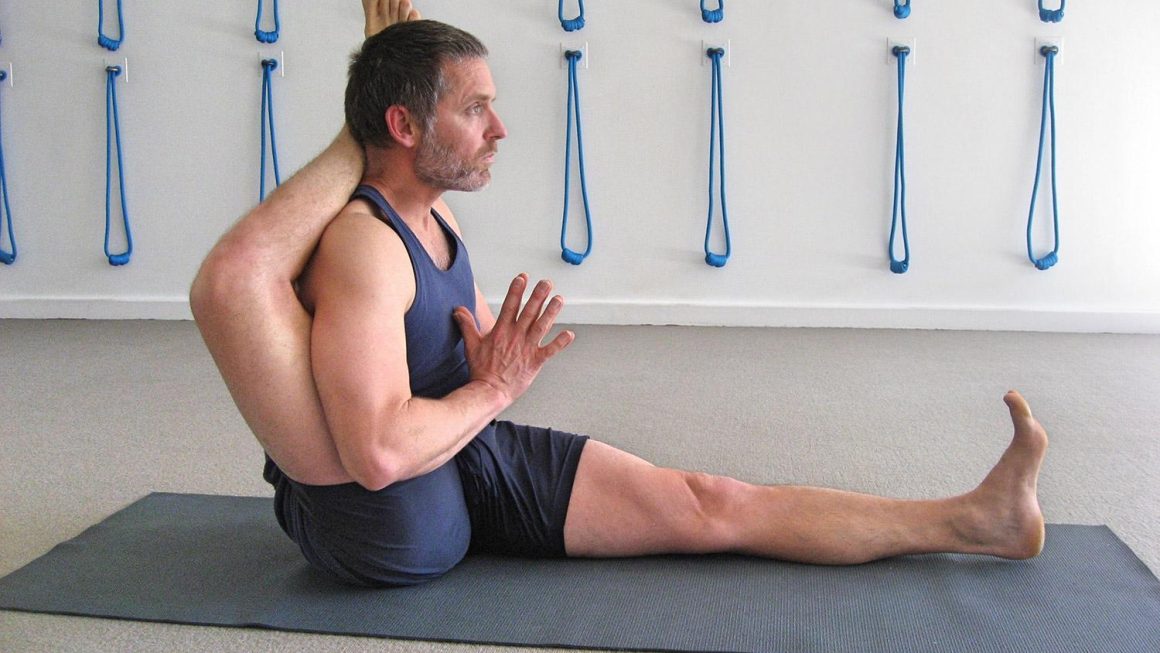
Yoga does not have to be serious to be meaningful. Alongside traditional stretches, strength work, and quiet breathing, your practice can include curiosity, laughter, balance challenges, and movement that simply feels enjoyable. Fun yoga poses offer a way to explore familiar shapes without treating every session like a test of flexibility or perfection.
You can try these poses alone, with a friend, or as part of a light-hearted themed practice. The goal is not to force advanced shapes. Instead, focus on moving with attention, experimenting safely, and giving yourself permission to enjoy the process.
Why Add Play to Yoga?
A playful approach can change the way a yoga session feels. Trying a new balance or moving through a flowing sequence may help you stay engaged and present. Practicing with another person can also introduce communication and cooperation, while a relaxed atmosphere may make it easier to let go of self-judgment.
- More variety: New movements can keep a familiar routine from becoming repetitive.
- Creative exploration: Balancing, flowing, and using props invite you to experiment.
- Connection: Partner activities can encourage teamwork and shared laughter.
- Motivation: Enjoyable practices are easier to look forward to and repeat.
10 Enjoyable Yoga Poses to Try
1. Tree Pose
Stand tall, shift your weight into one foot, and place the sole of the other foot against the inner calf or thigh. Bring your hands together or reach them overhead. Try changing your arm position, closing your eyes briefly, or practicing near a wall for support. Avoid placing your foot directly against the knee.
2. Cat-Cow
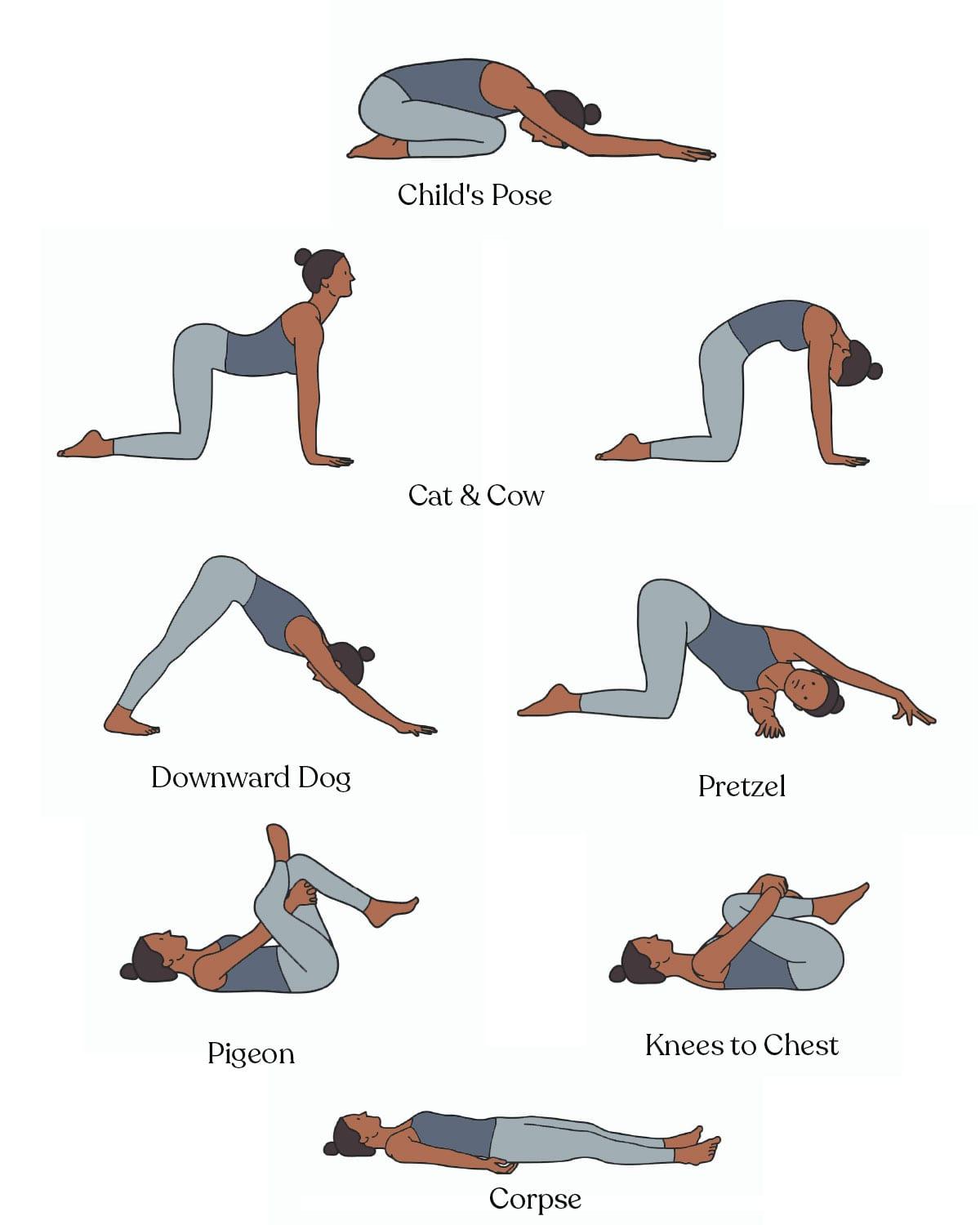
Start on your hands and knees. Inhale as you gently lift your chest and tailbone, then exhale as you round your spine. Move slowly enough to notice how your back feels, or make the sequence more playful by matching it to a steady rhythm.
3. Happy Baby
Lie on your back and draw your knees toward your ribs. Hold the backs of your thighs, ankles, or the insides of your feet, depending on what feels comfortable. Rock gently from side to side if that feels good, keeping the movement easy rather than forcing your legs downward.
4. Downward-Facing Dog at a Wall
Place your hands on a wall and walk your feet back until your torso lengthens into an angled shape. This variation lets you explore the familiar sensation of Downward-Facing Dog without placing the same demands on your wrists as a floor version.
5. Crow Pose Preparation
From a squat, place your hands on the floor and bring your knees toward your upper arms. Keep your toes on the ground and shift your weight forward only as far as you can control. This preparation builds familiarity with the balance without requiring you to lift both feet.
6. Wheel Pose Preparation
Practice bridge pose first by lying on your back with your feet grounded and lifting your hips. If you already have experience with backbends, you may explore a supported progression with guidance. Do not push into Wheel Pose if your wrists, shoulders, back, or neck feel strained.
7. Partner Tree Pose
Stand beside a partner and use one another’s shoulder or hand for light support while balancing. Begin with both feet grounded, then try lifting one foot. Communicate clearly and step out whenever either person feels unstable.
8. Seated Partner Twist
Sit back-to-back with a partner, keeping both people comfortable and upright. Take a slow breath, then gently rotate in opposite directions. Keep the movement small and avoid pulling on your partner’s body.
9. Supported Inversion Practice
If you want to explore inversions, begin with preparatory shapes such as legs-up-the-wall or a forearm-based dolphin pose. Headstands and forearm stands require appropriate instruction, strength, and control; they should not be attempted casually or when you have neck, shoulder, or balance concerns.
10. Free-Form Flow
Choose a few familiar movements—such as a lunge, side stretch, squat, or gentle balance—and link them together without worrying about making a perfect sequence. Let your breathing guide the pace and keep the transitions smooth and comfortable.
Ways to Make Your Practice More Playful
- Practice with friends and take turns choosing a pose.
- Use a simple theme, such as a beach-inspired or music-based session.
- Add accessible props, including a wall, cushion, strap, or folded blanket.
- Set aside time for exploration rather than judging how a pose looks.
- End with a calming posture so the session has a clear, restful finish.
Keep Fun Yoga Safe
Playfulness should not mean ignoring your body. Warm up before stronger balances, avoid forcing range of motion, and come out of a pose if you feel sharp pain, dizziness, numbness, or pressure in your neck. Partner yoga requires especially clear communication: agree on how to begin and stop, use only as much support as both people want, and skip lifts or acrobatic movements unless you are working with a qualified instructor.
The most enjoyable yoga pose is one that leaves you feeling curious, comfortable, and ready to practice again. Keep the challenge appropriate to your experience, make room for mistakes, and let movement be an opportunity to play.