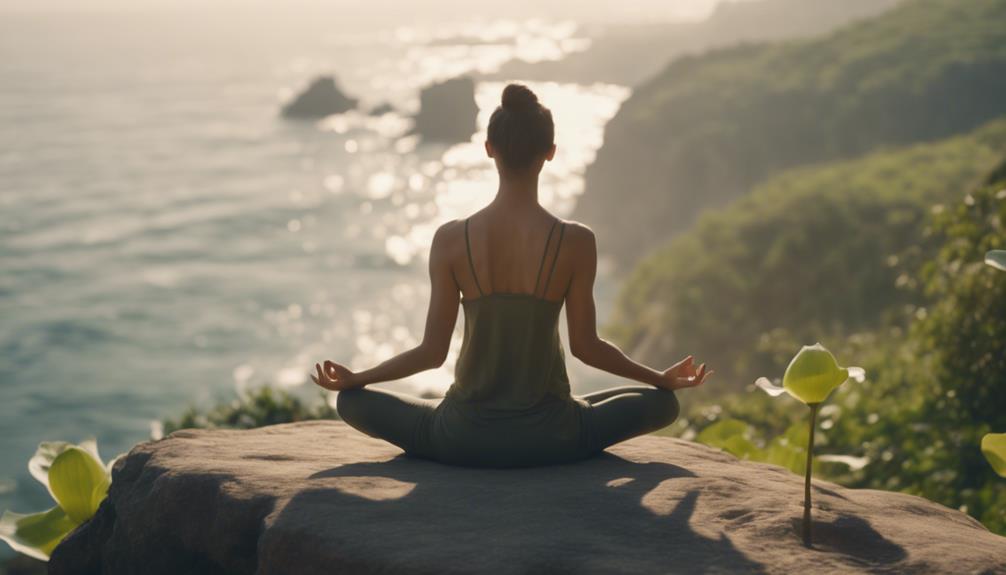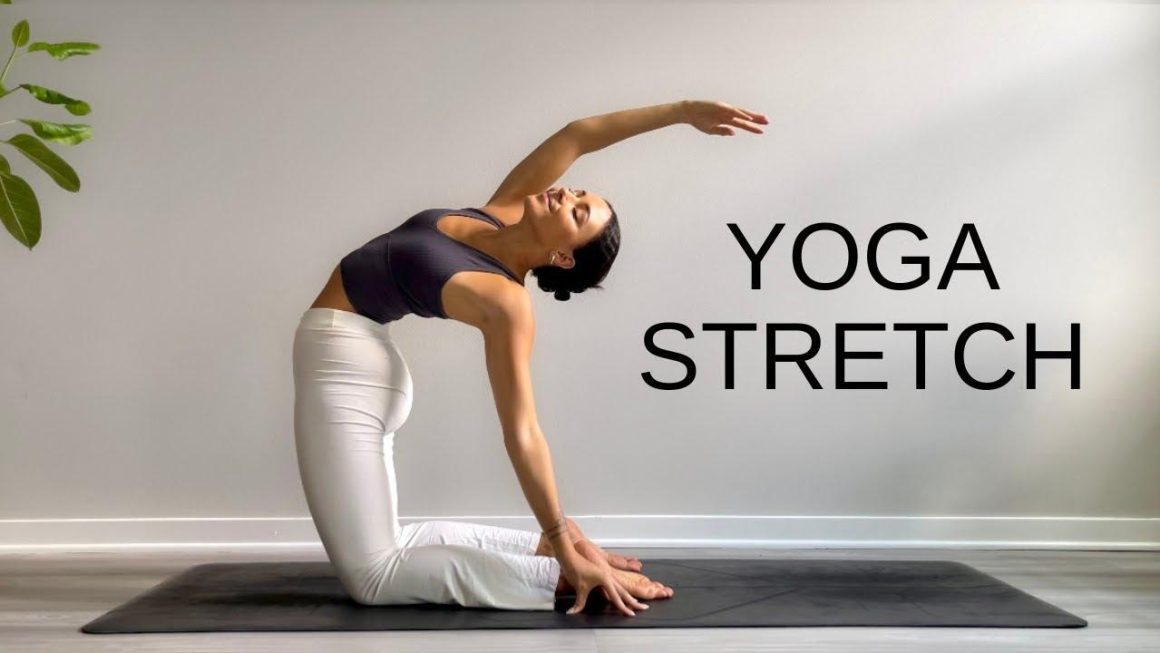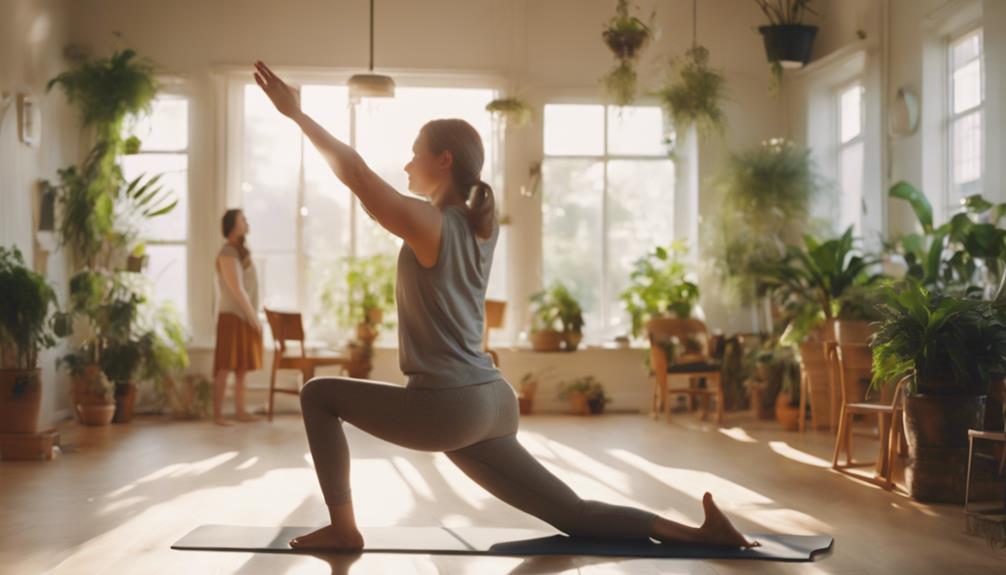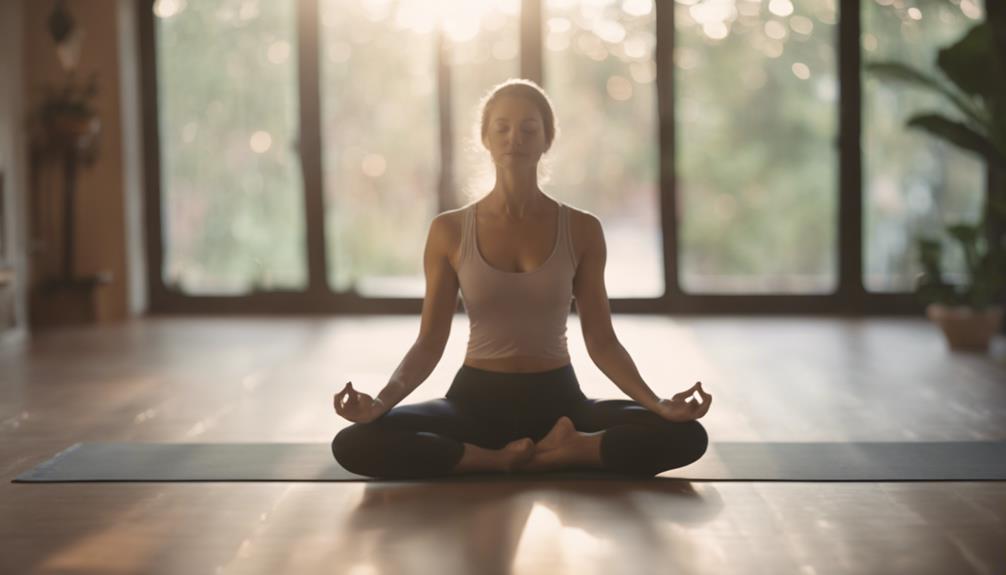
Spiritual yoga brings together movement, breath, attention, and reflection. Although yoga is often approached as physical exercise, a spiritual practice looks beyond flexibility or strength. It uses the body and breath as starting points for greater self-awareness, steadiness, compassion, and connection. Explore wellness and mindfulness practices that deepen spiritual yoga through intentional movement, breathwork, and inner reflection.
This approach does not require a particular religion or belief system. It can be adapted to different backgrounds and personal values. For some people, spiritual yoga includes meditation, chanting, prayer, or study. For others, it may simply mean practicing with quiet attention and bringing greater care to everyday choices.
What makes yoga spiritual?
In a fitness-focused class, the main goal may be to build strength, improve mobility, or learn a sequence of postures. Spiritual yoga can include all of those elements, but it places equal importance on the quality of attention brought to practice.
Postures, or asanas, become opportunities to notice physical sensations, emotional reactions, and habitual patterns. A challenging pose may reveal impatience or self-criticism, while a slower movement may create space for calm observation. The purpose is not to perform a pose perfectly, but to develop qualities such as patience, presence, gratitude, and equanimity.
Traditional yogic ideas about ethical conduct may also inform the practice. Kindness, honest communication, moderation, and thoughtful consumption can be explored not as rigid rules, but as practical ways to consider how personal choices affect oneself and others.
Potential benefits for wellbeing and mindfulness
Spiritual yoga supports a whole-person approach to wellbeing by working with the body, mind, and emotional life together. Mindful movement can help practitioners become more aware of tension and physical habits. Breath awareness and meditation may provide tools for settling attention and responding to stress with greater steadiness.
With regular practice, people may find it easier to pause before reacting, observe difficult feelings, and treat themselves with more compassion. Reflection can also support clearer priorities and a stronger sense of meaning. These benefits are not separate from the physical practice: they develop through repeatedly paying attention to experience without turning the practice into a competition.
Core elements of a spiritual yoga session
A spiritual yoga routine does not need to be long or complicated. A simple session might include the following elements: Explore inner yogic practices to deepen mindful movement, meditation, and personal spiritual connection.
- Centering: Begin by sitting or standing quietly and noticing the natural rhythm of the breath.
- Intention: Choose a quality to explore, such as patience, openness, or kindness.
- Breathwork: Use comfortable, attentive breathing to connect the mind with the body. Breath retention should be optional, gentle, and never forced; anyone with health concerns should seek appropriate professional guidance.
- Mindful movement: Practice postures slowly enough to notice sensations, effort, and the impulse to compare or overreach.
- Stillness: End with a restorative posture, seated meditation, or several quiet minutes of observation.
- Reflection: Consider a short question, journal briefly, or carry the original intention into the rest of the day.
Mantra, prayer, or silent contemplation can be included when they feel meaningful. None of these elements is compulsory. The value of the practice comes from sincerity and attention rather than from adding as many techniques as possible.
How to explore spirituality without dogma
A spiritual dimension does not require abandoning critical thinking or adopting someone else’s worldview. Begin with direct experience: notice whether a practice helps you become more present, compassionate, and responsible. Keep what supports those aims, and question anything that feels coercive, confusing, or inconsistent with your values.
A teacher can offer structure and encouragement, but a healthy teacher-student relationship should leave room for personal judgment and clear boundaries. Look for instruction that respects different backgrounds and does not present one narrow path as the only valid approach.
Bringing spiritual yoga into daily life
The practice becomes more meaningful when it extends beyond the mat. Take a few conscious breaths before beginning work, pause to notice your reaction during a difficult conversation, or use an evening routine to review the day without harsh self-judgment. These small moments can make mindfulness more practical and sustainable.
Everyday application may also involve speaking honestly but kindly, consuming more thoughtfully, listening without immediately preparing a response, or recognizing when rest is needed. The aim is not perfection. It is to notice how intentions influence actions and to begin again when old habits return.
Starting with a realistic routine
Beginners do not need to make major lifestyle changes. Start with a short session several times a week, combining comfortable movement with a few minutes of breathing or meditation. Avoid comparing your experience with another person’s practice, and respect physical and emotional limits.
Spiritual yoga is best understood as an ongoing relationship with attention, not a performance or a single destination. Through consistent, curious practice, movement can become a doorway to greater self-understanding, emotional balance, and a more thoughtful way of relating to daily life.