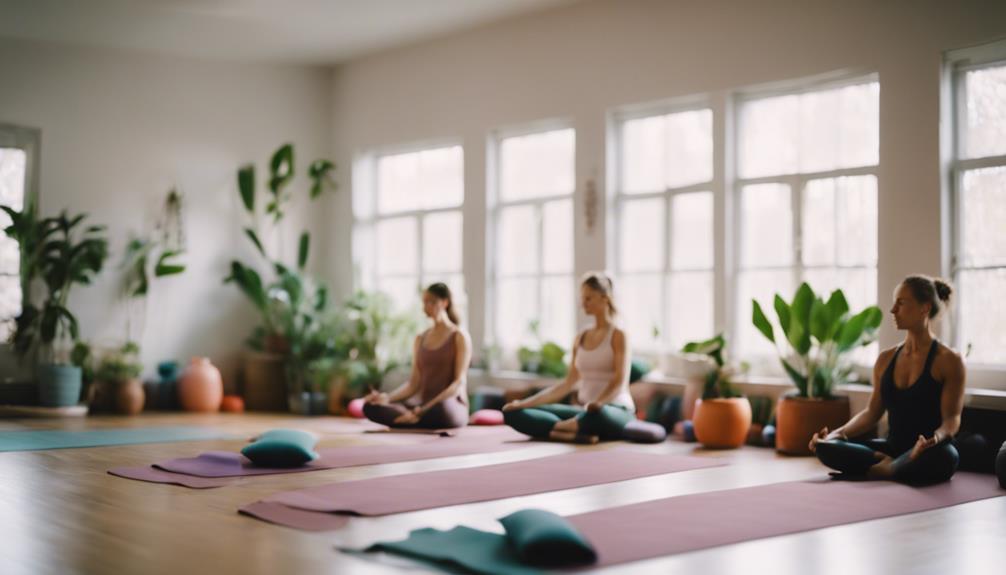
Yoga can support better posture, spinal mobility, and body awareness through a combination of movement, breathing, and strength work. It is especially useful for people who spend long periods sitting, feel stiff after inactivity, or want to include gentle back care in a broader fitness routine. Explore broader wellness benefits of yoga to support spine alignment and overall physical well-being.
Rather than forcing the spine into a particular position, a spine-focused yoga practice encourages balanced movement through the neck, upper back, lower back, hips, and shoulders. With regular practice, this can make everyday movements feel easier and help you become more aware of habits that contribute to tension.
Why spinal alignment and mobility matter
The spine naturally includes curves that help distribute load and support movement. Problems often arise when prolonged sitting, repetitive activities, muscle weakness, or protective tension limit how comfortably the body moves. The shoulders may round forward, the hips may become stiff, or the neck may compensate for restricted movement elsewhere.
Yoga does not replace medical assessment or guarantee that a spine will be structurally “realigned.” However, it can help develop the mobility, strength, coordination, and postural awareness that support comfortable movement. Slow breathing and focused attention may also help reduce the muscle tension that often accompanies stress.
Helpful yoga poses for the spine
A balanced routine includes gentle spinal flexion, extension, rotation, and neutral-strength positions. Move within a comfortable range rather than trying to achieve a deeper shape.
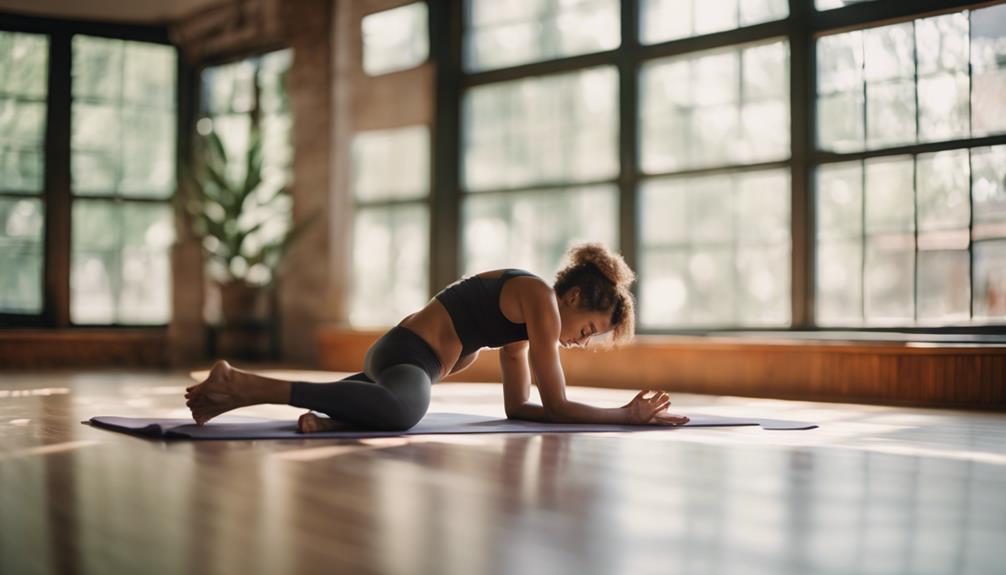
- Cat-Cow: From a hands-and-knees position, alternate between gently rounding and extending the back. Keep the movement smooth and let the neck follow naturally instead of dropping or lifting the head abruptly.
- Child’s Pose: Sit the hips toward the heels and rest the torso forward as comfortably as possible. A folded blanket under the hips or chest can make the position more supportive.
- Bridge Pose: Lying on your back with knees bent, press through the feet and lift the hips gradually. Engage the glutes and keep the ribs from flaring. This strengthens the hips and posterior chain without requiring a large backbend.
- Supported Pelvic Tilts: On your back with bent knees, gently alternate between allowing the lower back to keep its natural space and lightly drawing it toward the floor. This builds awareness of pelvic and lumbar movement.
- Gentle Seated Twist: Sit comfortably and rotate from the mid and upper back while keeping the movement small. Avoid pulling yourself deeper with the arms or forcing the lower back to twist.
- Bird Dog: From hands and knees, extend one leg and the opposite arm only as far as you can keep the trunk steady. This challenges core control and coordination while supporting a neutral spine.
How to practise safely
Begin with several minutes of easy movement, such as shoulder rolls, pelvic circles, or slow Cat-Cow repetitions. Keep your breathing relaxed. An inhale may help you create length through the torso, while an exhale can support a gentle release of unnecessary tension, but breathing should never be used to force a stretch.
Use props when they improve comfort or stability. Blocks, blankets, bolsters, and a wall can reduce strain and make it easier to maintain good technique. Keep your movements controlled, and stop before discomfort becomes intense. Stretching sensations and mild effort may be acceptable, but sharp pain, burning, tingling, numbness, or pain that travels into an arm or leg is a reason to stop. For broader mobility benefits, explore joint-friendly yoga practices that complement spine alignment work.
Building a practical spine-care routine
Consistency is generally more useful than occasional demanding sessions. A short routine three to five times per week may include:
- Warm-up: Two to five minutes of comfortable joint and spinal movements.
- Mobility: Cat-Cow, a supported forward position, and a gentle twist.
- Strength and control: Bridge Pose, Bird Dog, and pelvic control exercises.
- Recovery: Easy breathing or a supported resting pose for several minutes.
A session can last 15 to 30 minutes, depending on your experience and schedule. Pay attention to practical changes, such as easier standing, less stiffness after sitting, improved balance, or greater comfort during daily activities. These observations are more useful than trying to force a particular posture.
Support your practice outside the yoga mat
Yoga works best alongside regular movement and sensible daily habits. Change position throughout the day, take brief walking or stretching breaks, and arrange your desk so that the screen and work surface do not encourage constant neck or shoulder strain. Strengthening the hips and core through other appropriate exercises can also complement a spine-focused routine. Sleep comfort, stress management, and adequate recovery matter as well.
When to seek professional guidance
Get individual advice before practising if you have recently had surgery, a significant injury, osteoporosis, known spinal instability, or a medical condition affecting movement. Pregnant individuals should use pregnancy-appropriate modifications. Persistent or worsening pain, weakness, loss of sensation, or changes in bladder or bowel control require prompt medical attention rather than self-directed exercise.
A qualified yoga teacher, physical therapist, or other healthcare professional can help adapt poses to your needs. With gradual progression and careful attention to comfort, yoga can be a useful part of a broader approach to spinal mobility, posture, and everyday wellbeing.