Stress can show up as tight muscles, restless thoughts, shallow breathing, poor sleep, or a constant feeling of being on alert. Yoga offers a practical way to respond to these symptoms by combining mindful movement, breathing exercises, and periods of stillness. It is not a cure for every source of stress, but it can become a useful part of a broader approach to physical and mental well-being. Explore broader yoga benefits to see how stress-relieving practices can support your overall physical and mental health.
How yoga may ease stress
Yoga encourages attention to the present moment. Rather than moving automatically through a sequence, you notice your breathing, physical sensations, and mental state. This change in attention can interrupt cycles of worry and rumination.
Slow movement and controlled breathing may also help reduce the physical signs of tension. Relaxing the shoulders, releasing a clenched jaw, and lengthening the exhalation can send a signal that it is safe to slow down. Gentle poses can ease stiffness caused by prolonged sitting or stress-related muscle tension, while mindful relaxation gives the body time to settle.
The effects are often gradual. A single session may leave you feeling more settled, but a regular practice can make it easier to recognise tension early and respond before it becomes overwhelming.
Which types of yoga are best for stress relief?
The most suitable style depends on your energy level, experience, and personal preferences. For stress relief, slower practices are often easier to approach than demanding or fast-paced classes.
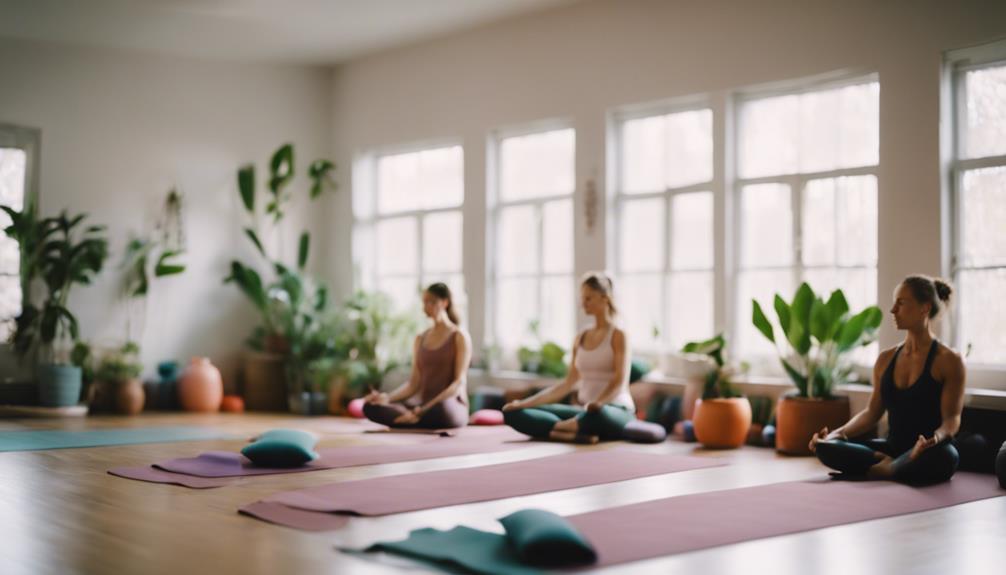
- Restorative yoga: Supported poses and longer periods of stillness encourage physical relaxation.
- Gentle Hatha yoga: Simple postures, controlled movement, and breath awareness provide a balanced introduction.
- Yin yoga: Longer, passive holds create time for quiet observation and gentle release, although poses should never be forced.
- Breathing and relaxation practices: These can be used independently when you do not have time for a full sequence.
If you are already feeling agitated, exhausted, or overstimulated, a short restorative session may be more helpful than an intense workout. On the other hand, flowing gently through several standing poses can help release nervous energy.
Calming poses to try
Move slowly and keep the effort comfortable. The following poses can form a simple stress-relief sequence:
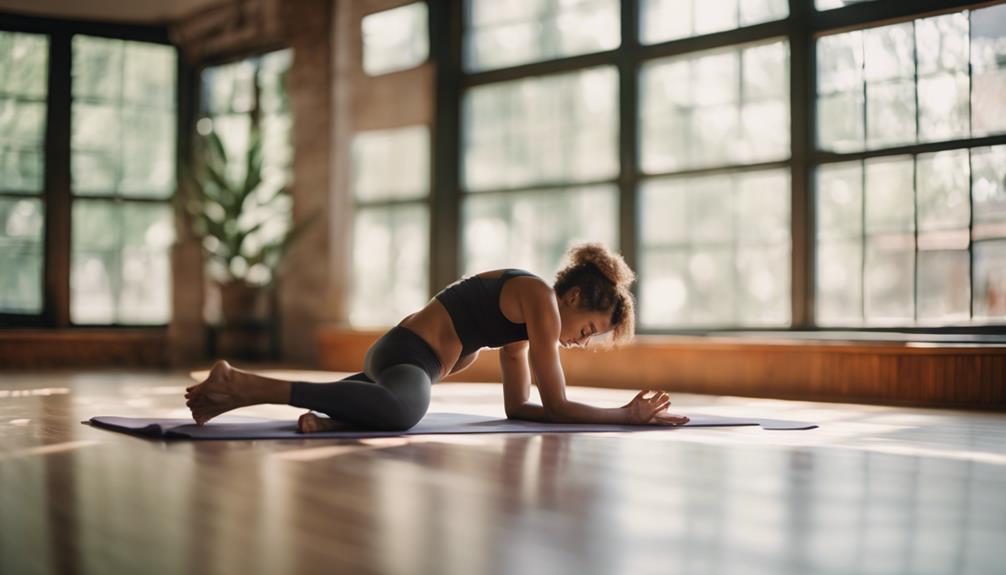
- Child’s pose: Sit back toward your heels and fold forward, using a cushion under the torso if needed.
- Seated forward fold: Extend the legs comfortably and lean forward only as far as you can without straining.
- Supported twist: Lie down or sit upright and rotate gently, keeping the movement easy rather than forcing a deeper range.
- Legs up the wall: Rest with your legs supported by a wall or on a chair, adjusting the position to remain comfortable.
- Supported resting pose: Lie on your back with cushions beneath the knees and allow the arms to relax by your sides.
Stay for several relaxed breaths in each position. If a pose causes pain, dizziness, numbness, or increased anxiety, come out of it and choose a more neutral position. A mobile yoga practice can make stress-relieving routines easier to follow consistently at home.
A short yoga routine for a stressful day
You do not need a long class to make yoga part of your routine. Try this five- to fifteen-minute practice:
- Sit or lie down and notice your natural breathing for one minute.
- Roll the shoulders slowly and stretch the neck without pulling on it.
- Move through gentle seated or standing side stretches.
- Practice a few slow forward folds or a supported child’s pose.
- Finish lying down or sitting quietly, allowing the breath to return to its natural rhythm.
Let the exhalation be slightly longer than the inhalation if that feels comfortable. Avoid turning breathing into a performance; smooth, easy breaths are more important than taking very large ones.
Making the practice sustainable
Consistency is usually more realistic than occasional, demanding sessions. Choose a regular time, keep equipment simple, and set a small initial goal. A few minutes after waking, during a work break, or before bed may be easier to maintain than an ambitious schedule.
Pay attention to how different practices affect you. Some people feel calmer after stillness, while others need gentle movement before they can relax. Keeping brief notes about your mood, sleep, and muscle tension can help you identify what works best.
Yoga, chronic stress, and anxiety
When stress is persistent, yoga can support self-awareness and relaxation, but it should not replace appropriate medical or mental health care. People living with significant anxiety, trauma-related symptoms, or ongoing sleep problems may benefit from working with a qualified professional and choosing a teacher who understands how to offer options without pressure.
Use yoga as one part of a wider plan that may include restorative sleep, regular meals, supportive relationships, time outdoors, and professional guidance when needed. The goal is not to eliminate every stressful feeling. It is to develop practical ways to notice tension, regulate your response, and return to balance more often.