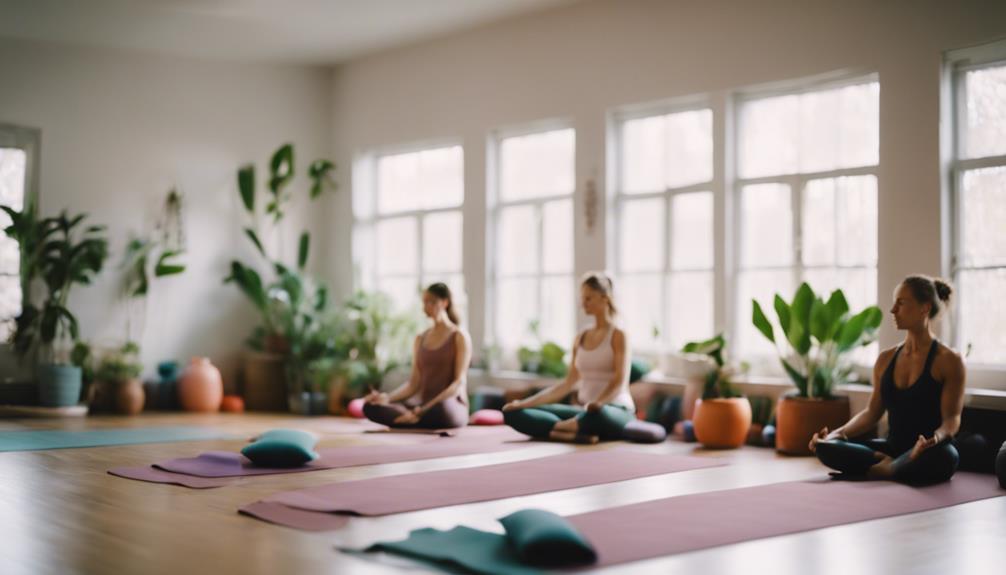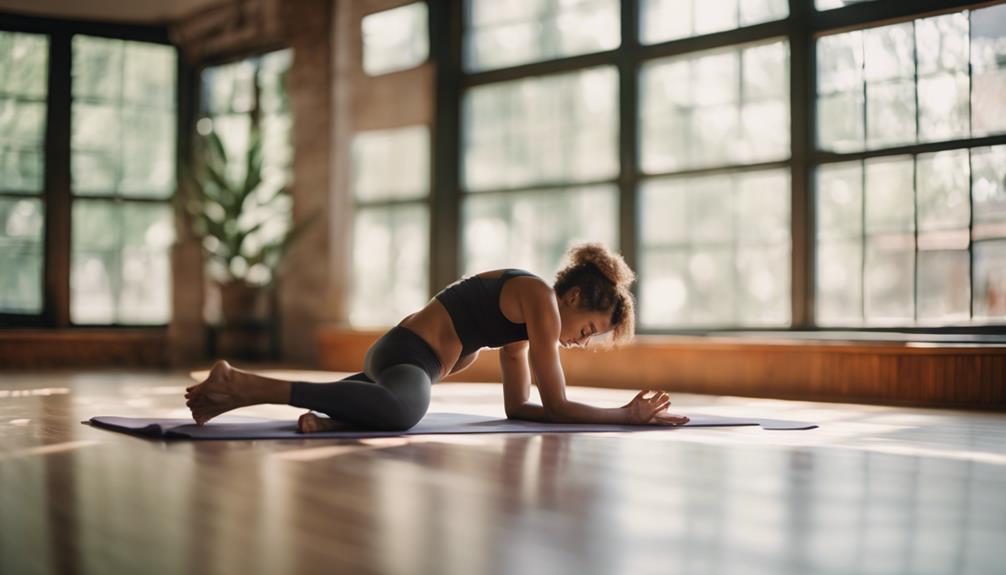
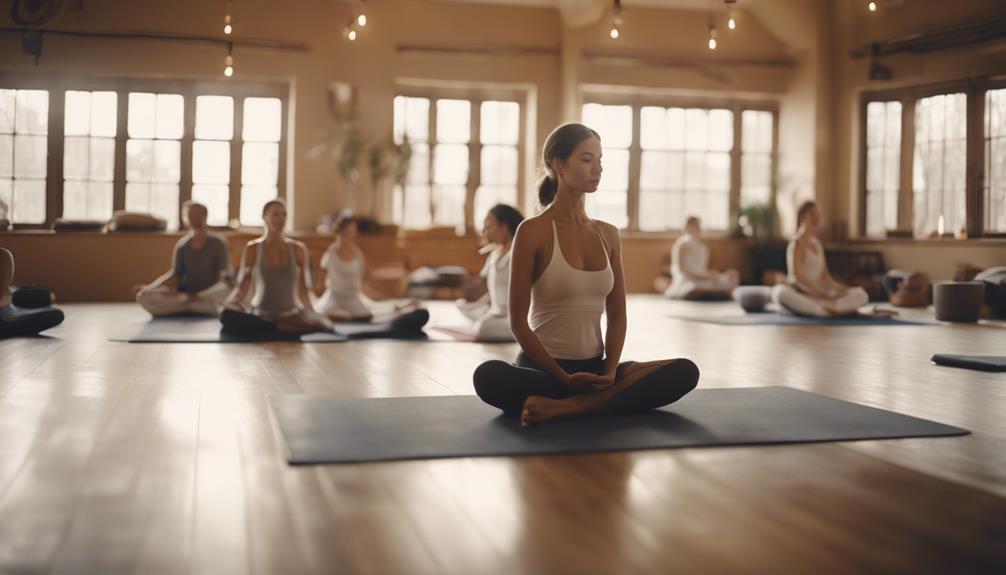
A gentle yoga practice can help many people manage back stiffness, improve movement, and build greater awareness of posture. The most useful approach is not to force the spine into deep stretches, but to combine controlled mobility, light strengthening, hip movement, and relaxed breathing. Exploring broader health benefits of yoga can complement these poses and support overall wellness beyond back care.
Yoga is not appropriate for every back problem, and it should not replace medical care. If you have a diagnosed condition, persistent pain, or symptoms that travel into the legs, seek advice from a qualified healthcare professional before beginning or changing your practice.
How yoga may support back health
Back discomfort can be affected by prolonged sitting, limited hip mobility, muscular weakness, stress, and habits that encourage poor posture. Yoga addresses several of these factors at once. Slow movement can reduce stiffness, while strengthening poses develop support through the abdomen, hips, glutes, and back. Coordinating movement with steady breathing may also reduce tension and help you notice when you are bracing or moving beyond a comfortable range.
Consistency matters more than intensity. A short, comfortable routine performed regularly is generally more useful than an occasional session that leaves the back irritated.
Gentle yoga poses for back relief
Cat–Cow
Begin on your hands and knees with your hands beneath your shoulders and knees beneath your hips. As you inhale, gently lengthen the front of the body; as you exhale, round the spine comfortably. Move slowly and let the motion come from the whole spine rather than forcing the neck or lower back. Repeat for several relaxed cycles.
Child’s Pose
From hands and knees, lower your hips toward your heels and extend your arms forward, or rest them alongside your body. Use a cushion or bolster beneath the torso if reaching the floor is uncomfortable. Keep the pose easy, with no pulling or compression in the lower back, and breathe steadily.
Supine Knee Hug
Lie on your back with both knees bent. Bring one or both knees toward the chest only as far as feels comfortable, keeping the shoulders relaxed. This position can gently move the hips and lower back without requiring weight-bearing. Avoid pulling aggressively on the legs.
Reclined Pigeon Variation
Lie on your back and place one ankle across the opposite thigh. Hold behind the supporting thigh and draw the legs toward you until you feel a mild stretch around the outer hip. Keep the head and shoulders relaxed. If the stretch becomes sharp or travels into the leg, release the position.
Poses for lower-back strength and mobility
Sphinx Pose
Lie on your stomach and rest on your forearms, with the elbows under or slightly in front of the shoulders. Gently lift through the chest while keeping the pelvis grounded and the lower back relaxed. Stay for a few breaths, then lower down. Sphinx is often a more manageable starting point than a deeper backbend. Explore full-body yoga benefits alongside back-focused poses to support mobility, strength, and overall physical wellness.
Low Cobra
Place your hands beside the ribs and lift the chest a small amount using the back muscles rather than pushing strongly into the hands. Keep the elbows close to the body and stop before the lower back feels compressed. A small lift is enough; height is not the goal.
Bridge Pose
Lie on your back with your feet on the floor and knees bent. Press through the feet, gently engage the glutes, and lift the hips only as high as you can without straining. Keep the knees tracking in line with the feet. Lower slowly and rest between repetitions.
Supported Supine Twist
With your knees bent while lying on your back, allow both knees to move to one side. Use a cushion beneath the knees if they do not comfortably reach the floor. Keep both shoulders relaxed and return to center before changing sides. The movement should feel like a mild rotation, not a forceful twist.
Building a simple routine
A five- to twenty-minute sequence can include:
- Several breaths in a comfortable seated or lying position
- Slow Cat–Cow movements to warm the spine
- Child’s Pose or Supine Knee Hug for gentle release
- Sphinx or Low Cobra for controlled extension
- Bridge Pose for hip and posterior-chain strength
- A supported Supine Twist followed by quiet breathing
Move gradually between poses and pause whenever you need to assess how your back feels. You can use cushions, blocks, or a bolster to reduce strain and make positions more accessible.
Practice safely
Stretching should feel mild to moderate, never sharp, electric, or increasingly painful. Stop if symptoms worsen, or if you notice unusual numbness, tingling, or weakness. Avoid forcing deep forward folds, twists, or backbends during a flare-up. A qualified yoga teacher or healthcare professional can help adapt poses for concerns such as sciatica, disc problems, or significant loss of mobility.
Used thoughtfully, yoga can be one part of a broader approach to back care. Focus on calm breathing, controlled movement, and gradual progress rather than trying to achieve a particular pose.