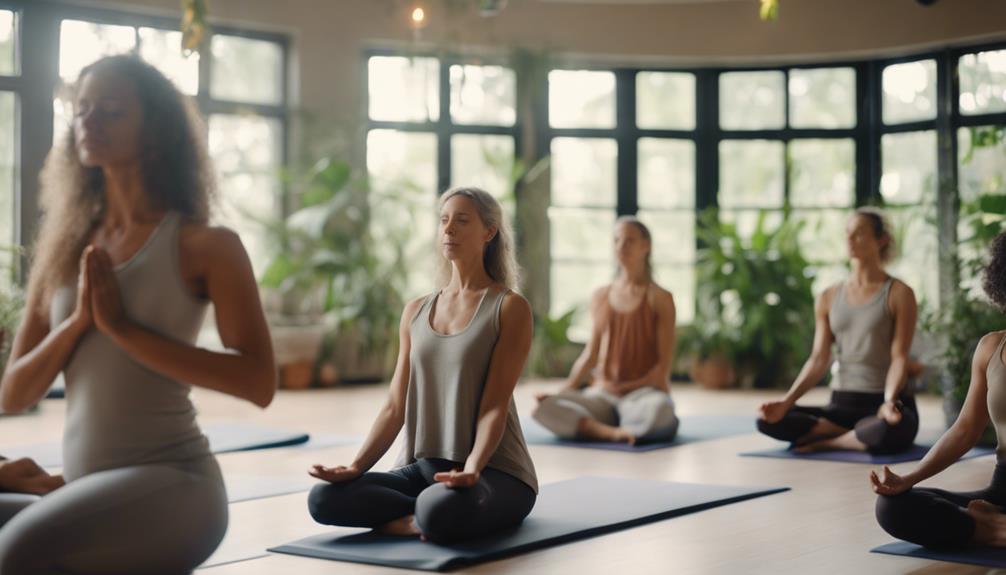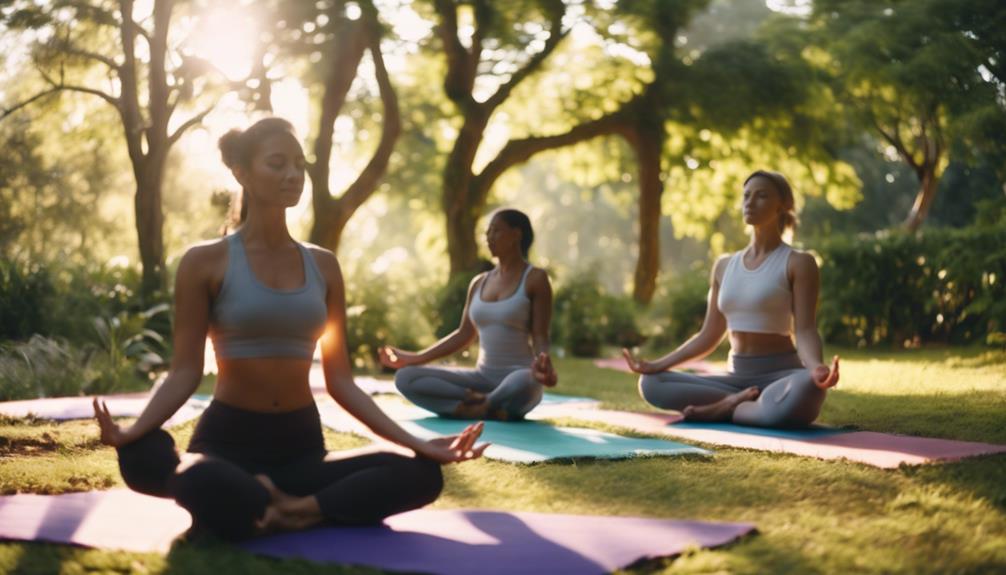
A yoga retreat offers more than a change of scenery. It creates dedicated time to step away from daily responsibilities, give attention to your body and mind, and reconnect with practices that support a greater sense of balance. Whether you are new to yoga or have maintained a regular practice for years, the right retreat can provide space for reflection, learning, rest, and personal renewal.
What Makes a Yoga Retreat Different?
At home, yoga is often fitted around work, family commitments, errands, and screens. A retreat changes that pattern by placing the practice at the centre of your schedule. With fewer ordinary distractions, you may have more opportunity to notice how you move, breathe, think, and respond to stress.
Most retreats combine yoga with some combination of meditation, mindfulness, quiet time, nourishing meals, or opportunities to spend time outdoors. The purpose is not simply to complete more classes. It is to create a supportive setting in which you can slow down and consider what you need physically, mentally, and emotionally.
Potential Benefits of the Experience
A retreat can deepen your understanding of yoga by giving you time to explore movement and breath without rushing from one obligation to the next. You may be able to ask questions, try variations, or develop a more attentive approach to familiar poses. Beginners can gain a clear introduction to the practice, while experienced students may appreciate the chance to examine habits and refine their technique.
The benefits do not have to be limited to the yoga sessions themselves. A retreat can also encourage you to:
- Pause and recover from a demanding routine.
- Pay closer attention to physical tension, energy levels, and rest.
- Practise mindfulness in ordinary activities such as eating, walking, or being quiet.
- Reflect on priorities, boundaries, and routines that may need to change.
- Return home with practical ideas for continuing self-care.
These outcomes are not guaranteed, and a retreat is not a replacement for professional medical or mental-health support. It is better understood as a period of intentional practice and reflection. The value often comes from the attention you bring to the experience, not from trying to achieve a particular transformation.
Choosing a Retreat That Fits You
There is no single ideal retreat for everyone. Before booking, clarify what you hope to gain. You may be looking for rest, a stronger physical practice, meditation, personal reflection, or simply time away from familiar demands. Knowing your purpose makes it easier to compare different programmes.
Consider the teaching style
Retreats may focus on different approaches to yoga and may vary in pace and intensity. Check how many sessions are offered each day, whether modifications are available, and whether the programme welcomes beginners. If you already practise a particular style, confirm that it is included rather than assuming every retreat will offer the same approach.
Review the setting and schedule
The environment can strongly influence your experience. Some people prefer a quiet rural setting, while others are drawn to a coastal location or a structured centre. Look carefully at the daily timetable. A programme packed with classes and activities may suit someone seeking momentum, but a schedule with generous free time may be more appropriate if rest is your main goal.
Check practical details
Compare what the price includes, such as accommodation, meals, classes, and additional activities. Ask about dietary requirements, room arrangements, transport, cancellation terms, and any extra costs. It is also sensible to confirm what equipment is provided and whether the venue can accommodate mobility or other accessibility needs.
Research the teachers and programme
Read the retreat description carefully and look for clear information about the instructors’ training and experience. Reviews from previous participants can help you understand the atmosphere, organisation, and level of support, although personal preferences will differ. If important information is missing, contact the organisers before making a commitment.
Making the Most of Your Retreat
Arrive with realistic expectations. You do not need to perform advanced poses, solve every problem, or fill every quiet moment with activity. Listen to your body, take breaks when necessary, and allow your experience to unfold at its own pace. Keeping a journal, limiting unnecessary screen time, or setting a simple intention can help you stay present.
When the retreat ends, consider how to carry one small element into daily life. That might be a short breathing practice, a regular class, a quieter morning routine, or a clearer commitment to rest. A yoga retreat can offer valuable perspective, but its lasting impact is often shaped by the habits you choose to continue after returning home.