Yoga can be a useful part of a weight-loss routine because it combines movement, strength, balance, breathing, and mindfulness. It is not a quick fix, but consistent practice may help you become more active, manage stress, improve body awareness, and make more mindful choices around food and daily habits.
The most useful poses for this goal are not necessarily the most advanced ones. A balanced practice can include standing postures that challenge the legs, core-strengthening poses, and restorative movements that help you recover and stay consistent.
How yoga can support weight management
Yoga contributes to a healthier routine in several ways:
- Strength and stability: Weight-bearing poses engage the legs, arms, shoulders, and core.
- Mindful eating: Greater awareness of the body can make it easier to notice hunger, fullness, and habitual eating patterns.
- Stress management: Breathing and relaxation techniques may help reduce stress-related habits.
- Flexibility and mobility: Regular movement can support comfortable participation in other forms of exercise.
- Better recovery: Calming practices may help create a more relaxing bedtime routine and improve overall well-being.
Effective yoga poses for weight loss
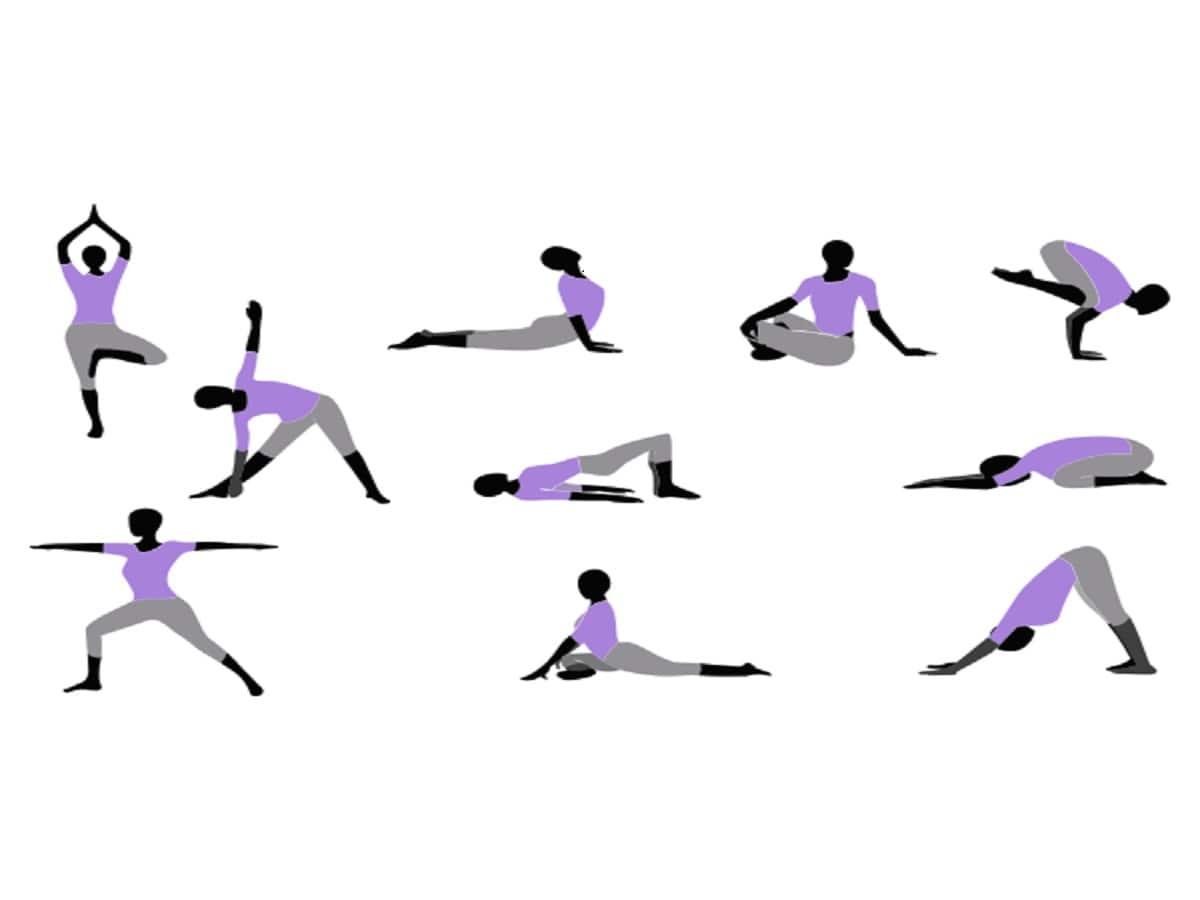
1. Warrior II (Virabhadrasana II)
Stand with your feet wide apart and turn one foot outward. Bend the front knee while keeping it aligned over the ankle, extend both arms, and keep your torso upright. Hold the pose while breathing steadily, then repeat on the other side.
Warrior II builds endurance in the legs, challenges balance, and opens the hips. To make it more active, move smoothly between both sides rather than holding one position for a long time.
2. Plank Pose (Kumbhakasana)
Begin on your hands and knees, then step your feet back so your body forms a long line from your head to your heels. Press the floor away, keep your hips level, and engage your abdomen. Hold only as long as you can maintain good form.
Plank strengthens the core, arms, shoulders, and legs. Beginners can lower their knees to the floor while keeping the spine extended.
3. Boat Pose (Navasana)
Sit with your knees bent and feet on the floor. Lean back slightly, lift your feet if comfortable, and extend your arms forward. Keep your chest open rather than collapsing through the back. You can keep the knees bent or place your toes down for support.
This pose develops core strength and concentration. Avoid straining your lower back; reduce the lift or return your feet to the floor whenever necessary.
4. Bridge Pose (Setu Bandhasana)
Lie on your back with your knees bent and feet planted. Press through your feet to lift your hips, keeping your knees pointing forward. Hold for several breaths, then lower slowly.
Bridge Pose works the glutes and legs, opens the front of the body, and provides a strengthening counterpoint to forward-flexed sitting positions.
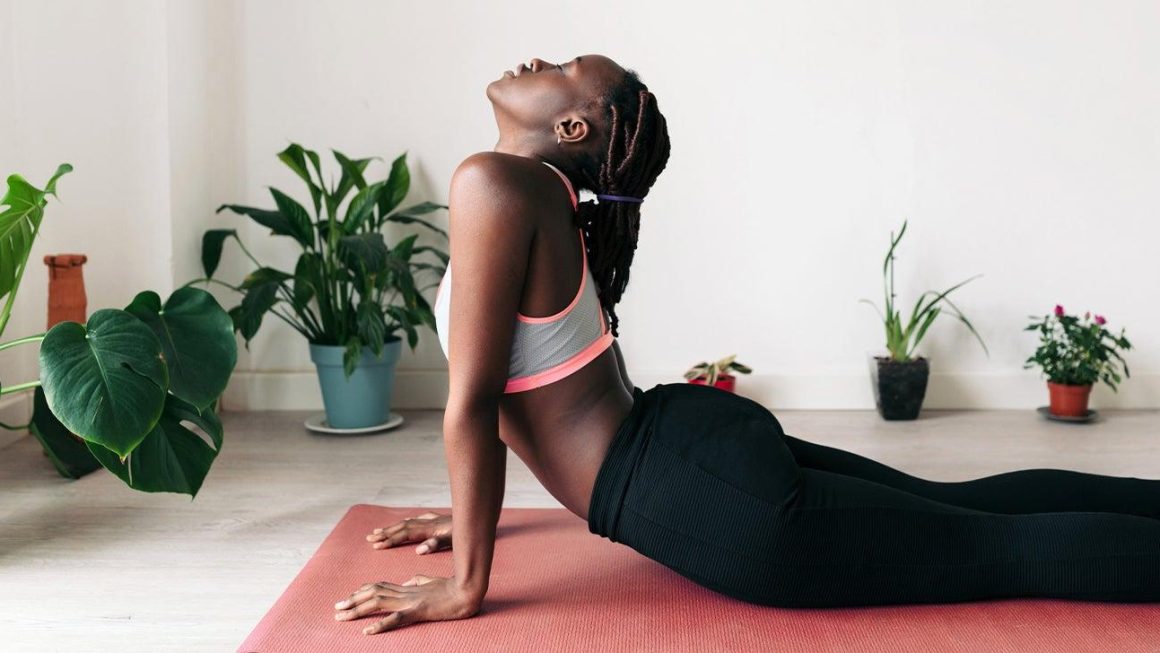
5. Cobra Pose (Bhujangasana)
Lie on your stomach with your hands beneath or slightly outside your shoulders. Press lightly into the hands and lift the chest only as far as feels comfortable, keeping the shoulders away from the ears. Avoid forcing the lower back.
Cobra can strengthen the back and open the chest. It is best used as part of a larger routine rather than as a high-intensity movement on its own.
A simple yoga routine
After a few minutes of gentle movement, try this sequence:
- Warrior II on both sides
- Plank Pose, using the knees-down option if needed
- Boat Pose with bent knees
- Bridge Pose
- Cobra Pose
- Child’s Pose or another comfortable resting position
Move slowly and repeat the sequence according to your fitness level. Three or four regular sessions each week can help establish consistency. For broader fitness, combine yoga with other enjoyable activities such as walking or aerobic exercise, and support your routine with nourishing meals and adequate rest.
Safety and practice tips
- Warm up before demanding poses and stop if you feel sharp pain, dizziness, or unusual discomfort.
- Focus on controlled breathing and alignment instead of trying to copy an advanced pose.
- Use a wall, block, or chair for balance when necessary.
- Increase duration and difficulty gradually.
- If you are pregnant, recovering from an injury, or managing a health condition, seek advice from an appropriate healthcare professional or qualified yoga teacher before starting.
Making yoga part of a realistic goal
Relaxing poses such as Child’s Pose and Reclined Bound Angle Pose may not feel strenuous, but they still have a place in a complete practice because recovery and stress management can support long-term consistency. The aim is not to avoid gentle yoga; it is to combine restorative work with poses that challenge strength, balance, and endurance.
With regular practice, yoga can support a more active lifestyle and a stronger mind-body connection. Choose a pace you can maintain, listen to your body, and treat weight loss as one part of broader physical and mental well-being.