Yoga workshops and events offer a different kind of learning environment from a regular class. With more time for explanation, questions, practice, and reflection, they give participants an opportunity to explore a particular aspect of yoga in greater depth. Some focus on movement and technique, while others combine yoga with meditation, breathwork, philosophy, or community activities.
The right event can help you understand your practice more clearly, discover useful adaptations, and connect with people who share your interests. For teachers and organisers, a well-planned workshop can provide focused education while creating a welcoming experience for a diverse group of participants.
What makes a yoga workshop different?
A standard class usually follows a complete sequence within a limited time. A workshop can slow the process down. The teacher may break down a posture, explain relevant principles, demonstrate variations, and allow participants to test different approaches. This format is particularly useful when the subject requires patience and detail.
Workshops may also support reflection beyond physical technique. A session on mindfulness, breathing, or yoga philosophy can encourage participants to consider how these practices fit into everyday life. Longer events create additional space for conversation and shared learning, which can help build a stronger sense of community.
Types of yoga workshops and events
Choosing the format that matches your goals is easier when you understand the range of options available. Common examples include:
- Technique workshops: Focus on areas such as alignment, balance, backbends, twists, mobility, or transitions. These sessions often include progressions and alternatives.
- Beginner workshops: Introduce foundational postures, breathing practices, and class terminology in a slower, more explanatory setting.
- Restorative and meditation events: Emphasise relaxation, stillness, breath awareness, and gentle practices.
- Themed wellbeing sessions: Combine yoga with complementary activities such as guided meditation, journaling, music, or breathwork.
- Teacher trainings and intensives: Provide more structured study for people developing teaching knowledge or deepening their personal education.
- Community events and festivals: Bring people together through classes, discussions, demonstrations, and accessible activities.
Descriptions vary considerably, so read the event information carefully rather than choosing based only on its title.
How to choose the right event
Start by identifying what you want from the experience. You might be looking for a stronger foundation, help with a specific area of practice, a quieter restorative session, or an opportunity to meet other practitioners. Your aim should guide the level and format you select.
Before booking, check the following details:
- Whether the session is suitable for beginners, experienced practitioners, or teachers
- Any stated prerequisites or physical demands
- The length of the event and the amount of active practice involved
- The teacher’s approach to options, props, demonstrations, and hands-on adjustments
- What equipment is supplied and what you need to bring
- Accessibility information, including entrances, restrooms, seating, and pricing options
If you have an injury, health concern, or uncertainty about whether a session is appropriate for you, contact the organiser before attending. During the event, treat modifications and rest as valid parts of practice rather than signs that you are falling behind.
Preparing for a workshop or event
Preparation does not need to be complicated. Read the joining instructions, plan enough travel time, and wear clothing that allows comfortable movement. Bring water and any personal props you regularly use, such as blocks, a strap, or a cushion. Unless the organiser advises otherwise, a light meal before practice may be more comfortable than arriving either very hungry or overly full.
It can also help to arrive with one or two questions in mind. During the workshop, listen for useful cues and progressions, and make notes if the format allows. Ask for clarification when something is unclear. A workshop is a learning environment, not a test, and active participation includes communicating what you need.
Afterward, allow time to absorb the material. You may want to write down key points, practise one or two accessible techniques at home, or simply rest before returning to a demanding routine.
Planning a successful yoga workshop
For organisers, a strong event begins with a specific purpose. Define what participants should learn, experience, or take away, then build the schedule around that goal. A coherent structure might include an introduction, explanation, demonstration, guided practice, questions, and a period for reflection or rest.
Support the participant experience
Clear communication reduces uncertainty. Share the level, schedule, location, accessibility details, suggested clothing, equipment list, cancellation terms, and any relevant health or participation guidance before registration. On the day, make arrival straightforward and ensure participants know where to find water, restrooms, changing areas, and support.
Safety should be reflected in both the teaching and the organisation. Offer choices instead of presenting one posture as correct for everyone, avoid pressuring people into movements, and make consent clear before any physical adjustment. If guest teachers, musicians, or other practitioners are involved, their roles and responsibilities should also be well defined.
Building an inclusive event
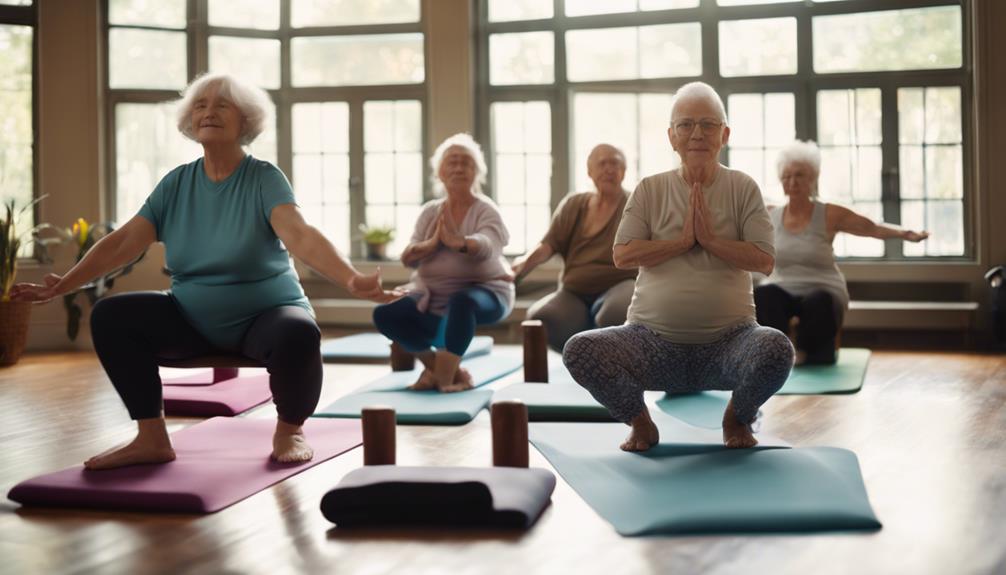
Inclusive yoga is shaped by practical decisions as much as welcoming language. Use props and variations to support different bodies and abilities, provide seated or low-movement alternatives where appropriate, and make space for participants to pause. Check that the venue can accommodate mobility needs and communicate honestly about any limitations.
Accessible pricing, sliding-scale places, or community-supported attendance may help broaden participation when an organiser can offer them. Most importantly, create an atmosphere based on respect, choice, and consent. When people feel able to participate in a way that suits them, workshops become more useful, sustainable, and connected.
Related Guides
- Best Retreats For Women
- Bufo Retreat Near Me
- Day Retreat Near Me
- Health And Wellness Retreats Near Me
- India Yoga And Meditation Retreats
- Ladies Retreat Near Me
- Meditation Weekend
- Month Long Wellness Retreat
- New Years Eve Retreats
- Pennsylvania Meditation Retreat
- Pilates Retreat North East
- Retreat Centers In New England
- Retreat Websites
- Self Help Retreats
- Silent Yoga Retreat Near Me
- Solo Retreats Near Me
- Spiritual Retreats For Singles Near Me
- Spiritual Retreats In Himalayas
- Spiritual Retreats Nyc
- Spiritual Weekend
- Wellness Retreat Massachusetts
- Yoga Meditation Retreat Usa
- Yoga Retreat April
- Yoga Retreat Pennsylvania